





Smart lifts
The global smart elevators market is set to grow from its current market value of more than US$11bn to over US$25bn by 2025.
Increasing customer spending in constructing technically-advanced and intelligent structures, facilitating high comfort and safety features is driving the smart elevators market. The integration of connectivity technology and internet features into lifts is a key ongoing trend, which offers enhanced security, energy efficiency, and alerts related to repair schedules. The intuitive technologies integrated into new lifts such as connectivity and smart grouping will reduce the waiting and traveling time and improve the overall commuter experience, increasing their demand in intelligent buildings. The industry is also witnessing the adoption of cable-free lifts that can move vertically and horizontally.
Modernisation of the lift systems in existing buildings is resulting in a steady demand in the smart elevators market due to infrastructure transformation initiatives in countries including the US, China, etc. The modernisation services and solutions offered by companies such as Kone and Otis include modular modernisation and full elevator replacement in the smart elevator market. In modernisation, the service providers offer electrification, hoisting, car modernisation and signalisation which enhance the overall lift system and integrate intelligent features. For instance, Otis offers a CompassPlus solution which is installed in the elevator modernisation process and further facilitates security integration, high passenger efficiency, and customised lift design.
The lift maintenance systems in the smart elevators market is experiencing huge demand owing to intelligent features, passenger security and reduced malfunction benefits. These maintenance systems identify issues such as unwanted stops and slow speed and reactivate the elevator functioning in the shortest possible time in case of breakdowns and electricity cuts. The system notifies building authorities immediately and reduces passengers’ stress. Several maintenance systems include a mobile application that allows commuters to call and lift-track using their smartphones. With the help of the application, passengers can receive guidance on the optimal cabin, reducing their waiting time. The integration of remote maintenance systems into intelligent lifts allows building management to reduce energy usage and solve malfunctioning issues in less time.
The North America smart elevators market was valued at over USD 3bn in 2018 and is developing rapidly due to the construction of several high-rise and complex buildings across all sectors. The region is showing a faster adoption due to the presence of technically-aware users and high-spending capacity on intelligent technologies. High government focus on deploying energy-efficient building solutions and reducing overall carbon emissions will also lead to the industry's development. Consumers in the US are moving toward intelligent building automation and management systems to gain safety and time-saving benefits, creating a huge demand. Companies are enhancing their offerings in the North American region to gain a major customer base.
The market comprises few key players, including; Kone Oyj, Thyssenkrupp AG, Schindler Group, Fujitec, Otis Elevator Company, Hyundai Elevator Company, Mitsubishi Elevator and Toshiba Elevators. Major smart elevators market players are investing in new solution development strategies that facilitate enhanced customer comfort and experience. These companies are partnering with other technology providers to offer better elevator-related technologies across the globe.
[edit] Related articles on Designing Buildings Wiki
Featured articles
Check out some of the best features and news from Designing Buildings as well as key stories from around the web.
New and updated CLC building safety guidance.
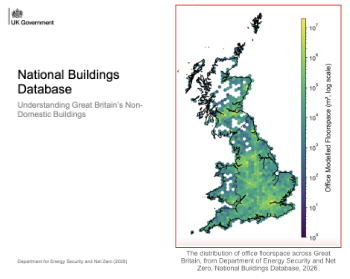
New UK National Buildings Database.
Building Safety Wiki Interviews

Chief executive of the British Woodworking Federation.
Planning condition discharge in England and Wales

A brief explanation from a building compliance expert, with further links.
Overheating guidance and tools for building designers

Guidance for dealing with element of building fabric control that have increasing importance.
Shading for housing, a design guide

From the Good Homes Alliance and British Blind and Shutter Association.
UK Standard Skills Classification (SSC)

A shared framework for describing skills needs.
Social media ban consultation comes to close

CIOB urges UK Government to consider social media’s role in careers guidance in ban debate.
The latest of eight Skills England apprenticeship units

The addition of battery manufacturing welcomed by ECA with a warning about the risks of fast-tracked apprenticeship units.
Building Control Independent Panel final report

A precis of a key report led by Dame Hackitt with full recommendations and link to the government response.
Building Safety recap April, 2026
A short and longer run-through of the month, with links to further information and sources.