





Scissor lift

Scissor lifts are a type of aerial work platform (AWP) or mobile elevated work platform (MEWP), used to provide temporary access at height. They are commonly used for temporary maintenance purposes and to undertake construction work. Charles Larson, of the USA, first patented the scissor lift in 1963, but he did not invent it. It was invented by John W Parker of California.
Unlike some other types of elevated platform, scissor lift platforms can only move vertically, elevated by linked, folding supports in an ‘X’ pattern, known as a pantograph. Pressure is applied to the external side of the lowest set of supports, which elongates the criss-crossing supports and raises the platform.
Scissor lifts are usually diesel-powered. The platform be lowered without using the power system, by releasing the hydraulic or pneumatic pressure.
As there are inherent limits in only being able to move vertically, the platform may be fitted with a section that extends outwards to allow closer access to the required work area.
They are typically fitted with wheels allowing them to be relocated.
[edit] Find out more
[edit] Related articles on Designing Buildings Wiki
- Cherry picker.
- Construction plant.
- Construction tools.
- Forklift truck.
- Hoist.
- Lift table.
- Lifting device.
- Lifting platform.
- Mobile elevating work platforms (MEWPs).
- Post lift.
- Scaffolding.
- Stacker.
- Types of crane.
- Work at height.
- Working platform.
- Working platforms for tracked plant: good practice guide to the design, installation, maintenance and repair of ground-supported working platforms.
Featured articles
Check out some of the best features and news from Designing Buildings as well as key stories from around the web.

The hidden risk in modern construction supply chains.
Construction Management, 10 June

24 months to 14: CITB launches accelerated apprenticeships.
Bridging the gap between clients and contractors

Concerns remain around contractor quality, capability, and delivery.
Construction Management, 10 June.
Heat pumps beat boilers in new home tests.
Building Safety Act implementation in Wales

CIAT to host industry panel on 26 June.
New and updated CLC building safety guidance.
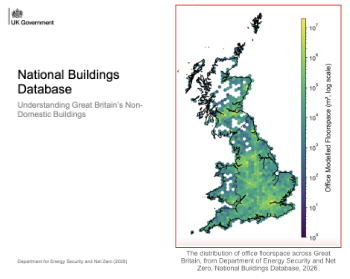
New UK National Buildings Database.
Building Safety Wiki Interviews

Chief executive of the British Woodworking Federation.
Planning condition discharge in England and Wales

A brief explanation from a building compliance expert, with further links.
Overheating guidance and tools for building designers

Guidance for dealing with element of building fabric control that have increasing importance.
Shading for housing, a design guide

From the Good Homes Alliance and British Blind and Shutter Association.