





Schedule of accommodation
A schedule of accommodation is an itemised list of accommodation facilities and provisions required by the end user of a building project. It will usually be developed by the consultant team during the concept design stage. The operational, spatial and locational requirements of the end user should be taken into consideration when compiling the schedule of accommodation.
It may include:
- Room reference number.
- Room location (for example, building name / floor).
- Room name.
- Room type / description.
- Room size (i.e. floor area, and sometimes dimensions, which may include height).
- Number and type of occupants.
- Relationships between rooms and groups of rooms.
- Furniture, fixtures and equipment (FF&E) requirements.
- Environmental conditions required (i.e. temperature range, humidity, air movement, acoustic conditions, lighting levels and so on).
- Total areas.
- Exclusions (such as circulation spaces).
The preparation of a schedule of accommodation helps to determine the minimum space requirements for the building(s), and so the site space requirements necessary to achieve a specific design as proposed by the project brief. It can also help within early cost estimates.
The schedule may be developed based on benchmarking information or accepted space standards (such as the space required per pupil for classrooms, the space per person for theatres and so on) and must take into consideration specific requirements of the building regulations, planning guidance, client policies, health and safety requirements and so on.
Individual room data sheets may also be developed, giving a more detailed description of the finishes, fixtures and fittings, mechanical and electrical requirements that will be required for each room. For more information see: Room data sheet.
Schedules of accommodation may also be prepared or maintained for existing buildings for operational purposes, such as maintenance, space allocation, room booking and so on.
[edit] Find out more
[edit] Related articles on Designing Buildings Wiki
Featured articles
Check out some of the best features and news from Designing Buildings as well as key stories from around the web.
Construction Management, 10 June

24 months to 14: CITB launches accelerated apprenticeships.
Bridging the gap between clients and contractors

Concerns remain around contractor quality, capability, and delivery.
Construction Management, 10 June.

Heat pumps beat boilers in new home tests.
Building Safety Act implementation in Wales

CIAT to host industry panel on 26 June.

New and updated CLC building safety guidance.
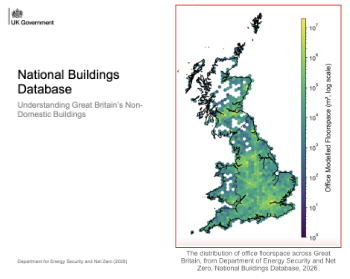
New UK National Buildings Database.
Building Safety Wiki Interviews

Chief executive of the British Woodworking Federation.
Planning condition discharge in England and Wales

A brief explanation from a building compliance expert, with further links.
Overheating guidance and tools for building designers

Guidance for dealing with element of building fabric control that have increasing importance.
Shading for housing, a design guide

From the Good Homes Alliance and British Blind and Shutter Association.
UK Standard Skills Classification (SSC)

A shared framework for describing skills needs.