







Radon protection for new domestic extensions and conservatories with solid concrete ground floors (GG 73 revised)
BRE (Building Research Establishment) is an independent, research-based consultancy, testing and training organisation, operating in the built environment and associated industries.
Radon protection for new domestic extensions and conservatories with solid concrete ground floors (GG 73 revised) was written by Chris Scivyer and published by BRE on 13 January 2015.
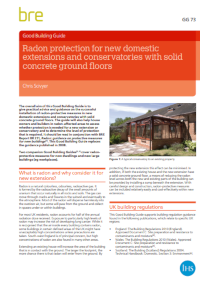
It replaces guidance published in 2008 and should be read in conjunction with BRE Report BR 211, Radon: guidance on protective measures for new buildings. Two companion Good Building Guides cover radon-protective measures for new dwellings and new large buildings such as workplaces.
Radon is a natural, colourless, odourless, radioactive gas formed by the radioactive decay of small amounts of uranium that occur naturally in all rocks and soils. It can move through cracks and fissures in the subsoil and eventually to the atmosphere. Most of this radon will disperse harmlessly into the outdoor air, but some will collect in spaces under or within buildings.
This 8-page Good Building Guide gives practical advice about the installation of radon-protective measures in new domestic extensions and conservatories with solid concrete ground floors. It will also help house owners and builders in radon-affected areas assess whether protection is needed for a new extension or conservatory and determine the level of protection that is required.
The contents of the guide are:
- What is radon and why consider it for new extensions?
- UK building regulations.
- Determining whether radon protection is needed.
- Protective measures-Basic radon protection.
- Radon barriers.
- High water table.
- Fill and blinding.
- Maintaining ventilation to existing suspended ground floors.
- Subfloor depressurisation and sumps.
- References.
- Further reading.
[edit] Find out more.
[edit] Related articles on Designing Buildings Wiki
- BRE articles on Designing Buildings Wiki.
- BRE Buzz articles on Designing Buildings Wiki.
- BRE Buzz.
- BREEAM.
- Building Research Establishment.
- Contaminated land.
- Cover systems for land regeneration - thickness of cover systems for contaminated land (BR465).
- Ground conditions.
- Methane and other gasses from the ground.
- Radon.
- Radon: Guidance on protective measures for new buildings BR 211.
- Radon protection for new dwellings GG 74.
- Radon protection for new large buildings GG 75.
- Radon solutions in older homes GR 38.
- Site appraisal.
- Site investigation.
- Soil survey.
- Solid and liquid contaminants risk assessments.
Featured articles and news
RTPI leader to become new CIOB Chief Executive Officer

Dr Victoria Hills MRTPI, FICE to take over after Caroline Gumble’s departure.
Social and affordable housing, a long term plan for delivery
The “Delivering a Decade of Renewal for Social and Affordable Housing” strategy sets out future path.
A change to adoptive architecture
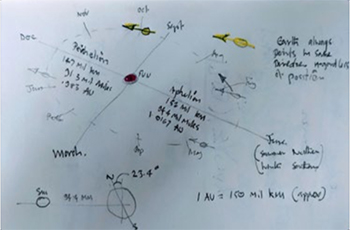
Effects of global weather warming on architectural detailing, material choice and human interaction.

The proposed publicly owned and backed subsidiary of Homes England, to facilitate new homes.

How big is the problem and what can we do to mitigate the effects?
Overheating guidance and tools for building designers

A number of cool guides to help with the heat.
The UK's Modern Industrial Strategy: A 10 year plan
Previous consultation criticism, current key elements and general support with some persisting reservations.
Building Safety Regulator reforms
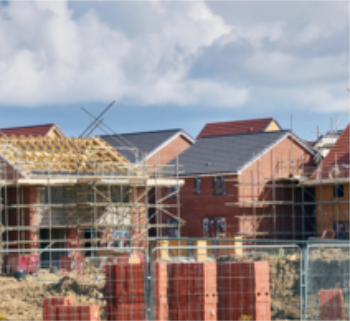
New roles, new staff and a new fast track service pave the way for a single construction regulator.
Architectural Technologist CPDs and Communications
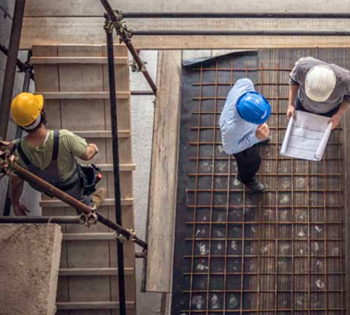
CIAT CPD… and how you can do it!
Cooling centres and cool spaces
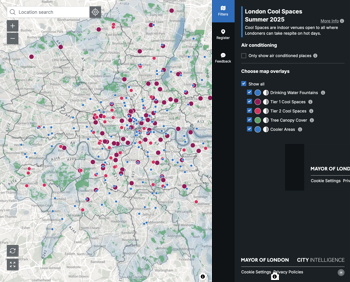
Managing extreme heat in cities by directing the public to places for heat stress relief and water sources.
Winter gardens: A brief history and warm variations

Extending the season with glass in different forms and terms.
Restoring Great Yarmouth's Winter Gardens

Transforming one of the least sustainable constructions imaginable.
Construction Skills Mission Board launch sector drive

Newly formed government and industry collaboration set strategy for recruiting an additional 100,000 construction workers a year.
New Architects Code comes into effect in September 2025
ARB Architects Code of Conduct and Practice available with ongoing consultation regarding guidance.
Welsh Skills Body (Medr) launches ambitious plan

The new skills body brings together funding and regulation of tertiary education and research for the devolved nation.
Paul Gandy FCIOB announced as next CIOB President

Former Tilbury Douglas CEO takes helm.
UK Infrastructure: A 10 Year Strategy. In brief with reactions
With the National Infrastructure and Service Transformation Authority (NISTA).