





Project-based funding
Project-based funding (sometimes referred to as project-based finance or project-based lending PBL), is a system of financing a project in which the financial security is provided by the property being acquired or developed itself. This can be an important source of funding for smaller development companies who may not have much security to offer.
Project-based funding can allow them to borrow money on the strength of the development. Larger or better-established companies may be able to borrow on the strength of their market position rather than the security offered by individual projects.
Project-based funding may also used as a way of financing large, infrastructure and industrial projects, based on the projected cash flow of the finished project. In this case, finance structures may involve a syndicate of banks and/or equity investors who provide the project with loans. In the UK, this sort of project-based funding has been carried out under the private finance initiative (PFI) and public private partnership (PPP) systems.
The relationships on large projects can become very complicated, with a range of organisations with different interests to protect. Some of the key parties to project finance may include:
- Private sector partner/owner: The company or limited partnership established to be at the centre of all contracts for the project.
- Project sponsor: The party taking the active role of managing the project, who often has to cover certain project liabilities or risks.
- Lenders: Parties such as commercial and investment banks who may form a syndicate.
- Agent: Appointed from one of the lenders to act on behalf of the others.
- Account bank: Held by a single lender, all money generated by the project will pass through.
- Equity investors: Lenders or sponsors who do not have an active role in the project but are shareholders.
- Suppliers, contractors, customers: Suppliers of materials, contractors involved in the building, and the customers of the project.
- Construction company: Manages the construction of the project.
- Multilateral credit agencies: Ensure the 'bankability' of a project by providing commercial banks with some protection against political risks.
- Host governments/awarding authorities: National governments may be involved in issuing consents for the project.
- Insurers: In the event of an insurable event, sponsors and lenders look to insurers to cover the losses.
[edit] Related articles on Designing Buildings Wiki
- Bridging loan for property.
- Buyer-funded development.
- Construction loan.
- Construction project funding.
- Equity and loan capital.
- Funding options.
- Funding prospectus.
- Mezzanine finance.
- Off-plan property.
- Private Finance Initiative.
- Private sector.
- Property development finance.
- Shared equity / Partnership mortgage.
- Shared ownership.
- Speculative construction.
- Types of development.
Featured articles and news
Costs and insolvencies mount for SMEs, despite growth

Construction sector under insolvency and wage bill pressure in part linked to National Insurance, says report.
The place for vitrified clay pipes in modern infrastructure
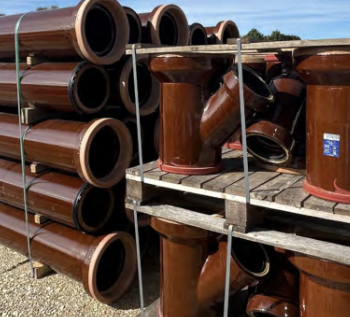
Why vitrified clay pipes are reclaiming their role in built projects.

Research by construction PR consultancy LMC published.
Roles and responsibilities of domestic clients

ACA Safety in Construction guide for domestic clients.
Fire door compliance in UK commercial buildings

Architect and manufacturer gives their low down.
Plumbing and heating for sustainability in new properties

Technical Engineer runs through changes in regulations, innovations in materials, and product systems.
Awareness of the Carbon Border Adjustment Mechanism
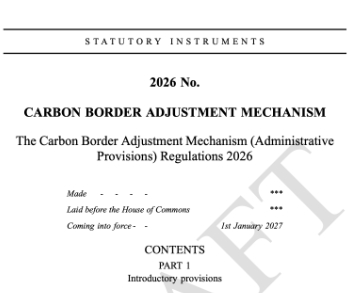
What CBAM is and what to do about it.
The new towns and strategic environmental assessments
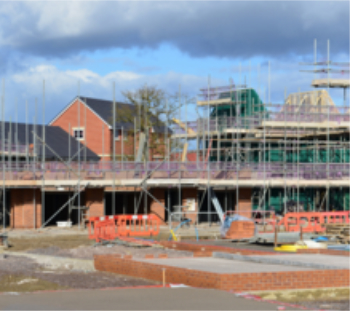
12 locations of the New Towns Taskforce reduced to 7 within the new towns draft programme and open consultation.

Buildings that changed the future of architecture. Book review.
The Sustainability Pathfinder© Handbook
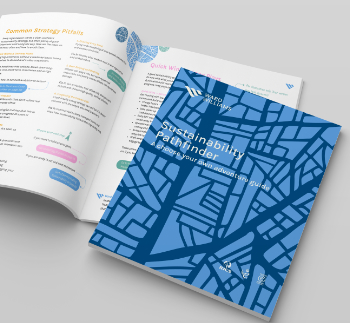
Built environment agency launches free Pathfinder© tool to help businesses progress sustainability strategies.
Government outcome to the late payment consultation, ECA reacts.
IHBC 2025 Gus Astley Student Award winners

Work on the role of hewing in UK historic conservation a win for Jack Parker of Oxford Brookes University.
Future Homes Building Standards and plug-in solar
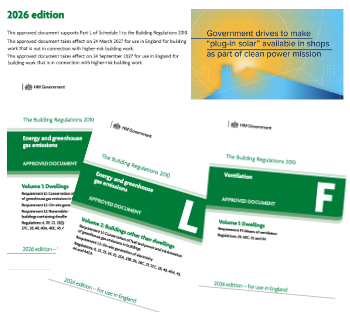
Parts F and L amendments, the availability of solar panels and industry responses.
How later living housing can help solve the housing crisis

Unlocking homes, unlocking lives.
Preparing safety case reports for HRBs under the BSA
A new practical guide to preparing structural inputs for safety cases and safety case reports published by IStructE.
Male construction workers and prostate cancer

CIOB and Prostate Cancer UK encourage awareness of prostate cancer risks, and what to do about it.