





Pre-manufactured value
Pre-manufactured value (PMV) is a measure of the extent of offsite construction used on a project.
A project that is predominantly of traditional construction will have a low PMV, whereas a modular construction project would be likely to have a high PMV.
PMV can be calculated based on aspects of the project such as quantity of material manufactured offsite, percentage by volume of precast components and so on. The Department for Education defines PMV as (materials + offsite labour) / (materials + offsite labour + on site labour). Quantitative approaches such as this require that data is available in a suitable format and in sufficient detail to allow comprehensive calculations to be undertaken.
Alternatively a more qualitative approach can be adopted, describing PMV as high, medium or low.
Ref Methodology for quantifying the benefits of offsite construction, Tercia Jansen van Vuuren, CIRIA C792, 2020.
NB DfMA Overlay to the RIBA Plan of Work, Mainstreaming Design for Manufacture and Assembly in Construction, 2nd Edition, published by the RIBA in 2021, defines pre-manufactured value (PMV) as: ‘A proxy measure of project efficiency calculated as the project’s gross capital cost less the cost of prelims (site overheads) and site labour, divided by the gross capital cost, expressed as a percentage. The business-as-usual benchmark is 40%; anything higher has more of its operations conducted off site.’
PAS 8700:2025, Modern methods of construction for new build residential properties – Specification, Draft v 3.9, published by bsi in 2024, states: ‘The business-as-usual benchmark is 40%; anything higher has more of its operations conducted off site. Although not true in all cases, a higher percentage can lead to a more efficient – and therefore better value – project. Used judiciously in combination with other tools, for example, the Value toolkit, the measure is a useful way of framing project ambitions and monitoring progress.’
Offsite residential construction, Glossary of terms, published by Buildoffsite in 2018, states: ‘Smart construction places great emphasis on work carried out away from the site, known as pre-manufactured value. This results in a major improvement in the efficiency of the construction process, predictability of performance and outcomes, increased speed and greater certainty of project timetable and of project completion.’
[edit] Related articles on Designing Buildings
Featured articles
Check out some of the best features and news from Designing Buildings as well as key stories from around the web.
Industrial heritage in the Ruhr

A marked difference to the fate of industrial landscapes in the UK.

Communities will be able to build their own clean energy.
Why diversity and inclusion matters for SMEs

CIOB’s D&I Charter shows how practical changes can support long-term growth.
Cut electricity bills to power growth

Coalition sends joint letter to the Chancellor.

Gasholders: a history in pictures. Book review.
Recognition, influence and growth

SocEnv identifies three strategic pillars in new strategy to 2045.
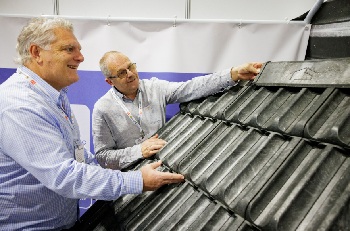
Discover the future of roofing, cladding and insulation.

New guidance for professional practice, cultural change and regulation in social housing.

The heritage of nuclear and conventional power stations.
New measures to stop people being ripped off

Government to protect families from cowboy builders and aggressive bailiffs.

New Futurebuild showcase brings an innovation-first approach.
National Planning Policy Framework
Understanding the 2026 changes.