





Planning constraints
Planning constraints are generally known and published planning policies that might clearly dictate if certain types of developments are acceptable or not in certain areas, such as listed buildings, conservation areas, national parks, areas of outstanding natural beauty (AONBs), greenfield sites, green belt sites and so on.
Known planning constraints are likely to lead simply to a rejection for planning or to certain planning conditions of any future planning application. Whilst planning constraints usually refers to restrictions that are known and published for a certain area, planning conditions rmost likely efers to a specific planning application.
Rather than refusing a planning application, a local authority might grant permission but with certain conditions. These conditions might require additional approvals for specific aspects of a development (such as the colour of materials) or might restrict the use of the site (for example, limiting operating hours).
A planning condition is defined in the National Planning Policy Framework (NPPF) as 'a condition imposed on a grant of planning permission (in accordance with the Town and Country Planning Act 1990) or a condition included in a Local Development Order or Neighbourhood Development Order.'
Planning constraints may impact if a development is likely to be permitted, the types, uses, shape and massing or indeed the types of materials that may be used in a development. Planning constraints may also be associated with known planning policies that are restricted under certain conditions, for example, permitted developments.
Permitted development classes may have planning constraints or restrictions placed on them, particularly in certain areas or building types such as listed buildings, conservation areas, national parks, areas of outstanding natural beauty (AONBs), greenfield sites, and green belt sites. In addition, local authorities are able to remove permitted development rights (PDRs) that are of particular significance given the character of an area by issuing an Article 4 Direction.
There may also be conditions on existing permissions preventing certain types of development. In certain cases, even though a development is permitted, prior approval of some issues might be required from the local authority. Such as specific issues relating to agricultural land, such as the purpose, siting and design of agricultural buildings as well as the construction of a private way, the siting of excavation or deposit or the siting and appearance of tanks. Similar issues arise for land used for the purposes of forestry; the erection of plants, machinery, buildings, or structures on land used as a mine; and the demolition of buildings and siting and appearance of telecommunications masts.
[edit] Related articles on Designing Buildings
- Brownfield Passport.
- Concept design report.
- Construction management: feasibility studies.
- Constrained site.
- Constraints on construction projects.
- Construction site.
- Consultation on proposed reforms to NPPF and other changes to the planning system.
- Deemed discharge of planning conditions.
- Design and access statement.
- Development appraisal.
- Discharge of planning conditions.
- Feasibility studies for construction projects.
- Golden rules for the release of land.
- Grey belt.
- Main statutory considerations and constraints.
- National Planning Policy Framework.
- Planning appeal.
- Planning condition.
- Permitted development.
- Planning enforcement.
- Planning fees.
- Planning objection.
- Planning obligation.
- Planning permission.
- RIBA Plan of Work.
- Site information for design and construction.
- The grey, the brown and the golden rules of housing.
- Traditional contract: feasibility studies.
Featured articles
Check out some of the best features and news from Designing Buildings as well as key stories from around the web.
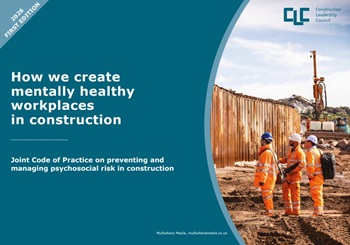
CLC publishes Mental Health Joint Code of Practice.

A quick introduction to its uses and risks.
Construction Management, 17 June

Government rolls out digital planning tool to all local authorities.

Your views needed - a strategy for the professions, trades and occupations.

Confronting competency, codes, capacity and costs.

The hidden risk in modern construction supply chains.
Construction Management, 10 June

24 months to 14: CITB launches accelerated apprenticeships.
Bridging the gap between clients and contractors

Concerns remain around contractor quality, capability, and delivery.
Construction Management, 10 June.

Heat pumps beat boilers in new home tests.
Building Safety Act implementation in Wales

CIAT to host industry panel on 26 June.

New and updated CLC building safety guidance.