





Pathways to qualification with the Chartered Institute of Architectural Technologists (CIAT)
Contents |
[edit] Introduction
The Chartered Institute of Architectural Technologists (CIAT) is the leading global qualifying body for professionals working in architectural technology. This article summarises the membership routes, qualification processes, specialist registers, and professional development opportunities available through CIAT.
[edit] Membership routes
CIAT offers several entry points depending on academic background, experience, and employment status.
- Student membership is free and open to anyone studying full time or part time on a relevant programme, including apprentices. It is designed for those beginning their journey into the discipline.
- Associate membership (ACIAT) is for individuals with a recognised built environment qualification who are employed or seeking employment. It is the typical stepping stone toward Chartered status.
- Affiliate status is for applicants without formal qualifications, or with unrecognised international qualifications.
[edit] Becoming a Chartered Architectural Technologist (MCIAT)
CIAT provides two distinct routes to achieve Chartered status:
[edit] Option 1: MCIAT Professional Assessment
This flexible route is suited to experienced practitioners. Candidates must demonstrate competence across CIAT’s Professional Standards Framework (PSF), which defines the minimum threshold for Chartered status.
The process includes three stages:
- Educational standards.
- Practice standards.
- Professional standards.
Applications must be supported by a qualified built environment professional acting as a referee. After stages 1 and 2 are assessed, candidates undertake a professional assessment Interview, demonstrating professionalism, practical experience, and ethical conduct.
[edit] Option 2: MCIAT POP record (Professional and Occupational Performance record)
This structured, workplace‑based route consists of:
- Self assessment against defined knowledge, performance, and professional standards.
- Supervision and sign off by a qualified built environment professional.
- Assessment by CIAT.
- Completion of a professional practice interview.
[edit] Fellow membership (FCIAT)
Fellowship recognises exceptional achievement or significant contribution to architectural technology. It is an aspirational class of membership available only to chartered members.
[edit] Chartered practice
Chartered architectural technologists who establish a practice may register it as a CIAT Chartered Practice, a protected descriptor under CIAT’s Charter. Only registered practices may use this title.
[edit] Specialisms
CIAT also offers specialist registers for chartered members seeking recognition in specific areas.
- CIAT accredited conservationist: This register identifies professionals competent in the conservation of historic buildings. Assessment includes technical portfolio review and formal interview. Accredited Conservationists are recognised by major heritage bodies such as Historic England and Cadw. From 2021, they are also eligible to act as quinquennial inspectors for church buildings.
- Chartered Environmentalist (CEnv): Through its licence with the Society for the Environment, CIAT can award the CEnv qualification to MCIAT members with relevant environmental expertise. This internationally recognised title is open to applicants worldwide.
You can find out more by reading CIAT's AT Qualifying.
[edit] Related articles on Designing Buildings
Featured articles
Check out some of the best features and news from Designing Buildings as well as key stories from around the web.
Bridging the gap between clients and contractors

Concerns remain around contractor quality, capability, and delivery.
Construction Management, 10 June.

Heat pumps beat boilers in new home tests.
Building Safety Act implementation in Wales

CIAT to host industry panel on 26 June.
New and updated CLC building safety guidance.
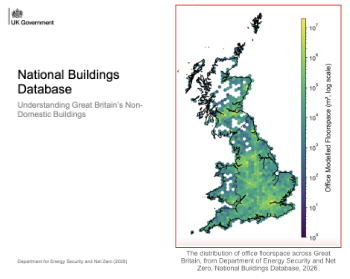
New UK National Buildings Database.
Building Safety Wiki Interviews

Chief executive of the British Woodworking Federation.
Planning condition discharge in England and Wales

A brief explanation from a building compliance expert, with further links.
Overheating guidance and tools for building designers

Guidance for dealing with element of building fabric control that have increasing importance.
Shading for housing, a design guide

From the Good Homes Alliance and British Blind and Shutter Association.
UK Standard Skills Classification (SSC)

A shared framework for describing skills needs.
Social media ban consultation comes to close

CIOB urges UK Government to consider social media’s role in careers guidance in ban debate.