






Over 1 billion lost every year due to false alarms

In August 2019, BRE reported that more than £1 billion is lost every year due to false alarms.
These losses are due largely to the disruption and loss of productivity in businesses. The first research project into the causes of false alarms estimated that each false alarm costs businesses on average around £2.9k. The study provided a useful snapshot of the types of false alarms observed in the field but importantly proposed utilising a specialist fire alarm investigator to gather more reliable and meaningful false alarm data.
This led to another study during which an experienced fire alarm investigator accompanied Scottish Fire and Rescue Service (SFRS) personnel in the Greater Glasgow area between November 2014 and April 2015 attending 65 false alarms and four actual fires. Following analysis of the gathered data by a stakeholder group 35 recommendations were proposed to reduce false alarms, aimed at nine different sectors. Some of those recommendations were for business owners, facilities managers and health and safety managers to modify automatic fire detection systems to reduce the risk.
The recommendations encourage businesses to consider the use of staff alarms and investigation periods prior to calling the Fire and Rescue Service. Some recommendations propose solutions to help businesses, end users and responsible persons to reduce approximately 12.7% of false alarms due to manual call-point (MCP) activations. These propose that in areas where objects might collide with an MCP these should be fitted with side impact or other forms of protection, and MCPs at risk of being triggered accidentally should be fitted with protective covers.
Another of the recommendations proposed research to identify whether multi-sensors could reduce false alarms. This study has been completed and it was demonstrated that multi-sensors showed more resistance to five false alarm tests when compared with smoke detectors.
For full details of the research findings see the links below.
- https://www.bregroup.com/insights/research/causes-of-false-fire-alarms-in-buildings/
- https://www.bregroup.com/projects-reports/live-investigations-of-false-fire-alarms/
- https://www.bregroup.com/insights/research/the-performance-of-multi-sensors-in-fire-and-false-alarm-tests/
This article was originally published by BRE on 1 August.
[edit] Related articles on Designing Buildings Wiki
- BRE articles on Designing Buildings Wiki.
- Carbon monoxide detector.
- Fire detection and alarm system.
- Fire protection engineering.
- Fire.
- Heat alarm.
- Ionisation smoke alarm.
- Live investigations of false fire alarms.
- Multi-sensor alarm.
- New requirements for fire detection and alarm network systems IP 12 13.
- Optical smoke alarm.
- Project SHOUT.
- Smoke alarm.
- The causes of false fire alarms in buildings.
Featured articles and news
Costs and insolvencies mount for SMEs, despite growth

Construction sector under insolvency and wage bill pressure in part linked to National Insurance, says report.
The place for vitrified clay pipes in modern infrastructure
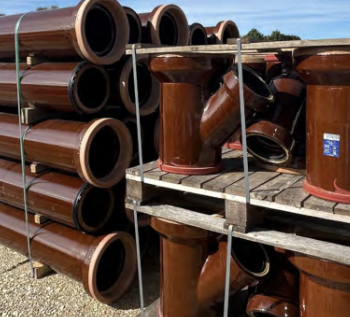
Why vitrified clay pipes are reclaiming their role in built projects.

Research by construction PR consultancy LMC published.
Roles and responsibilities of domestic clients

ACA Safety in Construction guide for domestic clients.
Fire door compliance in UK commercial buildings

Architect and manufacturer gives their low down.
Plumbing and heating for sustainability in new properties
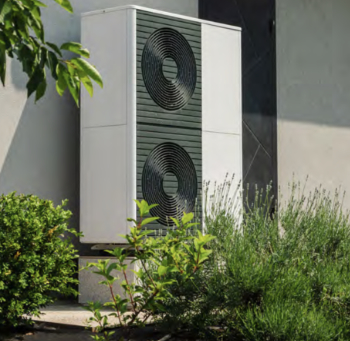
Technical Engineer runs through changes in regulations, innovations in materials, and product systems.
Awareness of the Carbon Border Adjustment Mechanism
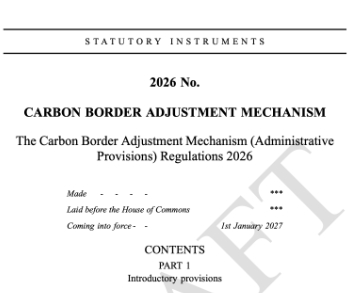
What CBAM is and what to do about it.
The new towns and strategic environmental assessments
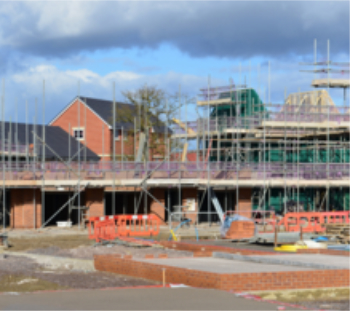
12 locations of the New Towns Taskforce reduced to 7 within the new towns draft programme and open consultation.
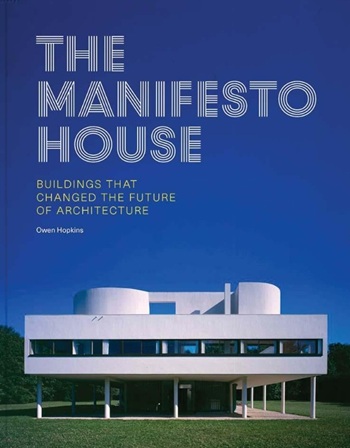
Buildings that changed the future of architecture. Book review.
The Sustainability Pathfinder© Handbook
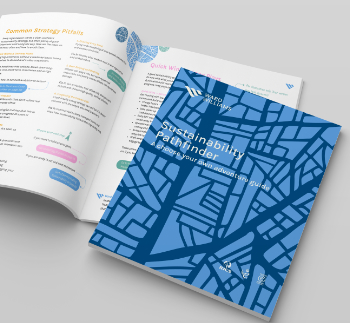
Built environment agency launches free Pathfinder© tool to help businesses progress sustainability strategies.
Government outcome to the late payment consultation, ECA reacts.
IHBC 2025 Gus Astley Student Award winners
Work on the role of hewing in UK historic conservation a win for Jack Parker of Oxford Brookes University.
Future Homes Building Standards and plug-in solar
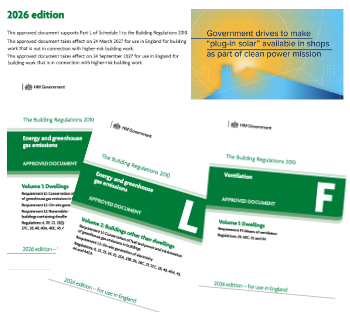
Parts F and L amendments, the availability of solar panels and industry responses.
How later living housing can help solve the housing crisis
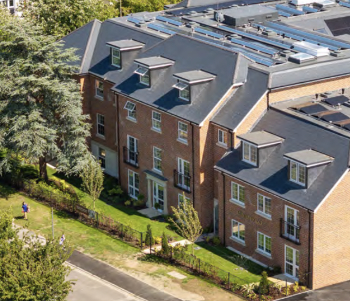
Unlocking homes, unlocking lives.
Preparing safety case reports for HRBs under the BSA
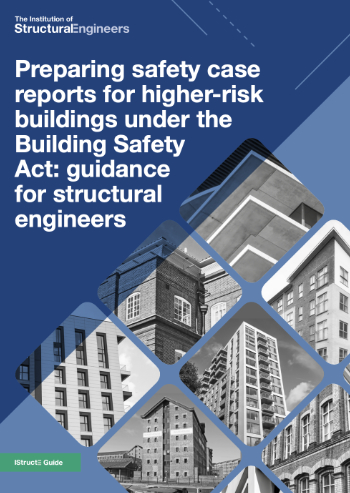
A new practical guide to preparing structural inputs for safety cases and safety case reports published by IStructE.
Male construction workers and prostate cancer

CIOB and Prostate Cancer UK encourage awareness of prostate cancer risks, and what to do about it.