





Non-freezing cold injury NFCI

Contents |
[edit] Introduction
Non-freezing cold injuries, or NFCIs, are injuries that occur when a person is subject to prolonged exposure to cold temperatures that are insufficient to cause freezing. Most cases of NFCI involve the feet, injured hands and other exposed areas of skin. NFCIs may coexist with freezing cold injuries, or FCIs. Both incidents can generally be prevented with proper preparation for outdoor activities in a cold environment. On construction sites, key preventive measures focus on suitable protective clothing.
[edit] Most common NFCIs
There are two primary NFCI conditions that can occur: chilblains and trench foot. In both cases the affected area experiences restricted blood flow due to exposure to cold temperatures and damp conditions.
Chilblains are caused by repeated exposure to the cold and most commonly occur on the face, hands or feet. Exposure results in constriction of the small arteries and veins in the skin. Subsequent re-warming results in leakage from the blood vessels into the tissues, which in turn causes inflammation and swelling of the skin. Chilblains characteristically develop several hours after exposure to cold temperatures and high levels of humidity.
Trench foot (or cold immersion foot or hand) is associated with injuries sustained in wet conditions at non-freezing temperatures. It can occur following protracted immersion in cold water, usually at 0°C to +10°C, which can result in prolonged peripheral vasoconstriction.
[edit] Four stages of NFCI
The four distinct stages of NFCI are:
- During cold exposure. At this stage, temperatures may cause the affected tissue to become cold and numb. The area may appear bright red, but could then fade to a paler colour; in some instances the area may appear almost white.
- Following cold exposure. This stage occurs during a period of warming. The affected area changes colour from white to pale blue and remains cold and numb. Swelling may begin to appear.
- Hyperaemia. This stage can last for an extended period, ranging from two weeks to three months. The affected area becomes swollen with hot, red and dry skin - possibly with the occurrence of blisters - and intense pain may be experienced. In extreme cases, skin may start to become gangrenous.
- Following hyperaemia. Lasting for weeks or possibly years, the final stage of NFCI may persist throughout the person’s life. Physical signs may no longer be apparent, but damaged areas may be permanently sensitive to cold temperatures; in extreme cases, amputation may be necessary.
[edit] Legal considerations associated with NFCIs
UK law does not prescribe maximum or minimum temperatures. Temperatures in the workplace are governed by the Workplace (Health, Safety and Welfare) Regulations 1992, but this simply obliges employers to provide a ‘reasonable’ temperature.
NFCI is one risk associated with exposure to low temperatures. Where thermal conditions mean that the natural measures necessary to regulate internal human temperature begin to fail, this can be described as ‘thermal stress’, such as cold stress. If there is a risk of thermal stress, this must be assessed and managed. In the case of cold stress, this might include conditions that are below 12°C.
Additional legal requirements can be found in:
- The Personal Protective Equipment at Work Regulations 1992 which cover PPE assessments and requirements for cold working conditions.
- Management of Health and Safety at Work Regulations 1999 which cover risk assessments for cold working conditions.
- Construction (Design and Management) Regulations 2015:Temperature and weather protection (S34) provides suggested parameters - including the provision of protective clothing - for reasonable construction site weather-related working conditions both indoors and out.
[edit] Related articles on Designing Buildings
- CDM 2015.
- Cold stress.
- How to work safely on a construction site in winter.
- Management of Health and Safety at Work Regulations 1999.
- Maximum and minimum workplace temperatures.
- The Personal Protective Equipment at Work Regulations 1992.
- Workplace (Health, Safety and Welfare) Regulations 1992.
[edit] External resources
- Ministry of Defence, Synopsis of Causation: Cold Injury by Dr Adrian Roberts.
Featured articles
Check out some of the best features and news from Designing Buildings as well as key stories from around the web.
Bridging the gap between clients and contractors

Concerns remain around contractor quality, capability, and delivery.
Construction Management, 10 June.
Heat pumps beat boilers in new home tests.
Building Safety Act implementation in Wales

CIAT to host industry panel on 26 June.

New and updated CLC building safety guidance.
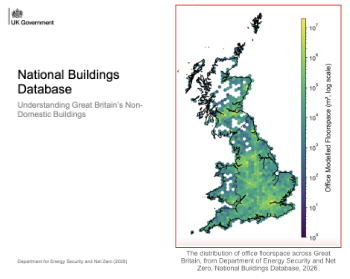
New UK National Buildings Database.
Building Safety Wiki Interviews

Chief executive of the British Woodworking Federation.
Planning condition discharge in England and Wales

A brief explanation from a building compliance expert, with further links.
Overheating guidance and tools for building designers

Guidance for dealing with element of building fabric control that have increasing importance.
Shading for housing, a design guide

From the Good Homes Alliance and British Blind and Shutter Association.
UK Standard Skills Classification (SSC)

A shared framework for describing skills needs.
Social media ban consultation comes to close

CIOB urges UK Government to consider social media’s role in careers guidance in ban debate.