






Measuring fuel poverty
BRE is an independent, research-based consultancy, testing and training organisation, operating in the built environment and associated industries.
On 3 June 2016, BRE published Measuring Fuel Poverty, written by Claire Summers, Jack Hulme and Busola Siyanbola.
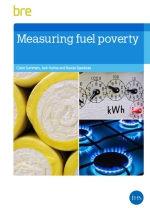
BRE has been measuring fuel poverty on behalf of the UK government since the 1990s. The new publication describes the origins and development of the fuel poverty concept, its measurement in the UK, and how it is used to help target those households most at risk of being unable to heat their homes.
The concept considers that households in fuel poverty may be placing themselves at risk by not heating their homes to sufficiently to prevent ill health. To assist these households, it is first necessary to identify them.
The two main measures of fuel poverty are the 10% definition and the Hills Low Income High costs (LIHC) definition.
- The 10% definition identifies fuel-poor households as those that would be required to spend more than 10% of their household income on fuel in order to meet a specified heating regime.
- The Hills LIHC definition identifies fuel-poor households as those with an income below the official poverty line coupled with higher-than-average fuel costs.
At present the Hills LIHC definition is used to measure fuel poverty in England, whilst the 10% definition is used in Scotland, Wales and Northern Ireland.
The publication explains the development and definitions of fuel poverty, and summarises fuel poverty trends over time. It considers who the fuel poor are, and looks at the reasons for changing levels of fuel poverty. It is intended to provide background to the concept for housing associations and housing providers, energy suppliers, policy makers, energy consultants and academics.
Its contents are:
- Introduction
- Fuel poverty methodology
- Fuel poverty trends
- Fuel poverty at a local level
- Conclusions and the future of fuel poverty development
- References
[edit] Related articles on Designing Buildings
- A measure of net well-being that incorporates the effect of housing environmental impacts.
- Adapting 1965-1980 semi-detached dwellings in the UK to reduce summer overheating and the effect of the 2010 Building Regulations.
- Anatomy of low carbon retrofits: evidence from owner-occupied superhomes.
- BRE and Willmott Dixon project to retrofit of a 1920s semi-detached house.
- Building Research Establishment BRE
- Energy companies obligation ECO.
- Fuel poverty.
- Green deal scrapped.
- Heat Energy: The Nation’s Forgotten Crisis.
- Housing contribution to regeneration.
- Poverty.
- Renovation Wave Strategy RWS.
- The cold man of europe 2015.
- The full cost of poor housing.
- The Future of Electricity in Domestic Buildings.
- The real cost of poor housing.
- Transitioning to eco-cities: Reducing carbon emissions while improving urban welfare.
- Well-being and regeneration: Reflections from Carpenters Estate.
- Wellbeing.
Featured articles and news
Costs and insolvencies mount for SMEs, despite growth

Construction sector under insolvency and wage bill pressure in part linked to National Insurance, says report.
The place for vitrified clay pipes in modern infrastructure
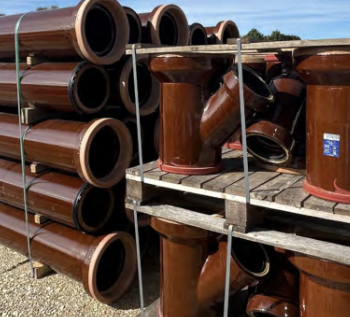
Why vitrified clay pipes are reclaiming their role in built projects.

Research by construction PR consultancy LMC published.
Roles and responsibilities of domestic clients

ACA Safety in Construction guide for domestic clients.
Fire door compliance in UK commercial buildings

Architect and manufacturer gives their low down.
Plumbing and heating for sustainability in new properties
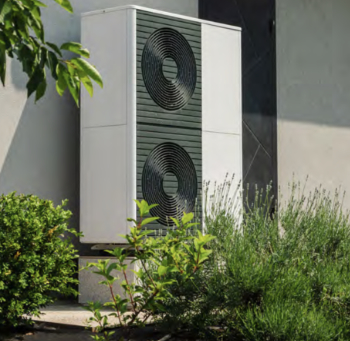
Technical Engineer runs through changes in regulations, innovations in materials, and product systems.
Awareness of the Carbon Border Adjustment Mechanism
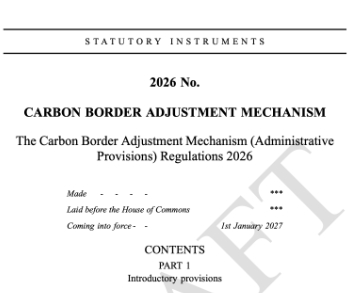
What CBAM is and what to do about it.
The new towns and strategic environmental assessments
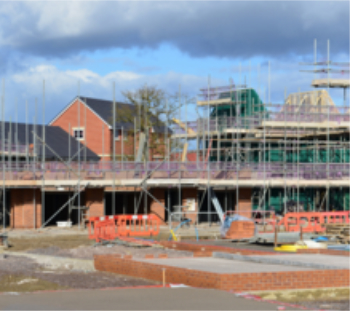
12 locations of the New Towns Taskforce reduced to 7 within the new towns draft programme and open consultation.
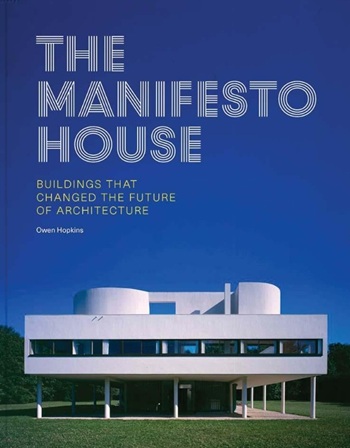
Buildings that changed the future of architecture. Book review.
The Sustainability Pathfinder© Handbook
Built environment agency launches free Pathfinder© tool to help businesses progress sustainability strategies.
Government outcome to the late payment consultation, ECA reacts.
IHBC 2025 Gus Astley Student Award winners

Work on the role of hewing in UK historic conservation a win for Jack Parker of Oxford Brookes University.
Future Homes Building Standards and plug-in solar
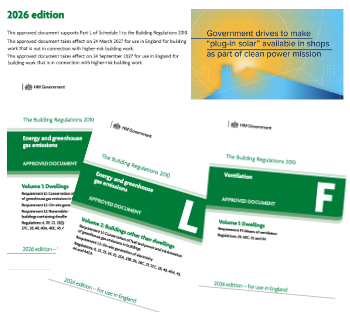
Parts F and L amendments, the availability of solar panels and industry responses.
How later living housing can help solve the housing crisis

Unlocking homes, unlocking lives.
Preparing safety case reports for HRBs under the BSA
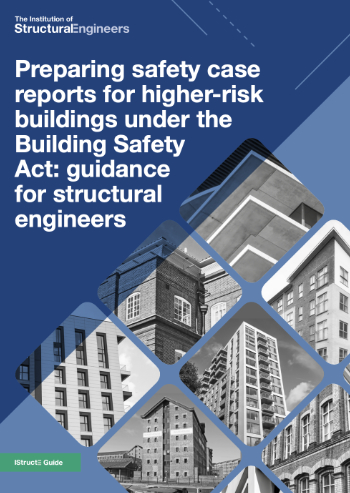
A new practical guide to preparing structural inputs for safety cases and safety case reports published by IStructE.
Male construction workers and prostate cancer

CIOB and Prostate Cancer UK encourage awareness of prostate cancer risks, and what to do about it.