





Lifetime neighbourhoods
Lifetime neighbourhoods are “...places designed to be inclusive regardless of age or disability.” Ref DCLG.
In December 2011, The Department for Communities and Local Government published ‘Lifetime Neighbourhoods’, written by Mark Bevan and Karen Croucher.
The report states, “As we grow older we are more likely to spend more time at home, and where we live is an important determinant of our well-being. However, it is increasingly recognised that it is not just our homes, but also the neighbourhoods where we live that have a significant role in keeping us well and independent as we grow older.”
It suggests that the key components of a lifetime neighbourhood are:
- "Resident empowerment: Resident-led activities to plan/deliver/evaluate features of lifetime neighbourhoods. Actions by community/voluntary/public/private sectors that empower residents to bring about the development and maintenance of features of lifetime neighbourhoods.
- Access: Enable residents to get out and about in the areas in which they live – both physically and virtually – and connect with other people and services in the immediate neighbourhood and beyond.
- Services and amenities: Neighbourhoods with a mix of residential, retail and employment uses. Affordable access to a range of services such as health, post offices, banking facilities or cash machines.
- Built and natural environments: Built environments that promote safe, inclusive access to key services and facilities. Outdoor spaces and buildings that promote social contact. Locally accessible greenspace, and affordable access to natural environments.
- Social networks / wellbeing: informal/formal opportunities and activities (social, learning/training, volunteering), where people feel safe and confident and which respect and reflect the needs of different ages, cultures and ethnicities.
- Housing: A range of affordable housing choices based on inclusive design principles in order to meet the occupants’ needs across the lifecourse – space/layout within homes designed to meet changing needs."
Lifetime Homes, suggest that a lifetime neighbourhood is “…one in which civic and social processes together with physical conditions achieve the following outcomes:
- An environment that is accessible and inclusive, aesthetically pleasing and safe (in terms of both traffic and crime).
- A community that offers plenty of services, facilities and open space.
- A strong social and civic fabric, including volunteering and informal networks.
- A culture of consultation and user empowerment amongst decision makers.
- A strong local identity and sense of place.”
The London Plan, Published by the Mayor of London in March 2016, suggests that a lifetime neighbourhood is: ‘…designed to be welcoming, accessible and inviting for everyone, regardless of age, health or disability, is sustainable in terms of climate change, transport services, housing, public services, civic space and amenities making it possible for people to enjoy a fulfilling life and take part in the economic, civic and social life of the community. This can be achieved by extending the inclusive design principles embedded in the Lifetime Home standards to the neighbourhood level.’
[edit] Related articles on Designing Buildings Wiki
- Accessibility in the built environment.
- Accessibility index.
- Access and inclusion in the built environment: policy and guidance.
- Access consultant.
- Accessible London.
- Approved document M.
- BRE congratulates Home of 2030 winners.
- Changing lifestyles in the built environment.
- Community group.
- Equality act.
- Hearing loss and the built environment.
- Inclusive design.
- Lifetime homes.
- Lifetime Homes Design Guide (EP 100).
- Neighbourhood planning.
- Older people.
- People with disabilities.
Featured articles and news
Building Control Independent Panel final report
A precis of a key report lead by Dame Hackitt with full recomendations and link to the government response.
Guide to ISO 19650 for Architecture Firms (2026)
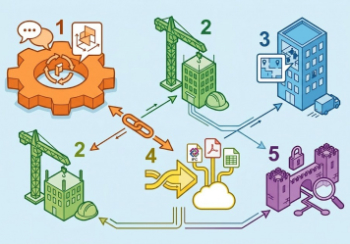
A user gives their low down.

A UK training and membership provider for mould remediation professionals.
Building Safety recap April, 2026
A short and longer run-through of the month, with links to further information and sources.
CIAT May 2026 briefing.

Independent NSI and BAFE study exploring how organisations are changing the way they buy fire safety services.

From medieval scribes to modern word art.

ECA welcomes crackdown on late payment and push for clean energy, whilst CIOB seek fixed cladding removal timeframes.
Cyber Security in the Built Environment

Protecting projects, data, and digital assets: A CIOB Academy TIS.
Managing competence in the built environment

ITFG publishes new industry guide on how to meet the ICC principles.
The UK's campaign to reduce noise pollution: Mythbusting, articles and topic guides.
Setting Expectations on Competence Management
Industry Competence Committee.
New Scottish and Welsh governments
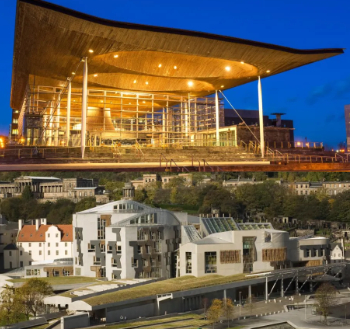
CIOB stresses importance of construction after new parliament elections.
The sad story of Derby Hippodrome

An historic building left to decay.

ECA, JIB and JTL back Fabian Society call to invest in skills for a stronger built environment workforce.