





Global action
Global action means the collective effort of individuals, organizations, and governments to address and solve issues that affect the entire planet. These issues range from climate change and environmental degradation to poverty and inequality. As the world has become increasingly interconnected, global action has become more crucial, greater digitisation has also in many ways facilitated global action, across platforms such a social media.
The United Nations UN, often plays a key role in facilitating global action, establishing various initiatives and programs addressing poverty, hunger, gender inequality and climate change. One of the best known of these initiatives is the Sustainable Development Goals (SDGs), which is a set of 17 goals that aim to end poverty, protect the planet, and ensure peace and prosperity for all, they started earlier as the Millenium goals.
In terms of professions relating to construction global action can occur on a professional level across nations supporting specific agendas such as for example climate change mitigation, for example declarations of a Climate Emergency have been made and signed between individal professionals as well as their institutions across different countries.
Governments should also play a critical role in global action, with the power to enact policies and regulations that can have a significant impact on the environment and society, or in the case of war bring sanctions against aggressors. In many cases certain goverments have grouped together over certain areas. The Paris Agreement, was a governmental agreement to limit global warming to below 2 degrees Celsius above pre-industrial levels and pursue efforts to limit the temperature increase to 1.5 degrees Celsius, though the agreed targets have as yet not been met in most cases.
Non-governmental organizations (NGOs) and civil society also play an essential role in global action. NGOs work to raise awareness about global issues and advocate for change. They often work at the grassroots level to empower communities and implement sustainable solutions, for example Greenpeace or the WWF.
Civil society groups, including youth groups and social movements, are also important drivers of global action. They use their collective power to push for systemic change and hold governments and corporations accountable for their actions, for example most recently in the Fridays for Future movement where school children held school strikes across the globe to push for government action on climate change.
Less formal organisations develping from within civil society can also develop into more extreem and sometimes illegal activities to disturb the norm, carrying out what is increasingly referred to as direct action, distrupting travel plans, or construction projects can also play a role in global action, for example Extinction Rebellion.
Marches, strikes and demonstrations are historically relatively common, with the onset of globalisation these can become global demonstrations occuring concurrently in many major cities. These events often bring a variety of the above groups together for a single cause such as climate change.
In conclusion, global action is essential for addressing the issues that affect the entire planet, either formally or informally, organised or ad hoc, and in most cases legallly but not always. Global Action requires the collective effort of individuals, organizations, and governments sometimes with differing agendas, needs, understandings and methods, but with the combined and in simple terms goal to change something for the better, globally.
[edit] Related articles on Designing Buildings
- Abrupt climate change.
- Carbon capture processes.
- Carbon emissions.
- Carbon plan.
- Climate.
- Climate Change Act.
- COP21 Paris 2015.
- Emission rates.
- Energy targets.
- Global overheating.
- Global warming.
- Greenhouse gases.
- Intergovernmental Panel on Climate Change IPCC.
- Kyoto Protocol.
- Sustainability.
- UN Sustainable Development Goals.
Featured articles and news
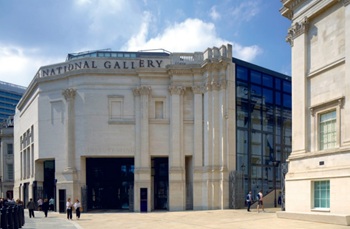
A landmark moment for postmodern heritage.
A safe energy transition – ECA launches a new Charter
Practical policy actions to speed up low carbon adoption while maintaining installation safety and competency.
Frank Duffy: Researcher and Practitioner
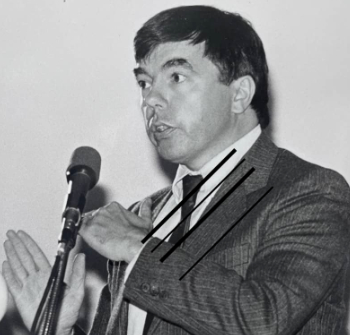
Reflections on achievements and relevance to the wider research and practice communities.
The 2026 Compliance Landscape: Fire doors

Why 'Business as Usual' is a Liability.
Cutting construction carbon footprint by caring for soil

Is construction neglecting one of the planet’s most powerful carbon stores and one of our greatest natural climate allies.
ARCHITECTURE: How's it progressing?
Archiblogger posing questions of a historical and contextual nature.
The roofscape of Hampstead Garden Suburb
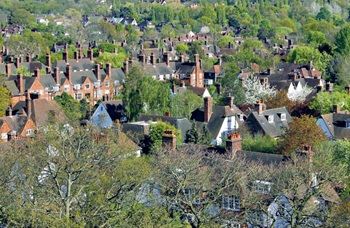
Residents, architects and roofers need to understand detailing.
Homes, landlords. tenants and the new housing standards

What will it all mean?
The Architectural Technology podcast: Where it's AT

Catch-up on the latest episodes.
Edmundson Apprentice of the Year award 2026

Entries now open for this Electrical Contractors' Association award.

Traditional blue-grey slate from one of the oldest and largest UK slate quarries down in Cornwall.
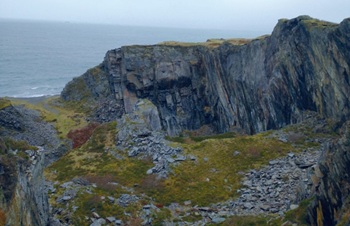
There are plenty of sources with the potential to be redeveloped.
Change of use legislation breaths new life into buildings

A run down on Class MA of the General Permitted Development Order.
Solar generation in the historic environment
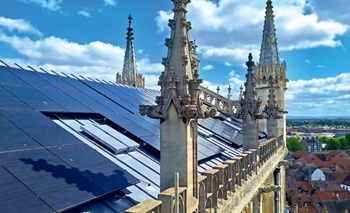
Success requires understanding each site in detail.