





Gangmasters and Labour Abuse Authority (GLAA)
A gangmaster (or occasionally 'ganger') is a person that oversees and organises the work of casual manual labourers, often on an informal basis. Since the early-19th century, gangmasters have operated in the agriculture and horticulture industries, using casual workers to meet irregular and unpredictable labour demands.
However, workers, who are often immigrants, can be vulnerable to exploitation in the form of low rates of pay, reduced access to employment benefits, poor access to personal protective equipment and so on, which can put them at risk on a construction site.
On 12th January 2016, the Government released its response to a consultation ‘Tackling exploitation in the labour market’, conducted by the Home Office and the Department for Business, Innovation and Skills. As a result, the non-departmental public body, the Gangmasters Licensing Authority (GLA) was reformed and renamed the Gangmasters and Labour Abuse Authority (GLAA). The government also announced an intention to enforce the GLAA will stronger powers and to widen its remit to include the construction industry.
According to the consultation findings, the GLAA:
‘...will be given police-style enforcement powers in England and Wales to help it tackle all forms of exploitation in all sectors. It will retain the existing licensing regime, but this will be reformed to be more flexible and capable of responding to changing risk....’
The GLAA works by inspecting all new applicants, as well as licensed businesses on a random basis or following a risk assessment, and investigating those operating without a license or where allegations of exploitation have been raised.
GLAA officers can inspect premises, interview workers and ask to review evidence such as current contracts, wage books and the terms and conditions applicable to workers.
The inspection report is reviewed and, together with information from government departments and agencies, a decision is made as to whether licensing standards have been met or whether further inspections are required. The inspection is points-based, and less than 30 points is an indication of a fail.
Although the move into construction had been advocated by organisations such as the Labour Party and the trade union UCATT, concerns were raised that the licensing regime was not extended into construction. According to UCATT, regulations governing construction site safety have been lost, putting at risk those already in precarious employment, and adopting a more flexible licensing approach was ‘unlikely to create a crackdown on the unfair treatment of workers that the construction industry is crying out for’.
[edit] Related articles on Designing Buildings
- Construction and the Modern Slavery Act.
- Construction Workers Compensation Scheme.
- Ethics in construction.
- Gangmaster.
- Large Industrial Sites report.
- Modern Slavery Act and sustainable supply chains.
- Modern slavery and the supply chain.
- Modern slavery in the construction sector.
- PAYE.
- Payroll companies.
- Umbrella companies.
Featured articles and news
Costs and insolvencies mount for SMEs, despite growth

Construction sector under insolvency and wage bill pressure in part linked to National Insurance, says report.
The place for vitrified clay pipes in modern infrastructure
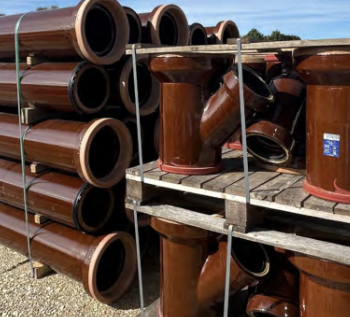
Why vitrified clay pipes are reclaiming their role in built projects.

Research by construction PR consultancy LMC published.
Roles and responsibilities of domestic clients

ACA Safety in Construction guide for domestic clients.
Fire door compliance in UK commercial buildings

Architect and manufacturer gives their low down.
Plumbing and heating for sustainability in new properties

Technical Engineer runs through changes in regulations, innovations in materials, and product systems.
Awareness of the Carbon Border Adjustment Mechanism
What CBAM is and what to do about it.
The new towns and strategic environmental assessments

12 locations of the New Towns Taskforce reduced to 7 within the new towns draft programme and open consultation.

Buildings that changed the future of architecture. Book review.
The Sustainability Pathfinder© Handbook
Built environment agency launches free Pathfinder© tool to help businesses progress sustainability strategies.

Government outcome to the late payment consultation, ECA reacts.
IHBC 2025 Gus Astley Student Award winners

Work on the role of hewing in UK historic conservation a win for Jack Parker of Oxford Brookes University.
Future Homes Building Standards and plug-in solar

Parts F and L amendments, the availability of solar panels and industry responses.
How later living housing can help solve the housing crisis

Unlocking homes, unlocking lives.
Preparing safety case reports for HRBs under the BSA
A new practical guide to preparing structural inputs for safety cases and safety case reports published by IStructE.
Male construction workers and prostate cancer

CIOB and Prostate Cancer UK encourage awareness of prostate cancer risks, and what to do about it.