





Fluctuations in construction contracts
Fluctuations provisions in construction contracts provide a mechanism for dealing with the effects of inflation, which on large projects lasting several years can be very significant. On smaller projects, the contractor will be expected to take inflation into account when calculating their price (a firm price). On larger projects, the contractor may be asked to tender based on current prices (prices at an agreed base date) and then the contract makes provisions for the contractor to be reimbursed for price changes to specified items over the duration of the project (a fluctuating price).
Fluctuation clauses in contracts may allow for:
- Changes in taxation.
- Changes in the cost of labour, transport and materials (sometimes referred to as 'escalation').
- Increases in head office or administrative costs.
Generally the contractor is not entitled to fluctuations after the completion date.
The amount of fluctuations may be calculated from nationally published price indices rather than calculating actual cost increases which could be very time consuming. Provisions vary from contract to contract, and even within contracts there may be several options for fluctuations.
JCT for example has three options:
- Option A: contribution, levy and tax fluctuations.
- Option B: labour and materials cost and tax fluctuations.
- Option C: formula adjustment.
Option C is based on the Price Adjustment Formula Indices (PAFI), and are maintained by BCIS, and the specification of a base month against which changes are to be calculated.
Payment calculations might for exampled be based on a project programme for activity and a payment chart against the programme resulting in a cash flow projection. Quarterly percentage assessments of inflation are then added to the projected figures allowing for price fluctuation.
If industry negotiated labour rates are known in advance or a particular commodity such as steel is subject to spiralling price rises, additional allowances may come into play.
See also: Inflation in the construction industry.
[edit] Related articles on Designing Buildings
Featured articles
Check out some of the best features and news from Designing Buildings as well as key stories from around the web.
Bridging the gap between clients and contractors

Concerns remain around contractor quality, capability, and delivery.
Construction Management, 10 June.
Heat pumps beat boilers in new home tests.
Building Safety Act implementation in Wales

CIAT to host industry panel on 26 June.

New and updated CLC building safety guidance.
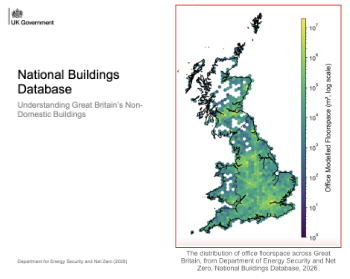
New UK National Buildings Database.
Building Safety Wiki Interviews

Chief executive of the British Woodworking Federation.
Planning condition discharge in England and Wales

A brief explanation from a building compliance expert, with further links.
Overheating guidance and tools for building designers

Guidance for dealing with element of building fabric control that have increasing importance.
Shading for housing, a design guide

From the Good Homes Alliance and British Blind and Shutter Association.
UK Standard Skills Classification (SSC)

A shared framework for describing skills needs.
Social media ban consultation comes to close

CIOB urges UK Government to consider social media’s role in careers guidance in ban debate.