





Fees and resourcing on design and construction projects
This article needs more work. To help develop this article, click 'Edit this article'.
Contents |
[edit] Calculation
Fees can have impact on client's perception of a company and so it is important to get them right.
They can be based on:
- Empirical data: practice records of previous costs.
- Calculating the cost of the resource and other requirements (renders,printing, travel etc…) of the project on stage by stage basis.
- A tool such as the RIBA fee calculator based on the cost of the resource and other requirements.
[edit] Types of fee
Fees calculated as a percentage of the final construction cost:
- Suits straightforward building projects of relatively short duration.
- Can appear to reward design consultants for an overpriced design.
- Risk to the consultants that the construction cost could be lower than anticipated.
- Can be used as a basis for fee calculation rather than a 'set in stone' agreement.
- Appropriate when the scope of the project/ required services/ programme and cost clearly defined from outset and are unlikely to change.
- It is possible to agree lump sum separately for each work stage.
- Variations may allow additional fees.
Time charges:
- Appropriate when resources or time scale cannot be predicted accurately. This is often the case in the early stages of a project.
- An agreed hourly rate per staff category / named individual.
- May include a provision for increases with inflation (12 monthly).
Additional fees:
- Standard appointments generally have provision for additional fees.
- Beware of bespoke appointments that limit additional fees to client instructions.
- Licence fees for the design if the developer uses it on other sites.
[edit] Risks and uncertainties
- Client experience/ knowledge/ reputation/relationship. It may be appropriate to carry out a credit check and speak to other firms to find out how quickly they pay/ whether they observe payment terms and so on.
- Project definition: Are the requirements clear or uncertain?
- Scale of project: Impacts planning timescales/ resource/ programme.
- Complexity of the project.
- Whether similar work has been done before.
- Programme: scale/ planning/ resource/ uncertainties such as repairs for survey/squatters.
- Other resource requirements: if a project is overseas, it may be appropriate to work with a local consultant to benefit from their knowledge.
- Local opposition/support
- Requirement to appoint sub-consultants
[edit] Key influences on resource requirements
- Type of procurement and scope of services.
- Speed
- Quality
- Project size
- Complexity
- Extent of works to existing buildings
- Repair / conservation of historic buildings
- Degree of design repetition
- Practice size and overheads
- Geographic proximity
- BIM
[edit] Benefits
- Business expansion.
- Enhanced profit.
- Employ existing staff
- New market/sector
- Quality of work
- Prestige/enhanced reputation
[edit] Key influences on brand value
- Practice reputation.
- Location.
- Culture.
- Specialist skills.
[edit] Context/benchmarking
Whilst using the points above to aid a resource-based approach to calculate feed, cross-checks are recommended to ensure that a sensible outcome has been reached. Such checks include comparing the fee to be proposed against previous similar jobs and benchmarking the proposed fee against other projects when expressed as a percentage of construction cost.
[edit] Related articles on Designing Buildings
Featured articles
Check out some of the best features and news from Designing Buildings as well as key stories from around the web.
Undervaluing our industrial past

Heritage value changes as taste for building styles changes.
Changing expectations around competence and compliance

New information sheet from CIAT.
Grenfell investigation files passed to CPS

Angela Rayner apologises on behalf of the British state.

Electrical contractors need to understand the practical implications.

The real barrier to getting more value from digital technology.

Your guide to The Construction Reset at UKCW Birmingham.

Accommodating the Victorian and Edwardian working woman. Book review.
Rethinking passive fire protection in design

PFP demands the same level of design rigour as structure or services.

38% of Gen Zs feel safe when a fire door is wedged open.
Stunning images from around the world
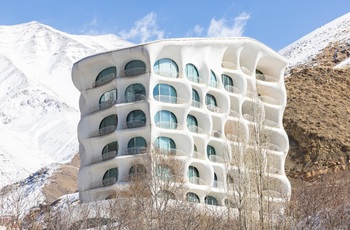
Shortlist for CIOB’s Art of Building photography competition.

Guidance for conversion of traditional pre-1919 stone buildings.
Industrial heritage in the Ruhr
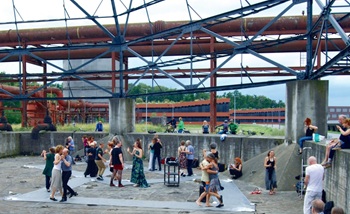
A marked difference to the fate of industrial landscapes in the UK.