





Environmental Impairment Liability (EIL)
The EU Environmental Liability Directive aims to make businesses Europe-wide responsible for the full consequences of environmental damage they may cause. This includes damage to protected species and habitats, underground water sources or groundwater, and land where there may be a human risk-factor.
Environmental Impairment Liability (EIL) is a form of insurance cover available for liabilities associated with environmental damage or pollution. Contractors that may be at risk from losses associated with damage or pollution caused by their activities may purchase EIL policies, and cover may be a requirement of a construction contract.
EIL can provide comprehensive cover for the construction phase of a project:
- Potential claims from regulatory bodies and third parties.
- Liabilities arising from the EU Environmental Liability Directive (not restricted solely to damage from pollution incidents).
- Onsite clean-up costs as required by legislation.
- Third party claims such as bodily injury, property damage, nuisance and trespass, and clean-up costs.
- Clean-up costs incurred by regulators.
- Incident response requiring emergency expenditure.
- Costs and expenses for investigations, legal defence and so on.
[edit] Find out more
[edit] Related articles on Designing Buildings Wiki
- Collateral warranties.
- Contaminated land.
- Contractors’ all-risk insurance.
- Design liability.
- Environmental Liability Directive.
- Future proofing.
- Insurance for building design and construction.
- Integrated project insurance.
- Planning for floods.
- Professional Indemnity Insurance.
- Residual value insurance.
Featured articles
Check out some of the best features and news from Designing Buildings as well as key stories from around the web.

Your views needed - a strategy for the professions, trades and occupations.

Confronting competency, codes, capacity and costs.
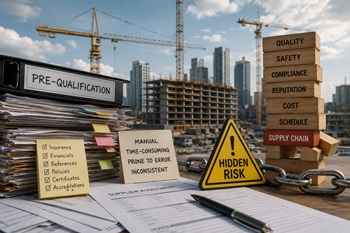
The hidden risk in modern construction supply chains.
Construction Management, 10 June

24 months to 14: CITB launches accelerated apprenticeships.
Bridging the gap between clients and contractors

Concerns remain around contractor quality, capability, and delivery.
Construction Management, 10 June.
Heat pumps beat boilers in new home tests.
Building Safety Act implementation in Wales
CIAT to host industry panel on 26 June.
New and updated CLC building safety guidance.
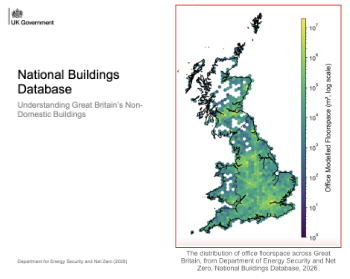
New UK National Buildings Database.
Building Safety Wiki Interviews

Chief executive of the British Woodworking Federation.
Planning condition discharge in England and Wales

A brief explanation from a building compliance expert, with further links.