





Drawing board

Manual drafting of design and construction drawings is generally carried out on a drawing board. The drawing board provides a large flat surface to which paper can be attached using clips or tape for the drawing to be created.
Drawing boards are typically sized to suit standard paper sizes, such as A2, A1, A0 and so on. They can be desk based (sitting on top of an existing desk), fee-standing (on a supporting frame) or integrated with other office fixtures such as filing cabinets.
They are generally inclined, with a mechanism allowing the angle of inclination to be adjusted. They may also have mechanisms allowing the drawing surface to be raised and lowered. They may include a removable mat laid over the board itself that protects the board, provides a suitable surface for supporting paper for drawing, and that can be replaced once it becomes worn, damaged or dirty.
Some drawing boards include a parallel motion. This is typically a horizontal guide that is attached to cables, guides or counterweights at either end that allow it to move up and down along the surface of the drawing board so that lines can be dawn that are parallel to one another. Used in conjunction with set squares or protractors and rules that can slide along the top or bottom edge of the horizontal guide, this allows lines to be drawn at any required angle at any point on the paper.
Some drawing boards have a vertical rather than horizontal parallel motion, and some include complex arrangement of connected arms or rules fixed to the board that allow lines of any angle to be drawn.
They may also include lighting, such as an adjustable angle poise lamp that illuminates the drawing.
Less expensive drawing boards may use a T-square to achieve a similar result. T-squares are T-shaped guides that are not fixed to the drawing board. The head of the T-square is pushed against the edge of the drawing board and the edge of the blade can then be used to draw lines parallel to the edge of the drawing board.
[edit] Related articles on Designing Buildings
- Blueprint.
- Manual drafting techniques.
- Model.
- North American Paper Sizes
- Paper sizes.
- Parallel motion.
- Perspective.
- Projections.
- Scale drawing.
- Scale rule.
- Scale.
- Symbols on architectural drawings.
- T-square.
- Technical drawing pen sizes.
- Technical drawing.
- Techniques for drawing buildings.
- Types of drawing.
Featured articles
Check out some of the best features and news from Designing Buildings as well as key stories from around the web.

Confronting competency, codes, capacity and costs.
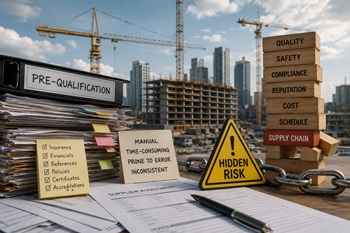
The hidden risk in modern construction supply chains.
Construction Management, 10 June

24 months to 14: CITB launches accelerated apprenticeships.
Bridging the gap between clients and contractors
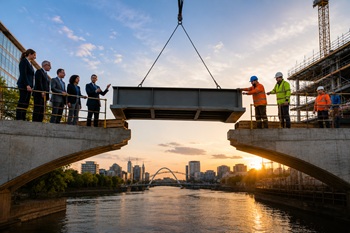
Concerns remain around contractor quality, capability, and delivery.
Construction Management, 10 June.
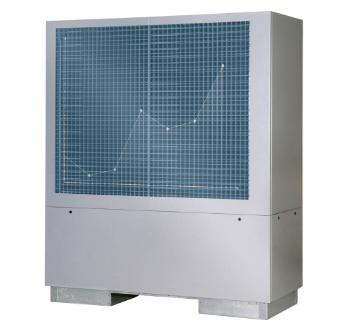
Heat pumps beat boilers in new home tests.
Building Safety Act implementation in Wales

CIAT to host industry panel on 26 June.
New and updated CLC building safety guidance.
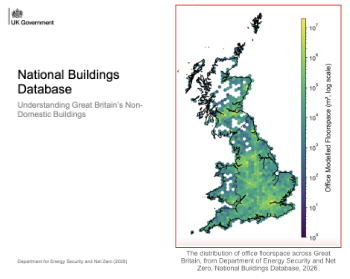
New UK National Buildings Database.
Building Safety Wiki Interviews

Chief executive of the British Woodworking Federation.
Planning condition discharge in England and Wales

A brief explanation from a building compliance expert, with further links.
Overheating guidance and tools for building designers

Guidance for dealing with element of building fabric control that have increasing importance.