





Confidentiality clause
A confidentiality clause is a provision within a contract that obligates the parties involved to keep certain information confidential. This is designed to protect sensitive information, trade secrets, and proprietary data from being disclosed to unauthorised parties.
The clause defines what constitutes confidential information, which may include project plans, financial details, technical specifications, client lists, and so on. Parties are required to use the confidential information only for the purposes specified in the contract and must take reasonable steps to protect the information from unauthorised access or disclosure.
Examples might include:
- Protecting designs, engineering methods, or construction techniques.
- Safeguarding financial arrangements, such as project budgets and cost estimates.
- Ensuring that client information, such as project requirements and specifications, remains confidential.
The clause typically outlines the circumstances under which confidential information may be disclosed, such as to employees, subcontractors, or agents who need to know the information to perform their duties. It may also specify disclosures required by law or regulation. Certain information may be excluded from the confidentiality obligation, such as information that is already public knowledge, independently developed by the receiving party, or lawfully obtained from a third party without a confidentiality obligation.
The clause details the consequences of breaching the confidentiality obligation, which may include damages, termination of the contract, or other legal remedies.
The confidentiality obligation usually extends beyond the term of the contract, continuing for a specified period after the project’s completion or indefinitely, depending on the nature of the information.
See also: Non-disclosure agreement.
[edit] Related articles on Designing Buildings
Featured articles and news
Costs and insolvencies mount for SMEs, despite growth

Construction sector under insolvency and wage bill pressure in part linked to National Insurance, says report.
The place for vitrified clay pipes in modern infrastructure
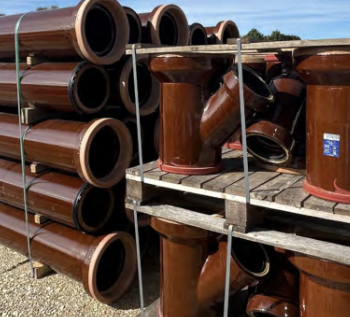
Why vitrified clay pipes are reclaiming their role in built projects.

Research by construction PR consultancy LMC published.
Roles and responsibilities of domestic clients

ACA Safety in Construction guide for domestic clients.
Fire door compliance in UK commercial buildings

Architect and manufacturer gives their low down.
Plumbing and heating for sustainability in new properties

Technical Engineer runs through changes in regulations, innovations in materials, and product systems.
Awareness of the Carbon Border Adjustment Mechanism
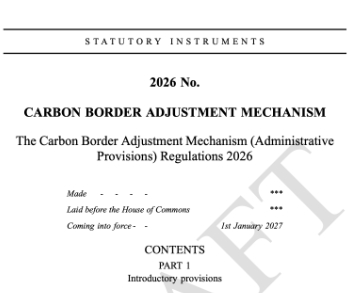
What CBAM is and what to do about it.
The new towns and strategic environmental assessments
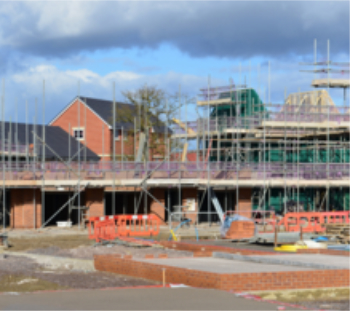
12 locations of the New Towns Taskforce reduced to 7 within the new towns draft programme and open consultation.

Buildings that changed the future of architecture. Book review.
The Sustainability Pathfinder© Handbook
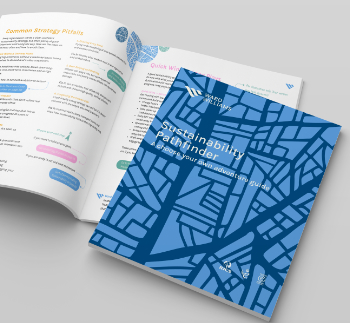
Built environment agency launches free Pathfinder© tool to help businesses progress sustainability strategies.

Government outcome to the late payment consultation, ECA reacts.
IHBC 2025 Gus Astley Student Award winners

Work on the role of hewing in UK historic conservation a win for Jack Parker of Oxford Brookes University.
Future Homes Building Standards and plug-in solar
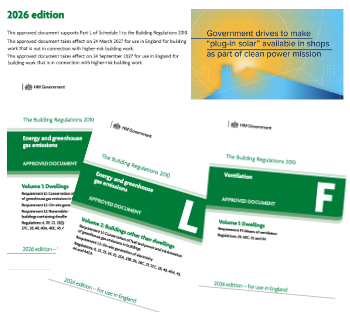
Parts F and L amendments, the availability of solar panels and industry responses.
How later living housing can help solve the housing crisis

Unlocking homes, unlocking lives.
Preparing safety case reports for HRBs under the BSA
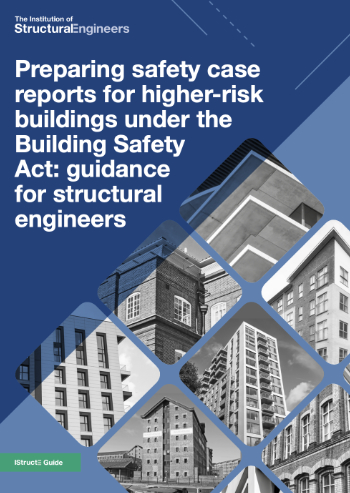
A new practical guide to preparing structural inputs for safety cases and safety case reports published by IStructE.
Male construction workers and prostate cancer

CIOB and Prostate Cancer UK encourage awareness of prostate cancer risks, and what to do about it.