





Comprehensive Guide to Maintaining and Caring for Your Oak Framed Building
Contents |
[edit] Comprehensive Guide to Maintaining and Caring for Your Oak Framed Building
[edit] Overview
An Bespoke Oak Framed Buildings is a durable and aesthetically pleasing structure that requires minimal but essential maintenance to ensure its longevity. Oak is a naturally resilient material that ages gracefully, developing a silver-grey patina over time. Proper care includes regular inspections, cleaning, moisture management, and protection against pests and environmental factors.
[edit] Aging Process of Oak
Oak is known for its durability and strength. Over time, exposure to the elements leads to a natural aging process, resulting in a silver-grey finish. This change does not affect structural integrity. However, treatments can be applied to retain its original golden hue if desired.
[edit] Regular Inspections
Routine inspections are necessary to identify potential issues before they become significant. A biannual check is recommended, focusing on:
- Cracks and splits in the wood (natural but should be monitored)
- Signs of moisture damage or rot, especially in damp areas
- Evidence of insect infestation, such as boreholes or wood dust
- Structural integrity, ensuring joints remain secure
[edit] Cleaning Procedures
Oak frames accumulate dirt, moss, and algae, particularly in humid conditions. Proper cleaning helps maintain the wood’s aesthetics and prevents organic growth.
- Exterior Cleaning: Use warm, soapy water with a soft brush or sponge. Avoid high-pressure washers to prevent moisture penetration.
- Interior Cleaning: Dusting and occasional use of mild wood cleaners are sufficient. Treated oak may require specific care products.
[edit] Moisture Management
While oak is resistant to moisture, prolonged exposure can lead to damage. Preventative measures include:
- Ensuring adequate drainage around the base of the structure
- Regularly checking and repairing roof tiles and gutters
- Using breathable protective treatments to regulate moisture absorption
[edit] Cracks and Splits in Oak
As oak dries, natural cracks, known as “shakes,” appear. These typically do not compromise structural integrity. If cracks become excessive or allow water ingress, specialized wood fillers or professional assessment may be necessary.
[edit] Pest Protection
Oak is naturally resistant to most wood-boring insects, but periodic checks for infestations are advisable. Signs of pests include small holes or powdery residue. If detected, apply appropriate insecticides or seek professional assistance.
[edit] Protective Finishes
To enhance longevity and aesthetics, various treatments can be applied:
- UV Protection Oils: Preserve the golden hue and slow the greying process.
- Natural Oils (e.g., linseed, tung oil): Improve moisture resistance.
- Waxes and Varnishes: Suitable for interior elements to enhance durability and protect against stains.
[edit] Seasonal Maintenance
Spring and Summer:
- Inspect for any winter-related damage.
- Clean exterior surfaces to remove dirt and organic buildup.
- Reapply protective treatments as needed.
Autumn and Winter:
- Remove leaves and debris from the base to prevent moisture accumulation.
- Inspect and maintain roof tiles, gutters, and drainage systems.
- Monitor interior ventilation to prevent condensation.
[edit] Conclusion
Maintaining an oak framed building requires routine inspections, proper cleaning, moisture control, and occasional protective treatments. With adequate care, these structures remain aesthetically pleasing and structurally sound for generations, embodying both traditional craftsmanship and long-term durability.
Featured articles and news
The future workforce: culture change and skill

Under the spotlight at UK Construction Week London.
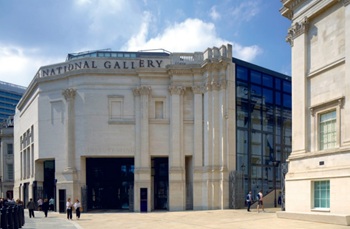
A landmark moment for postmodern heritage.
A safe energy transition – ECA launches a new Charter

Practical policy actions to speed up low carbon adoption while maintaining installation safety and competency.
Frank Duffy: Researcher and Practitioner

Reflections on achievements and relevance to the wider research and practice communities.
The 2026 Compliance Landscape: Fire doors

Why 'Business as Usual' is a Liability.
Cutting construction carbon footprint by caring for soil
Is construction neglecting one of the planet’s most powerful carbon stores and one of our greatest natural climate allies.
ARCHITECTURE: How's it progressing?
Archiblogger posing questions of a historical and contextual nature.
The roofscape of Hampstead Garden Suburb
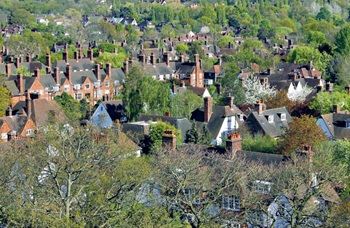
Residents, architects and roofers need to understand detailing.
Homes, landlords. tenants and the new housing standards
What will it all mean?
The Architectural Technology podcast: Where it's AT

Catch-up on the latest episodes.
Edmundson Apprentice of the Year award 2026

Entries now open for this Electrical Contractors' Association award.
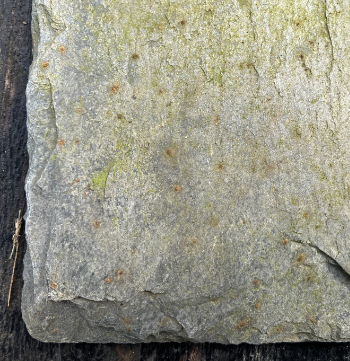
Traditional blue-grey slate from one of the oldest and largest UK slate quarries down in Cornwall.
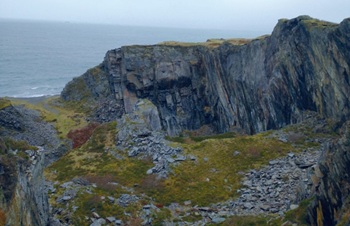
There are plenty of sources with the potential to be redeveloped.
Change of use legislation breaths new life into buildings

A run down on Class MA of the General Permitted Development Order.
Solar generation in the historic environment
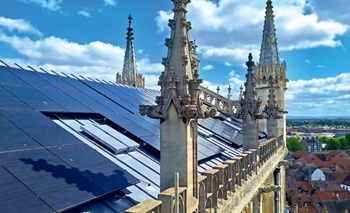
Success requires understanding each site in detail.