






Changing patterns in domestic energy use FB 76
BRE (Building Research Establishment) is an independent, research-based consultancy, testing and training organisation, operating in the built environment and associated industries.
Changing patterns in domestic energy use (FB 76) was written by Helen Garrett, Justine Piddington, Selina Burris and Jack Hulme and was published by BRE on 30 September 2015.
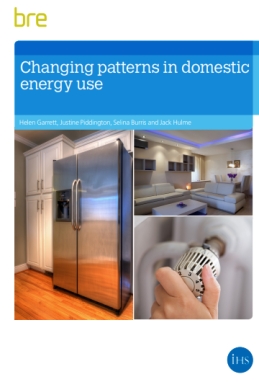
This 24-page BRE Trust report examines changes in domestic energy use in England and the expected trajectory for future energy consumption. This will give a better understanding of changes in energy consumption (eg electrical energy use for appliances), allowing them to be taken into account in energy modelling and policy.
The aspects of energy consumption examined in the report are:
- Lighting – ownership of low-energy lighting, inside and outside homes.
- Appliances – ownership of different types of electrical appliances.
- Cooking – ownership and use of ovens, grills, hobs and microwaves.
- Space and water heating – including heating patterns, boilers, bathing and showers.
The contents of the report are:
- Executive summary.
- Introduction.
- Lighting.
- Appliances.
- Cooking.
- Space and water heating.
- Conclusion.
- References.
[edit] Related articles on Designing Buildings
- Battery energy storage systems with grid-connected solar photovoltaics BR 514.
- Battery storage.
- BRE articles on Designing Buildings Wiki.
- BRE Buzz articles on Designing Buildings Wiki.
- BRE Buzz.
- Building Research Establishment.
- Changing energy behaviour in the workplace (FB 73).
- Domestic micro-generation.
- Electrician.
- Electricity supply.
- Electricity supply.
- Feed in tariff.
- Flexible electrical networks for a low carbon future.
- Glossary of electrical terms.
- Microgeneration.
- Micro-grids.
- The Future of Electricity in Domestic Buildings.
Featured articles
Check out some of the best features and news from Designing Buildings as well as key stories from around the web.

CIAT confirm the winners of the 2026 architectural technology awards.

Government launches a one stop shop for flood preparedness.

Sir Edwin Lutyens: Britain's greatest architect? Book review.

CIOB publishes free template to help assess and manage risks.
ECA's reflections on Party Conference season

Burnham wants to be confident of winning before asking for a fresh mandate.
New Chief Construction and Scientific Adviser

Sergio Cavalaro, Professor of Infrastructure Systems at Loughborough University.
Building safety levy for England

CIAT publish estimator tool for members.

Water sector faces a growing crisis that could slow the delivery of vital infrastructure.
Undervaluing our industrial past

Heritage value changes as taste for building styles changes.
Changing expectations around competence and compliance

New information sheet from CIAT.
Grenfell investigation files passed to CPS

Angela Rayner apologises on behalf of the British state.

Electrical contractors need to understand the practical implications.