





Carbon emissions reduction target CERT
Contents |
[edit] Overview
The Carbon Emissions Reduction Target (CERT) scheme ran between April 2008 and December 2012 following the Energy Efficiency Commitment 2005-2008. CERT placed a five year commitment on certain electricity and gas suppliers to reduce the carbon emissions within domestic properties.
The main aim of CERT was to contribute to the UK’s commitment to cut greenhouse gases by 12.5% by 2008-2012 under the Kyoto Protocol and Climate Change Act 2008. The overall target was for suppliers to achieve a saving of 293 million lifetime tonnes of carbon dioxide (Mt CO2) by 31 December 2012. By the end of CERT in December 2012, energy companies had achieved a saving of 296.9 Mt CO2 (Ofgem, 2013).
The CERT scheme was followed by The Gas and Electricity (Energy Companies Obligation) Order 2012 (the ECO).
[edit] Background
CERT was implemented by the Electricity and Gas (Carbon Emissions Reduction) Order 2008. Suppliers had to demonstrate that carbon dioxide (CO2) saving measures were being achieved through householders implementing energy efficiency measures.
The energy companies that were obliged to meet the reduction target were:
In addition to the carbon reduction target, the energy companies were required to meet the following three targets:
- At least 40% of the target had to be achieved through uptake by ‘Priority Group’ consumers. These were defined as those aged over 70 years of age or in receipt of certain income-related benefits.
- A saving of 16.2 Mt CO2 had to be met by promotion of energy efficient measures to the ‘Super Priority Group’ consumers. These were defined as those on certain qualifying benefits, for example households in receipt of child tax credits and under an income threshold.
- A saving of 73.4 Mt CO2 had to be met by promoting professionally installed insulation measures.
[edit] Delivery
Ofgem regulated the progress of CERT and reported that 3.9 million homes received professionally-installed loft insulation and 2.6 million households received cavity wall insulation. Other measures implemented included:
- Draught proofing and insulation.
- Shower regulators.
- Solar water heating.
- Small scale combined heat and power (CHP).
- Replacement boilers.
[edit] Scheme outcome
By end of the scheme in December 2012, the energy suppliers had achieved the following (Ref Ofgem, 2013):
- Savings of 296.9 Mt CO2 (equivalent to 101.3% of the overall CERT target). The main target required all the energy companies to meet their main obligations, but two failed and so the main target was not achieved.
- 41.3% of the overall carbon saving was from the Priority Group, against a target of 40%. The Priority Group target required that all energy companies had to meet their Priority Group obligations, but one did not so the target was not achieved.
- Saving of 16.6 Mt CO2 of carbon from the Super Priority Group, which is the equivalent of 102.6% of the 16.2 Mt CO2 target. In order to meet the Super Priority Group target, all energy companies had to meet their Super Priority Group obligations, but one did not so the Super Priority Group target was not met.
- Saving of 75.1 Mt CO2 of carbon (equivalent to 102.3% of the 73.4 Mt CO2 target) by installing measures eligible under the Insulation target. In order to meet the Insulation target, all energy companies had to meet their Insulation obligations, but two failed and so the Insulation target was not met
The majority of carbon saving was achieved through the installation of insulation measures (41%), with lighting measures accounting for 17.3%. Heating savings contributed 10%, appliances 5.9% and the remainder was split between microgeneration and CHP, behavioural measures and demonstration actions.
[edit] Related articles on Designing Buildings Wiki
- Carbon dioxide.
- Carbon emissions.
- Cavity wall insulation.
- Circular Construction in Regenerative Cities (CIRCuIT).
- Climate change act.
- Climate change levy.
- Combined heat and power.
- Green deal.
- Energy companies obligation.
- Insulation.
- Kyoto protocol.
[edit] External references
- The final report of the Carbon Emissions Reduction Target (CERT) 2008-2012, Ofgem 2013.
Featured articles
Check out some of the best features and news from Designing Buildings as well as key stories from around the web.
Construction Management, 10 June

24 months to 14: CITB launches accelerated apprenticeships.
Bridging the gap between clients and contractors

Concerns remain around contractor quality, capability, and delivery.
Construction Management, 10 June.
Heat pumps beat boilers in new home tests.
Building Safety Act implementation in Wales

CIAT to host industry panel on 26 June.
New and updated CLC building safety guidance.
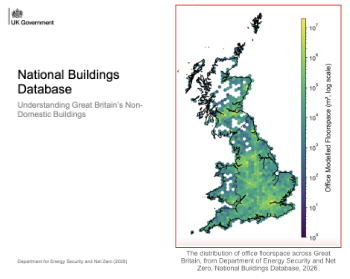
New UK National Buildings Database.
Building Safety Wiki Interviews

Chief executive of the British Woodworking Federation.
Planning condition discharge in England and Wales

A brief explanation from a building compliance expert, with further links.
Overheating guidance and tools for building designers

Guidance for dealing with element of building fabric control that have increasing importance.
Shading for housing, a design guide

From the Good Homes Alliance and British Blind and Shutter Association.
UK Standard Skills Classification (SSC)
A shared framework for describing skills needs.