





Charred timber cladding

Charred timber cladding, also called burnt or scorched wood cladding is a technique of treating wood by burnt its outmost surface, originally to help improve its durability but today also for aesthetic reasons.
The technique originates from Japan where it may be referred to as yakisugi, yakisugi-ita, or yakiita, it may also be called shou sugi ban which is a specific and registered type of charred wood product, which started to be manufactured in large scale after the 1970's. The charring of the wood, burning or scorching its surface, draws out the natural resins and creates a layer of carbon on its face, this layer as a result has increased resistance to water, rot, pests and indeed fire.
Its origins seem to stem from the periods of re-unification in Japan, and population boom, as fires were quite common place the technique became popular because materials other than wood were not readily available. In the centres man traditional houses along with merchant warehouses were built using the technique as a way of forging extra protection for valuable goods stored in the warehouses as well as homes. There is also some indication that charred timber was used in the construction traditional houses in countries such as Finland and Sweden, thought red ochre, locally called Falun red (or Falu red) paint with high levels of iron oxide is more common.
Today charred timber cladding is used as much for aesthetic reasons as for durability, although with the gradual reduction in the use chemical timber preservatives and greater awareness of environmental impacts of building materials charred cladding has had some what of a renaissance.
[edit] Related articles on Designing Buildings
Featured articles
Check out some of the best features and news from Designing Buildings as well as key stories from around the web.

Why construction can't afford to ignore the skills gap.
Building Safety Regulator, 19 August

Gill Kernick appointed Independent Chair of Residents’ Panel.
Connecting knowledge, technology and conservation
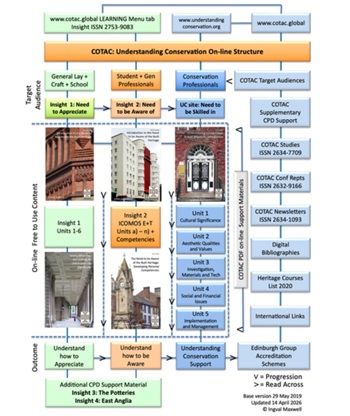
Building competence for the future of built heritage.
Building Regulations and Building Safety Act
CIOB publishes free advice for non-domestic clients.

Building Safety Newsletter from MHCLG.
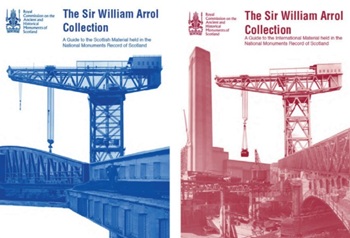
An extraordinary record of steel engineering worldwide.

Households living near new pylons to save on bills.

ECA warns growth must not outpace grid capacity or skills.
The role of the client and decision making

CIOB response to built environment professions call for evidence.
Construction's sustainability reporting revolution
Tracking upfront embodied carbon with digital tools.
ECA welcomes procurement reforms

Public spending must back British jobs and skills.
Campaigning for Edinburgh: the Cockburn Association 1875-2049
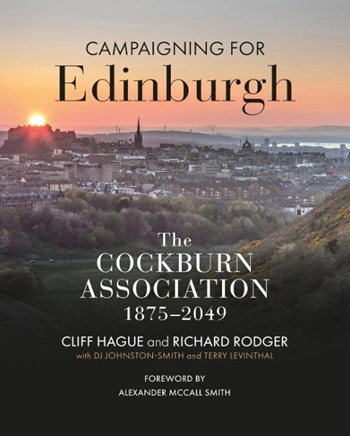
The role of the civic voice in protecting character. Book review.