





Biodiversity mitigation hierarchy

The mitigation hierarchy when applied to biodiversity, in particular biodiversity net gain (BNG), is a decision tree designed to help effectively manage the impact developments have on biodiversity, as such the principles and process of the biodiversity net gain procedures generally adopt the same approach.
The hierarchy forms an inverted triangle with the highest impact measures at the top (similar in principle to the waste hierarchy for construction) with avoidance the highest impact approach to be considered first and foremost, whilst as a last resort in some cases contributions to alternative biodiversity projects may be considered where other options are not possible. The 5 steps; Avoidance, Minimisation, Restoration, Offsetting and Contributions are described below.
- Avoiding the impacts on a development on biodiversity through location, scale or timing is the first priority.
- Minimising a developments impact on biodiversity through approach and design should be prioritised next.
- Restoring habitats damaged or degraded by a development such as replanting or reseeding next.
- Offsetting refers to compensating unavoidable impacts of development, possibly elsewhere on a different site.
- Contributing financially to wider conservation efforts is seen as a last but viable option in certain cases.
For further information see Natural England Biodiversity Metric 3 or visit BNG Q and A or BNG.gov
See also: Mitigation hierarchy.
[edit] Related articles on Designing Buildings
- Biodiversity in building design and construction
- Biodiversity in the urban environment.
- Biodiversity Gain.
- Biodiversity gain plan.
- Biodiversity gain site register.
- Biodiversity net gain consultation.
- Biodiversity net gain regulations and implementation.
- Biodiversity offsetting.
- Biodiversity units
- Biodiversity metric
- Biophilic design.
- BREEAM Enhancing site ecology.
- BREEAM Long term impact on biodiversity.
- Ecological network.
- Ecological impact assessment.
- Ecology.
- Environmental impact assessment.
- Geodiversity.
- Green infrastructure.
- Green roofs.
- Habitat.
- Habitat banks.
- Habitat management and monitoring plan HMMP.
- Local Nature Recovery Strategy LNRS.
- Mitigation hierarchy.
- Nature improvement area.
- Natural capital.
- Natural environment white paper.
- nature recovery network.
- Protected species.
- Sustainable development toolkit.
- The future of green infrastructure.
- Tree preservation order.
Featured articles and news
Homes, landlords. tenants and the new housing standards

What will it all mean?
The Architectural Technology podcast: Where it's AT

Catch-up on the latest episodes.
Edmundson Apprentice of the Year award 2026

Entries now open for this Electrical Contractors' Association award.
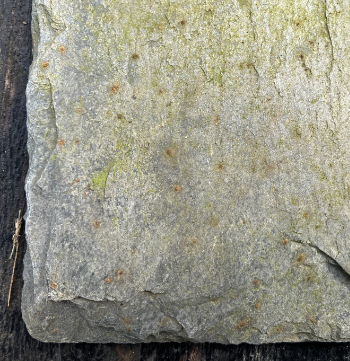
Traditional blue-grey slate from one of the oldest and largest UK slate quarries down in Cornwall.
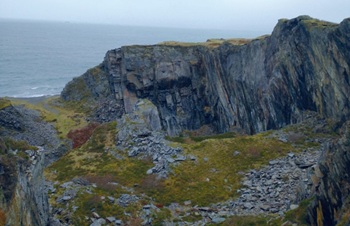
There are plenty of sources with the potential to be redeveloped.
Change of use legislation breaths new life into buildings

A run down on Class MA of the General Permitted Development Order.
Solar generation in the historic environment
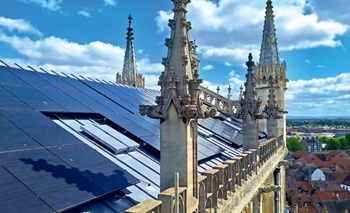
Success requires understanding each site in detail.
Level 6 Design, Construction and Management BSc

CIOB launches first-ever degree programme to develop the next generation of construction leaders.

Open for business as of April, with its 2026 prospectus and new pipeline of housing schemes.
The operational value of workforce health

Keeping projects moving. Incorporating unplanned absence and the importance of health, in operations.
A carbon case for indigenous slate
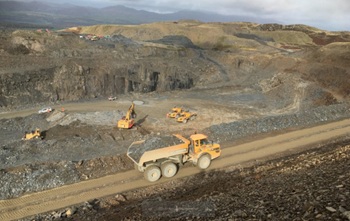
UK slate can offer clear embodied carbon advantages.
Costs and insolvencies mount for SMEs, despite growth

Construction sector under insolvency and wage bill pressure in part linked to National Insurance, says report.
The place for vitrified clay pipes in modern infrastructure
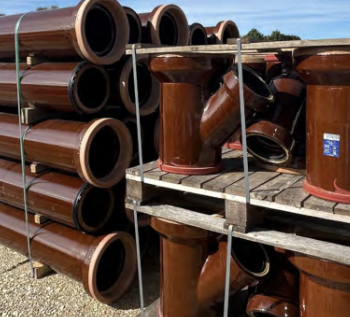
Why vitrified clay pipes are reclaiming their role in built projects.

Research by construction PR consultancy LMC published.
Roles and responsibilities of domestic clients

ACA Safety in Construction guide for domestic clients.
Fire door compliance in UK commercial buildings

Architect and manufacturer gives their low down.