






Automatic fire detection and alarm systems, an introductory guide to components and systems BR 510
BRE is the UK’s leading centre of expertise on the built environment, construction, energy use in buildings, fire prevention and control, and risk management.
Automatic fire detection and alarm systems: an introductory guide to components and systems (BR 510) was published by BRE on 12 October 2010. It was written by Robert Dudley and offers an introduction to automatic fire detection and alarm systems and how they are developed.
Automatic fire detection and alarm systems are a fairly recent addition to the range of equipment available to combat the threat of fire in buildings, creating an effective and reliable means of detecting fires and signalling an alarm to the occupants. By providing an early warning to the building management team, action can be taken to deal with the fire before it takes hold. Automatic fire detection and alarm systems have a good record of performance and have demonstrated they can be effective in reducing the risk to life and property damage from fire.
The guide discusses how to manage them in use, and ensure that regulatory requirements are met. It introduces the components that are used and the types of system that are available to designers.
The guide deals with fixed automatic fire detection and alarm systems installed in commercial and industrial buildings. It is aimed at building owners, building managers, specifiers, automatic fire detection and alarm equipment installers, maintenance companies, insurance surveyors, building control practitioners, fire safety officers, risk assessors, and fire and rescue service inspectors. It will also be of interest to anyone who needs to consider or deal with automatic fire detection and alarm systems.
Its contents include:
- Background and description.
- Types of system available.
- Detection and alarm devices.
- European standards applicable to the UK.
- False alarms and false alarm reduction.
- Ensuring compliance with standards, installation codes and legislation.
[edit] Related articles on Designing Buildings Wiki
- Access control.
- BS 8414-2: Fire performance of external cladding systems.
- CCTV.
- Commercial security systems.
- External fire spread, Supplementary guidance to BR 187 incorporating probabilistic and time-based approaches.
- Fire.
- Fire and rescue service.
- Fire dampers.
- Fire detection and alarm system.
- Fire detector.
- Fire door inspection scheme.
- Fire performance of external thermal insulation for walls of multistorey buildings, third edition (BR 135).
- Fire protection engineering.
- Fire safety design.
- Fire spread.
- Insurance.
- Intruder alarm.
- Joint fire code.
- Perimeter security.
- Smoke alarm.
- The Regulatory Reform (Fire Safety) Order 2005.
- Understanding the factors affecting flashover of a fire in modern buildings.
- Wet riser.
Featured articles and news
The sad story of Derby Hippodrome
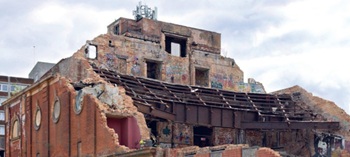
An historic building left to decay.

ECA, JIB and JTL back Fabian Society call to invest in skills for a stronger built environment workforce.

Women's Contributions to the Built Environment.
Calls for the delayed Circular Economy Strategy

Over 50 leading businesses, trade associations and professional bodies, including CIAT, and UKGBC sign open letter.
The future workforce: culture change and skill

Under the spotlight at UK Construction Week London.
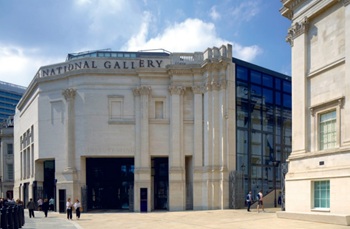
A landmark moment for postmodern heritage.
A safe energy transition – ECA launches a new Charter

Practical policy actions to speed up low carbon adoption while maintaining installation safety and competency.
Frank Duffy: Researcher and Practitioner

Reflections on achievements and relevance to the wider research and practice communities.
The 2026 Compliance Landscape: Fire doors

Why 'Business as Usual' is a Liability.
Cutting construction carbon footprint by caring for soil

Is construction neglecting one of the planet’s most powerful carbon stores and one of our greatest natural climate allies.
ARCHITECTURE: How's it progressing?
Archiblogger posing questions of a historical and contextual nature.
The roofscape of Hampstead Garden Suburb
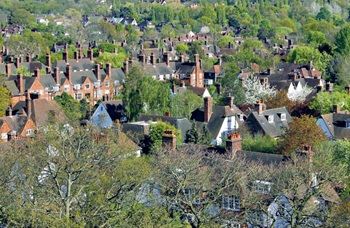
Residents, architects and roofers need to understand detailing.
Homes, landlords. tenants and the new housing standards

What will it all mean?
Comments