





Approved Document G
The first set of national building standards was introduced in 1965. The 'building regulations' establish standards that have to be achieved in the construction of buildings. They set out:
- What qualifies as ‘building work’ and so falls under the control of the regulations.
- What types of buildings are exempt.
- The notification procedures that must be followed when starting, carrying out, and completing building work.
- Requirements for specific aspects of building design and construction.
The 'approved documents' provide guidance for satisfying the requirements of the building regulations in common building situations.
Approved Document G (Sanitation, hot water safety and water efficiency) provides guidance on:
- G1: Cold water supply.
- G2: Water efficiency.
- G3: Hot water supply and systems.
- G4: Sanitary conveniences and washing facilities.
- G5: Bathrooms.
- G6: Food preparation areas.
- Appendix A: Water efficiency calculator for new dwellings.
- Appendix B: Wholesome water.
The 2015 edition of Approved Document G includes new water efficiency requirements and introduces an ‘optional’ standard of 110 litres/person/day where required by planning permission, and an alternative fittings-based approach to demonstrating compliance. It also includes a water-efficiency calculation methodology for new dwellings.
The 2015 edition replaced the amended 2010 edition on 1 October 2015. The amended 2010 edition will continue to apply to work started before 1 October 2015 or work subject to a building notice, full plans application or initial notice submitted before that date.
[edit] Related articles on Designing Buildings
- Achieving sustainable clean water infrastructure for all.
- A guide to installing thermostatic mixing valves: what, why and how.
- Approved documents.
- Approved Document H.
- Bath.
- Bathroom definition.
- Blackwater.
- Building regulations.
- Earth closet.
- ECA Water Scheme.
- Greywater.
- Hot water.
- Hot water safety.
- Lavatory.
- Non-wholesome water.
- Passive water efficiency measures.
- Rainwater harvesting.
- Sanitary accommodation.
- Sanitaryware.
- Shower.
- Sink.
- Types of sanitary appliances.
- Types of showers.
- Types of water.
- Urinal.
- Water closet.
- Water consumption.
- Water meter.
Featured articles
Check out some of the best features and news from Designing Buildings as well as key stories from around the web.
Construction Management, 10 June

24 months to 14: CITB launches accelerated apprenticeships.
Bridging the gap between clients and contractors

Concerns remain around contractor quality, capability, and delivery.
Construction Management, 10 June.
Heat pumps beat boilers in new home tests.
Building Safety Act implementation in Wales

CIAT to host industry panel on 26 June.

New and updated CLC building safety guidance.
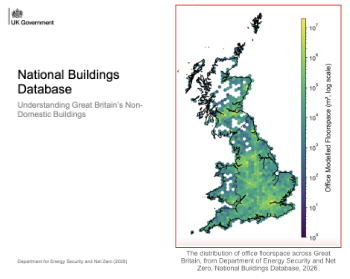
New UK National Buildings Database.
Building Safety Wiki Interviews

Chief executive of the British Woodworking Federation.
Planning condition discharge in England and Wales

A brief explanation from a building compliance expert, with further links.
Overheating guidance and tools for building designers

Guidance for dealing with element of building fabric control that have increasing importance.
Shading for housing, a design guide

From the Good Homes Alliance and British Blind and Shutter Association.
UK Standard Skills Classification (SSC)

A shared framework for describing skills needs.