






A traceability framework for the construction supply chain

A Traceability Framework has been developed to help with the complex process of tracing the source, production and distribution of construction products, and verifying the claims made about them.
Many construction products have long and complex journeys before reaching their end consumers, who often know little about the origins of the products, or the circumstances in which they are sourced, produced and distributed.
Traceability involves knowing where products come from, their journeys through supply chains and the conditions within those supply chains. Tracing helps to verify claims made about the products, such as that they are manufactured without workforce exploitation (for example without using modern slavery), and about their embodied carbon and life-cycle energy use, quality and so on.
Traceability is established in the automotive, pharmaceutical and food sectors, but little is known about traceability in construction. A BRE Trust supported PhD research study by Asselya Katenbayeva at Loughborough University, has been conducted in response to this gap in our knowledge. It has investigated how traceability is understood and implemented by contractors and manufacturers, and developed and validated a Traceability Framework for the construction sector.
The study revealed the critical role of responsible sourcing and supply chain sustainability for driving traceability in construction. However, a lack of supplier collaboration and information exchange, stemming from the fragmented and complex nature of the construction sector, hinder traceability. This is compounded by the absence of regulations governing traceability, and low awareness of its benefits, scope and implementation.
On the other hand, the development of digital technologies offers the potential for traceability to optimise product supply chain processes, improve product quality management and facilitate the circular use of products in the construction sector.
A Traceability Framework has been developed to provide a holistic way of understanding the complex process of tracing products within construction. It was validated with contractors, manufacturers and other construction sector stakeholders. The framework can be a starting point for construction companies developing their own company-specific traceability strategy.
Asselya was supervised by Dr Chris Goodier, Dr Peter Demian and Prof Karli Glass at Loughborough University, and Dr Shamir Ghumra at BRE. For more information on the Traceability Framework contact Asselya ([email protected]) or access the paper.
[edit] Related articles on Designing Buildings Wiki
- Action programme for responsible and ethical sourcing.
- BES 6001 Responsible sourcing of construction products.
- BRE articles.
- BRE Trust.
- BREEAM recognised responsible sourcing certification schemes.
- BREEAM Responsible Sourcing of Materials.
- Building Research Establishment.
- Chain of custody.
- Point of supply.
- Traceability.
Featured articles and news
Costs and insolvencies mount for SMEs, despite growth

Construction sector under insolvency and wage bill pressure in part linked to National Insurance, says report.
The place for vitrified clay pipes in modern infrastructure
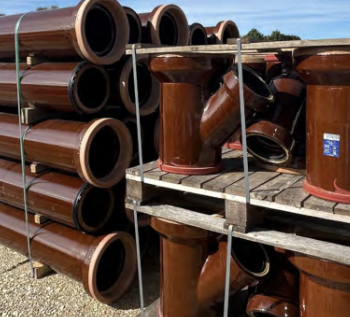
Why vitrified clay pipes are reclaiming their role in built projects.
Research by construction PR consultancy LMC published.
Roles and responsibilities of domestic clients

ACA Safety in Construction guide for domestic clients.
Fire door compliance in UK commercial buildings

Architect and manufacturer gives their low down.
Plumbing and heating for sustainability in new properties

Technical Engineer runs through changes in regulations, innovations in materials, and product systems.
Awareness of the Carbon Border Adjustment Mechanism
What CBAM is and what to do about it.
The new towns and strategic environmental assessments
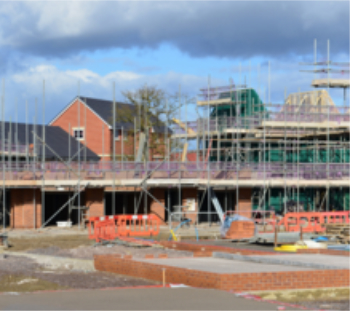
12 locations of the New Towns Taskforce reduced to 7 within the new towns draft programme and open consultation.
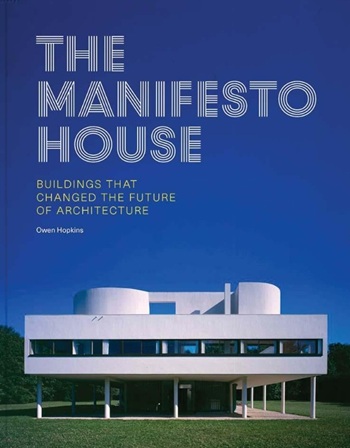
Buildings that changed the future of architecture. Book review.
The Sustainability Pathfinder© Handbook
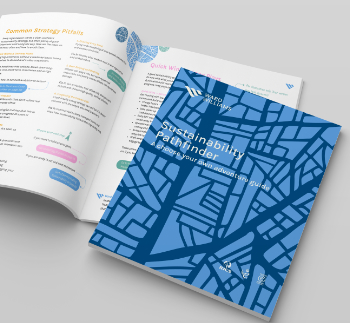
Built environment agency launches free Pathfinder© tool to help businesses progress sustainability strategies.
Government outcome to the late payment consultation, ECA reacts.
IHBC 2025 Gus Astley Student Award winners
Work on the role of hewing in UK historic conservation a win for Jack Parker of Oxford Brookes University.
Future Homes Building Standards and plug-in solar
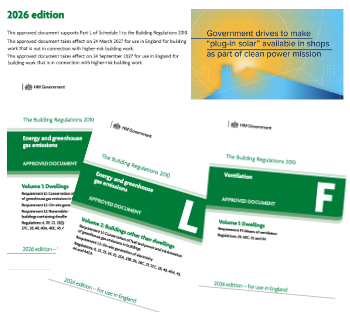
Parts F and L amendments, the availability of solar panels and industry responses.
How later living housing can help solve the housing crisis

Unlocking homes, unlocking lives.
Preparing safety case reports for HRBs under the BSA
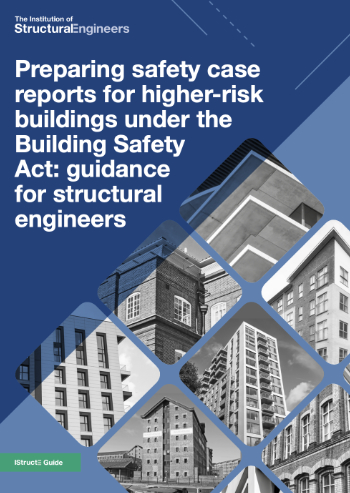
A new practical guide to preparing structural inputs for safety cases and safety case reports published by IStructE.
Male construction workers and prostate cancer

CIOB and Prostate Cancer UK encourage awareness of prostate cancer risks, and what to do about it.