





Glass reinforced concrete

Glass reinforced concrete (GRC), or glass-fibre reinforced concrete (GFRC), is a construction material that is commonly used to form exterior cladding panels. It has grown in popularity with architects and engineers because of its ability to be formed into virtually any size, shape or profile (such as the Heydar Aliyev Center pictured above).
GRC is composed from high-strength, alkali-resistant glass fibres embedded in a concrete matrix. The fibres act as the principal load-carrying component, while the surrounding matrix keeps them in position, and transfers load between the fibres. Both fibres and matrix are capable of retaining their physical and chemical identities, while combining their properties to create a high-performance composite.
GRC is typically manufactured in thin sections, by machine-spraying an enriched ordinary Portland cement and aggregate mix with glass fibres dispersed throughout. These fibres serve a similar purpose to steel rebar in reinforced concrete, but are not susceptible to rust.
GRC panels are often used as a lightweight cladding system, and can be made to look almost identical to natural stone. Installation is easier and more cost-effective due to the lower weight of the panels, which is approximately 80% lighter than pre-cast steel reinforced concrete cladding. This enhances the energy efficiency of GRC , and it is capable of achieving a BREEAM A+ material rating.
Panel moulds can be created to replicate complex profiles. The panels are generally take a ribbed or sandwich form, and offer good durability, fire resistance, weather resistance, and sound insulation properties.
[edit] Related articles on Designing Buildings
Featured articles
Check out some of the best features and news from Designing Buildings as well as key stories from around the web.

The real barrier to getting more value from digital technology.

Your guide to The Construction Reset at UKCW Birmingham.

Accommodating the Victorian and Edwardian working woman. Book review.
Rethinking passive fire protection in design
PFP demands the same level of design rigour as structure or services.
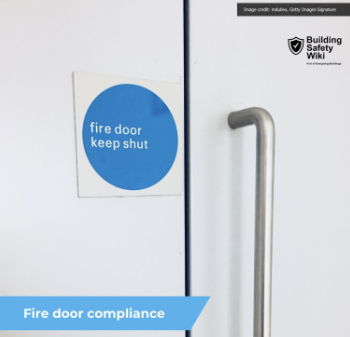
38% of Gen Zs feel safe when a fire door is wedged open.
Stunning images from around the world
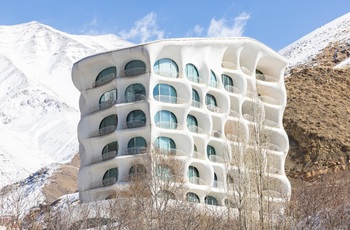
Shortlist for CIOB’s Art of Building photography competition.

Guidance for conversion of traditional pre-1919 stone buildings.
Industrial heritage in the Ruhr
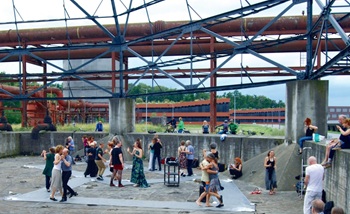
A marked difference to the fate of industrial landscapes in the UK.
Communities will be able to build their own clean energy.
Why diversity and inclusion matters for SMEs

CIOB’s D&I Charter shows how practical changes can support long-term growth.
Cut electricity bills to power growth

Coalition sends joint letter to the Chancellor.

Gasholders: a history in pictures. Book review.
Comments
Please write in detail about glass reinforcement concrete.Concrete features and and function are not defined, pl. define..You are also requested to define chemical and mechanical properties.
Thanks and regards
J.C.Sharma
Thank you for the comment. As an open wiki we generally don't add text in response to specific demands but anyone is able to add to a page, yourself included, we check that changes are appropriate. I will add this page to articles needing work list, which we work through when we can.
Best Regards
Editor