





Rafter

|
A rafter is a structural component that is used as part of a roof construction. Typically, it runs from the ridge or hip of the roof to the wall plate of the external wall. Rafters are generally laid in series, side by side, providing a base to support roof decks, roof coverings and so on.
Rafters are typically made of timber or steel and can be concealed within the roof structure, or can be left exposed to the spaces below. The may have battens laid on top of and perpendicular to them, to fix the roof covering to.
Rafters can be used as a key component of various types of roof design. The couple roof comprises two rafters leaning against each other, tied where they meet at the top. The rafters sit on a wall plate which is an efficient means of spreading the load exerted by the roof structure down through the walls without creating pressure points where each rafter meets the wall.
A closed couple roof adds ceiling joists running horizontally between the rafter feet, to support a ceiling and to make the structure much more rigid.
In order to increase potential roof spans without compromising wall stability, increasing rafter sizes or attracting extra costs, purlins were introduced. These run perpendicular to rafters, providing additional stiffness. By installing a purlin into the roof structure, rafters no longer needed to be as thick and heavy, allowing larger potential spans.
In modern house construction, the most common form of rafter is known as the fink or 'w' trussed rafter. This consists of a rafter incorporating tension and compression members in the shape of a W. This is capable of spans up to 12 m and can be designed to accommodate many different pitch angles.
For more information see: Trussed rafters
The most common types of rafter include:
- Principal rafter: Usually the largest type of rafter located at the ends of a roof structure.
- Common rafter: Smaller rafters located in between the principals at both ends.
- Auxiliary rafter: Less common but can be used to support and reinforce a principal rafter.
- Compass rafter: Curved or bowed at the top or at both the top and bottom surfaces.
- Curb rafter: The upper rafters in a gambrel or Mansard roof.
- Hip rafter: Smaller rafters used for the corners of a hip roof.
- King rafter: On the side of a hip roof, a king rafter is the longest and is in line with the ridge.
- Valley rafter: The main rafter that is found at the lowest point of a valley roof.
- Jack rafter: A rafter that is shortened by landing on a hip rafter or being interrupted by a dormer window.
- Barge rafter: On a gable end this is the outermost rafter and is sometimes used to form a roof overhang.
[edit] Related articles on Designing Buildings Wiki
Featured articles
Check out some of the best features and news from Designing Buildings as well as key stories from around the web.

Why construction can't afford to ignore the skills gap.
Building Safety Regulator, 19 August

Gill Kernick appointed Independent Chair of Residents’ Panel.
Connecting knowledge, technology and conservation
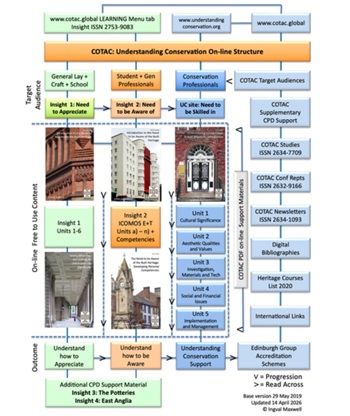
Building competence for the future of built heritage.
Building Regulations and Building Safety Act

CIOB publishes free advice for non-domestic clients.

Building Safety Newsletter from MHCLG.

An extraordinary record of steel engineering worldwide.

Households living near new pylons to save on bills.

ECA warns growth must not outpace grid capacity or skills.
The role of the client and decision making

CIOB response to built environment professions call for evidence.
Construction's sustainability reporting revolution
Tracking upfront embodied carbon with digital tools.
ECA welcomes procurement reforms

Public spending must back British jobs and skills.
Campaigning for Edinburgh: the Cockburn Association 1875-2049

The role of the civic voice in protecting character. Book review.