





National Theatre

Designed by Denys Lasdun and completed in 1976, the National Theatre is one of London's best-known Brutalist buildings. It is also one of the most divisive, described by Prince Charles as like "a nuclear power station".
Standing on the South Bank of the Thames, the concrete building is formed by two fly towers rising from layered horizontal terraces cascading to river level. The design was based on Lasdun's ideas for 'architecture as urban landscape.'
The vast structure accommodates three theatres, the largest of which is capable of seating 1,160 people, as well as restaurants, bars, foyers, workshops and so on.

Lasdun was appointed as architect on the project in 1963, and although he had no prior experience in theatre design, he persuaded the board of directors and others to let him realise his singular vision.
He described the early design process as being evolutionary in nature, shaped through consultations. His intention was for the strata of the building – with interconnected walkways, split levels and circular stairwells - to merge with the South Bank, making it unclear where the theatre begins and ends.
The construction work was carried out by Sir Robert McAlpine. The rough-cast concrete surface of the theatre’s interior and exterior retains the imprints of the timber planks used as formwork. Lasdun said; "Concrete is a very intractable material, but it can be a beautiful material if it is used in the way its own nature intends it to be used... It is a sort of sculpture that you can only do with reinforced concrete, but you need to work to a certain scale... It is not a cosy little material."
In 1994, just 18 years after the building was completed and opened to the public,it was granted Grade II listing status. Despite this, it has remained a divisive addition to London’s architecture, being revered and derided in equal measure.

However, some opinions have evolved with time. Most notably, with regard to the skateboarders who adopted the terraces and undercrofts as a graffiti-strewn skate park. Often cited as evidence of the theatre’s failed architecture, in 2014-15 it was saved from redevelopment after a successful and high-profile campaign promoted it as being ‘one of the great spaces of London.
[edit] Find out more
[edit] Related articles on Designing Buildings Wiki
Featured articles and news
New Scottish and Welsh governments
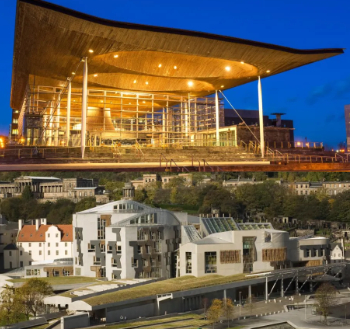
CIOB stresses importance of construction after new parliament elections.
The sad story of Derby Hippodrome
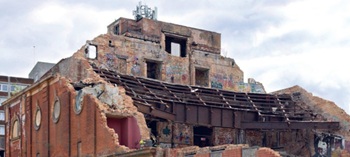
An historic building left to decay.

ECA, JIB and JTL back Fabian Society call to invest in skills for a stronger built environment workforce.
Women's Contributions to the Built Environment.
Calls for the delayed Circular Economy Strategy
Over 50 leading businesses, trade associations and professional bodies, including CIAT, and UKGBC sign open letter.
The future workforce: culture change and skill

Under the spotlight at UK Construction Week London.
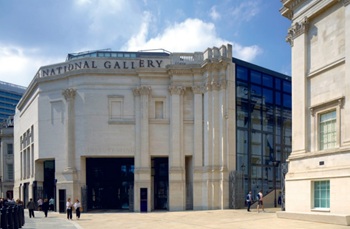
A landmark moment for postmodern heritage.
A safe energy transition – ECA launches a new Charter

Practical policy actions to speed up low carbon adoption while maintaining installation safety and competency.
Frank Duffy: Researcher and Practitioner
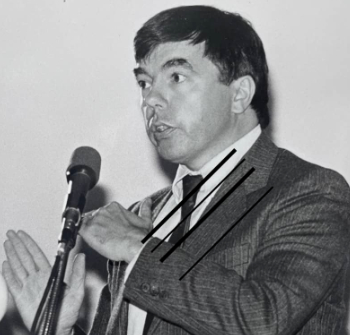
Reflections on achievements and relevance to the wider research and practice communities.
The 2026 Compliance Landscape: Fire doors

Why 'Business as Usual' is a Liability.
Cutting construction carbon footprint by caring for soil

Is construction neglecting one of the planet’s most powerful carbon stores and one of our greatest natural climate allies.
ARCHITECTURE: How's it progressing?
Archiblogger posing questions of a historical and contextual nature.
The roofscape of Hampstead Garden Suburb
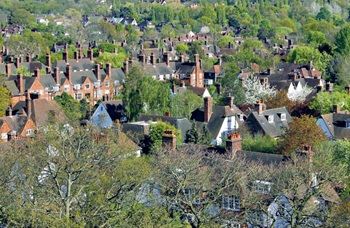
Residents, architects and roofers need to understand detailing.
Homes, landlords. tenants and the new housing standards

What will it all mean?