






How do platform lifts work?
Contents |
[edit] Introduction
Platform lifts allow a platform to rise up and down and are typically used for disabled access. They can be installed indoors or outdoors and offer access where passenger lifts cannot be installed. A platform lift can take a number of different forms, but primarily they are used in low-rise buildings due to potential building restrictions. They are cost-effective, easy to install.

[edit] Types of platform lifts
[edit] Step lift (vertical platform lift)
These lifts can be installed on the side of a step or steps to help the user to access another level whilst leaving the steps clear for other users. They provide travel up to one metre and can be used internally or externally.
[edit] Incline stair lift
These lifts enable wheelchair users to access the next storey using a stairlift with a level platform. The platform is fixed to a diagonal runner at the wall side of the staircase. They can be installed virtually anywhere, indoors and outdoors, and can be placed in straight or curved staircases with several landings or turns.
[edit] Vertical platform lift
Vertical platform lifts are similar to traditional enclosed lifts; however, they do not have the same capacity, speed or travel height as commercial lifts, making them better suited to domestic dwellings or smaller commercial buildings. The lift is self-supporting and requires limited building alterations compared with traditional lifts. It is secured to a wall and can be versatile in terms of design.
[edit] How do they work?
There are three main types of platform lift drive systems, each suited to different specifications, and each with their own advantages and disadvantages. Modern platform lifts are operated using electronic controls which send signals to a central processor unit. This unit initiates the motors or pumps to move the platform between levels.
[edit] Hydraulic drive system
For this system, the lift platform is attached to a hydraulic ram. To move the lift, hydraulic fluid is pushed via a pump from a central reservoir into the ram. The pressure extends the ram and causes the lift to rise; the flow is then reversed to lower the lift.
The main disadvantage to this system is that the mechanism requires extra space, and sometimes the hydraulic fluid can give off an odour in hot weather.
[edit] Screw and nut drive system
This lift utilises a steep screw pole which runs the length of the shaft. A motor on the platform drives a nut attached to the screw. When the motor turns the nut, the lift will go either up or down, depending on the direction it is turning. Installing this system often requires a supporting wall, especially on longer travel lifts, to stabilise the unit.
The disadvantage to this system is that the thread on the screw and drive nut is susceptible to wear and tear, requiring routine lubrication, often by a self-lubricating system.
[edit] Encapsulated chain drive system
The final system is the encapsulated chain drive system. This system makes use of a chain which is encased in a highly-durable polyurethane plastic casing which guides the chain and ensures it does not slip. A motor and gearbox turn a driveshaft which the chain is attached to. As the driveshaft rotates, the chains are either pulled or pushed, moving the platform up or down.
The advantage of this system is that its durability allows a much longer guarantee on the drive system.
--Nathan Massey 09:25, 20 Jul 2018 (BST)
[edit] Related articles on Designing Buildings Wiki
Featured articles and news
A safe energy transition – ECA launches a new Charter

Practical policy actions to speed up low carbon adoption while maintaining installation safety and competency.
Frank Duffy: Researcher and Practitioner

Reflections on achievements and relevance to the wider research and practice communities.
The 2026 Compliance Landscape: Fire doors
Why 'Business as Usual' is a Liability.
Cutting construction carbon footprint by caring for soil
Is construction neglecting one of the planet’s most powerful carbon stores and one of our greatest natural climate allies.
ARCHITECTURE: How's it progressing?
Archiblogger posing questions of a historical and contextual nature.
The roofscape of Hampstead Garden Suburb

Residents, architects and roofers need to understand detailing.
Homes, landlords. tenants and the new housing standards
What will it all mean?
The Architectural Technology podcast: Where it's AT

Catch-up on the latest episodes.
Edmundson Apprentice of the Year award 2026

Entries now open for this Electrical Contractors' Association award.
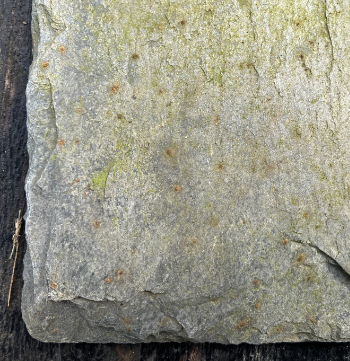
Traditional blue-grey slate from one of the oldest and largest UK slate quarries down in Cornwall.

There are plenty of sources with the potential to be redeveloped.
Change of use legislation breaths new life into buildings

A run down on Class MA of the General Permitted Development Order.
Solar generation in the historic environment
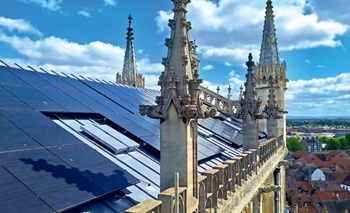
Success requires understanding each site in detail.
Level 6 Design, Construction and Management BSc

CIOB launches first-ever degree programme to develop the next generation of construction leaders.

Open for business as of April, with its 2026 prospectus and new pipeline of housing schemes.
The operational value of workforce health
Keeping projects moving. Incorporating unplanned absence and the importance of health, in operations.
A carbon case for indigenous slate
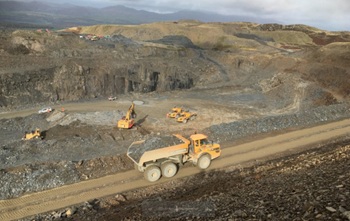
UK slate can offer clear embodied carbon advantages.
Costs and insolvencies mount for SMEs, despite growth
Construction sector under insolvency and wage bill pressure in part linked to National Insurance, says report.