





Health and wellbeing impacts of natural and artificial lighting
In August 2015, BRE Trust published ‘Lighting and health’, a report on the health and wellbeing impacts of natural and artificial lighting.
In the report, researchers from BRE and from universities in Istanbul and Eindhoven reviewed recent studies into the type, quality and patterns of lighting in buildings and their impact on issues other than safety and providing enough illumination to see. It includes assessment of:
- The effects of lighting on health and mood.
- The importance of the variation of light levels from day to night to maintain the circadian cycle in the body, which can determine patterns of alertness, co-ordination, blood pressure and cardiovascular efficiency.
- The use of bright artificial light to give similar benefits to the natural lighting cycle.
- The flickering of fluorescent lighting with magnetic ballasts and some light-emitting diodes (LEDs), which can cause headaches, eyestrain or epileptic seizures and can exacerbate the symptoms of autism and agoraphobia.
- High frequency fluorescent lighting and different types of LEDs, which can avoid these problems.
- Whether special lighting can help people with dementia.
Lighting and Health concludes with recommendations for building managers and occupants, for designers, and for elderly or visually impaired people.
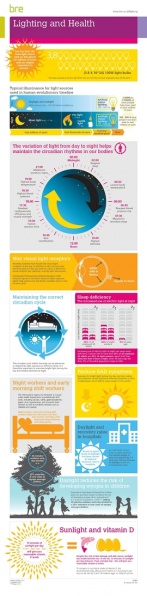
The report is supported by a lighting and health infographic summarising some of the key issues.
The contents of the report are:
- Acronyms.
- Executive summary.
- Safe, healthy lighting for tasks.
- Circadian and seasonal rhythms.
- Optical hazards.
- Light exposure to skin.
- Indirect impacts.
- Special types of lighting.
- Recommendations.
- References.
- Further reading.
Notes:
The BRE Trust was set up in 2002 to advance knowledge, innovation and communication for public benefit. It is the largest UK charity dedicated to research and education in the built environment, commissioning research and publishing project findings to provide authoritative guidance to the construction industry. All profits made by the BRE Group are gift aided to the Trust to fund research and education programmes.
--BRE
[edit] Related articles on Designing Buildings Wiki
- 7 ways better lighting can improve your health.
- Adequate lighting.
- Aspects of daylighting design covered by EN 17037.
- Building Research Establishment.
- BRE Trust.
- BRE articles.
- Choosing the correct glazed facade heating system.
- CIBSE Case Study Hepworth Gallery Lighting.
- Circadian rhythms.
- Commercial lighting.
- Daylight lighting systems.
- Daylight benefits in healthcare buildings.
- Designing daylight solutions for commercial buildings.
- EN 17037 Daylight in buildings.
- Human-centric lighting.
- Light Pollution - Human Health Impacts from LEDs.
- Light shelf.
- Lighting.
- Lighting and health FB 74.
- Lighting and offices.
- Lighting control.
- Lighting designer.
- Lighting for circadian rhythms.
- Natural light.
- The daylight factor.
- The essential guide to retail lighting.
- Types of lighting.
- Types of building EN 17037 applies to.
Featured articles
Check out some of the best features and news from Designing Buildings as well as key stories from around the web.
Listed structures on the rail network
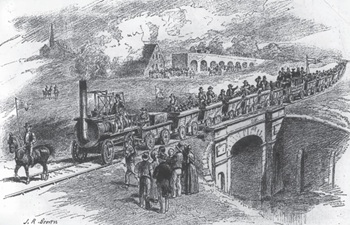
Heritage interests and operational requirements must be balanced.
Historic England publishes research into embodied carbon when retrofitting traditional buildings.
New Prime Minister delivers on ECA call for cut in electricity costs.

CIOB reacts to the announcement of Andy Burnham as Prime Minister.

Heritage and conservation science workforce survey - Have your say.
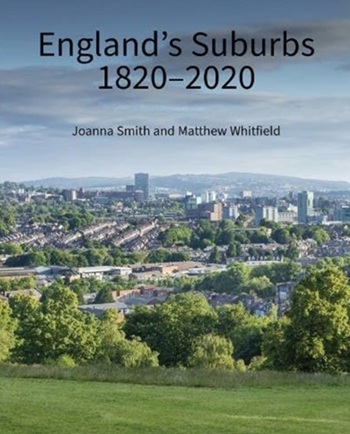
England's Suburbs 1820-2020. Book review.

New, more proportionate and targeted approach for higher-risk building assessments.
Government brings British Steel into public ownership.
UKCW Birmingham returns with bold new theme and focus.
New guidance published on competence requirements for self-certification schemes.
Construction Management, 8 July
NEETs crisis drives interest in trades, but apprenticeships barriers remain.
Passive fire protection webinar
MEP services penetration seals.