





What is an EPC contract?
Contents |
[edit] Introduction
An engineering, procurement and construction (EPC) contract is sometimes referred to as a turnkey contract, although there are some differences between the two.
- In an EPC contract, the project company will do some basic engineering before handing over the project to the contractor. In a turnkey contract, the owner would specify certain technical aspects of the project, and then the turnkey contractor will have all the project controls until the contract is complete.
- A turnkey contractor is responsible for the design, procurement and construction of the project. The contractor is also responsible for commissioning and handing over the ready-to-use project to the owner or the client. In EPC, the commissioning is not a part of the contract as in a turnkey contract.
[edit] Engineering or designing aspects of an EPC contract
The design duties of EPC contractors are:
- Basic engineering.
- Detailed engineering.
- Detailed design.
- Planning.
- Construction engineering.
- Civil engineering.
[edit] Procurement aspects of an EPC contract
The responsibilities in procurement are:
- Logistics.
- Transportation.
- Purchasing.
- Invoicing.
- Receiving the materials.
[edit] Construction aspects of an EPC contract
The functions involved in the construction of a project are:
- An EPC contractor handles the design and construction management.
- Electrical installation.
- Water supply.
- Sanitation and drainage work.
- Carving cupboards and showcases.
[edit] Advantages of an EPC contract
By choosing an EPC contractor, the project owner may have several advantages, including:
- Single point of responsibility.
- Fixed contract price
- Fixed completion date
- Set performance specification.
- Performance guarantees.
- Security.
- Caps on liability.
- Rights to suspend the project.
- Flexibility in ordering variations.
- Force majeure
[edit] Limitations of an EPC contract
Like any other contract, an EPC contract also has some limitations. These include:
[edit] Difference between EPC and EPCM contracts
The definition of EPCM is engineering, procurement, construction and management. Although it sounds similar to an EPC project, an EPCM contract is very different from the former. An EPC contractor handles design, procurement, construction and hands over the project to the end-user. By comparison, the EPCM contractor is mainly concerned with the supervision of the project, although an EPCM contractor is also responsible for the detailed design and the overall project management.
See also: Engineering procurement and construction contract.
[edit] Related articles on Designing Buildings
Featured articles
Check out some of the best features and news from Designing Buildings as well as key stories from around the web.
Leaders in Learning for Practice Network

Call for conservation leaders in learning to register interest in new network.
The importance of early engagement

Construction lessons from the Trillium HealthWorks Experience Centre.
Mayors are to be given planning call in powers

Mayors across England will be able to make the most important planning decisions.

The Master Builder: William Butterfield and his times. Book review.

Why construction can't afford to ignore the skills gap.
Building Safety Regulator, 19 August

Gill Kernick appointed Independent Chair of Residents’ Panel.
Connecting knowledge, technology and conservation
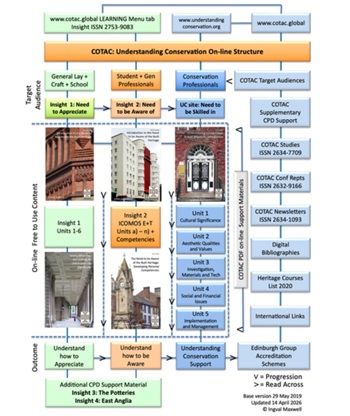
Building competence for the future of built heritage.
Building Regulations and Building Safety Act

CIOB publishes free advice for non-domestic clients.

Building Safety Newsletter from MHCLG.
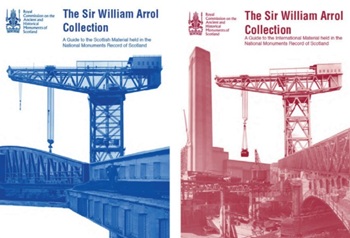
An extraordinary record of steel engineering worldwide.

Households living near new pylons to save on bills.

ECA warns growth must not outpace grid capacity or skills.