






Welfare facilities on construction sites
Contents |
[edit] Introduction
There is a legal duty under The Workplace (Health, Safety and Welfare) Regulations 1992, as amended by The Construction (Design and Management) Regulations (CDM Regulations) to ensure that appropriate and adequate welfare facilities are provided at most workplaces.
The provision of welfare facilities should be considered at the planning stages of a project to ensure they are appropriately located.
The CDM regulations require that contractors, as far as is reasonably practicable, provide welfare facilities which meet the minimum requirements set out in Schedule 2 of the regulations for their own employees working on site or anyone else working under their control.
On projects where there is more than one contractor, the client and the principal contractor have a similar duty to ensure suitable and sufficient welfare facilities are provided for before any construction work starts and for the duration of the construction work. The principal contractor should liaise with other contractors involved in the project to ensure appropriate welfare facilities are provided. This should continue throughout the construction phase to take account of any changes which might change the requirement for the provision of welfare facilities.
Schedule 2 of the regulations suggests that the minimum welfare facilities required includes:
- Sanitary conveniences
- Washing facilities
- Drinking water
- Changing rooms and lockers
- Facilities for rest.
[edit] Sanitary conveniences
Clean and tidy toilets (sanitary conveniences) should be provided at easily accessible locations. They should have adequate ventilation and lighting. Ideally, separate male and female toilets should be provided but if this is not possible, as a minimum, rooms with lockable doors are required.
[edit] Washing facilities
Clean and tidy washing facilities with sufficient ventilation and lighting are required next to both toilets and changing areas with the following:
- Hot and cold running water.
- Soap or other cleaning agents.
- Towels or another method for drying hands.
- Showers may be required depending on the nature of the works.
Ideally, separate male and female facilities should be provided but if this is not possible, as a minimum, rooms with lockable doors are required.
[edit] Drinking water
An adequate supply of suitably signed drinking water is required, with suitable cups or other drinking vessels, unless the supply of drinking water is in a jet from which can be drunk easily.
[edit] Changing rooms and lockers
If employees are required to change into specialist clothing, separate male and female changing facilities are required with seating and secure areas for storing personal clothing and protective clothing. In addition facilities for drying wet clothing are required.
[edit] Rest facilities
Adequately heated rest facilities with the appropriate number of seats and tables are required, along with a method for heating drinks and warming food. Where necessary, they should include suitable facilities for a pregnant woman or a nursing mother to rest lying down.
[edit] Related articles on Designing Buildings Wiki
Featured articles and news
Costs and insolvencies mount for SMEs, despite growth

Construction sector under insolvency and wage bill pressure in part linked to National Insurance, says report.
The place for vitrified clay pipes in modern infrastructure
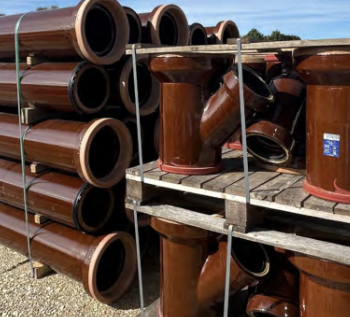
Why vitrified clay pipes are reclaiming their role in built projects.

Research by construction PR consultancy LMC published.
Roles and responsibilities of domestic clients

ACA Safety in Construction guide for domestic clients.
Fire door compliance in UK commercial buildings

Architect and manufacturer gives their low down.
Plumbing and heating for sustainability in new properties
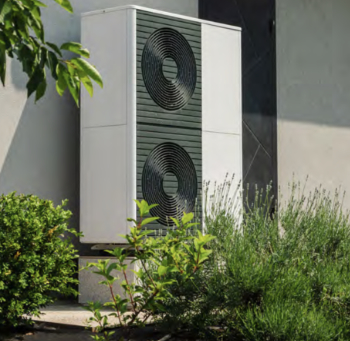
Technical Engineer runs through changes in regulations, innovations in materials, and product systems.
Awareness of the Carbon Border Adjustment Mechanism
What CBAM is and what to do about it.
The new towns and strategic environmental assessments
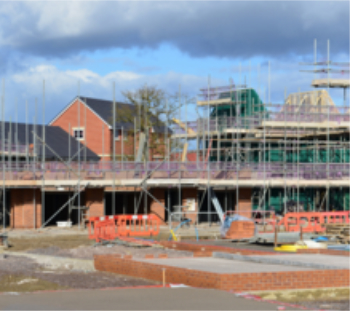
12 locations of the New Towns Taskforce reduced to 7 within the new towns draft programme and open consultation.

Buildings that changed the future of architecture. Book review.
The Sustainability Pathfinder© Handbook
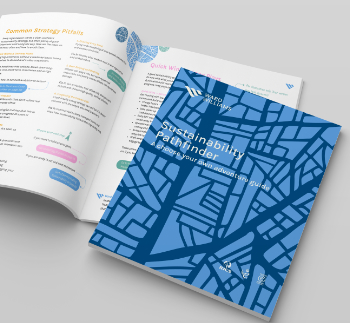
Built environment agency launches free Pathfinder© tool to help businesses progress sustainability strategies.

Government outcome to the late payment consultation, ECA reacts.
IHBC 2025 Gus Astley Student Award winners
Work on the role of hewing in UK historic conservation a win for Jack Parker of Oxford Brookes University.
Future Homes Building Standards and plug-in solar
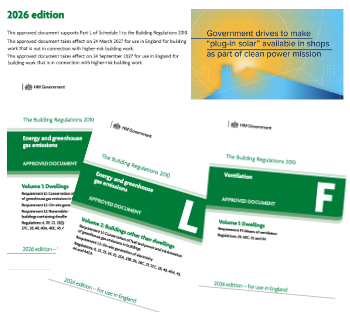
Parts F and L amendments, the availability of solar panels and industry responses.
How later living housing can help solve the housing crisis
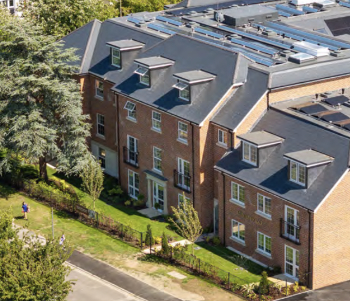
Unlocking homes, unlocking lives.
Preparing safety case reports for HRBs under the BSA
A new practical guide to preparing structural inputs for safety cases and safety case reports published by IStructE.
Male construction workers and prostate cancer

CIOB and Prostate Cancer UK encourage awareness of prostate cancer risks, and what to do about it.