






The Biophilic Office

The World Health Organisation expects stress-related illnesses such as mental health disorders and cardio-vascular disease to be the two largest contributors to disease by 2020. As 90% of people's lives is spent in buildings, this means the built environment can play a significant part in preventing ill health and promoting a positive approach to health and wellbeing.
Biophilia (meaning a love of nature) focuses on a human’s innate attraction to nature and natural processes. American biologist and researcher Edward O. Wilson introduced and popularised this hypothesis in his book, 'Biophilia' (1984) defining this as 'the urge to affiliate with other forms of life'.
Biophilic design uses these ideas as principles to create a human-centred approach that when applied improves many of the spaces that are lived and worked in today, with numerous benefits to health and wellbeing.
Incorporating direct or indirect elements of nature into the built environment have been demonstrated to reduce stress, blood pressure levels and heart rates, whilst increasing productivity, creativity and self-reported rates of wellbeing.
In May 2017, BRE announced that they are working closely with architect and interior designer Oliver Heath on a project to evaluate the value of biophilic design to the workplace environment. The project consists of a plan to take a tired and aging 1980s office building on the BRE campus and refurbish it according to biophilic design principles.
The project is named The Biophilic Office and will show how quantified improvements in productivity and wellness can bring rewards for landlords, occupiers, developers and all those concerned with the office environment.
Researchers will carry out a year of pre-refurbishment and a year of post-refurbishment monitoring, evaluating the office environment for daylight, lighting, indoor air quality, acoustic, thermal and humidity comfort. Office occupants will undergo a confidential health evaluation, sign up to a series of online questionnaires and surveys and receive wearable technology to monitor key health metrics.
A design strategy will be developed including tiers of interventions in zones within the office. The products used will undergo laboratory evaluation to establish whether a health and wellbeing potential can be quantified at products level.
This article was originally published here on 9 May 2017 by BRE Buzz. It was written by Simon Guy.
--BRE Buzz
[edit] Related articles on Designing Buildings Wiki
- All about wellness.
- BRE Buzz articles on Designing Buildings Wiki.
- Biophilia and building design.
- Biophilic design.
- Biophilic design and sustainability.
- Biophilic design research.
- Biophilic design - why it matters.
- Biophilic gym.
- Building related illness.
- Green infrastructure.
- Health and productivity in sustainable buildings.
- Temple Farm Development.
- Wellbeing.
- Wellbeing and creativity in workplace design - case studies.
- What we know about wellbeing.
- White Collar Factory.
- Wood and healthy office spaces.
Featured articles and news
The future workforce: culture change and skill

Under the spotlight at UK Construction Week London.
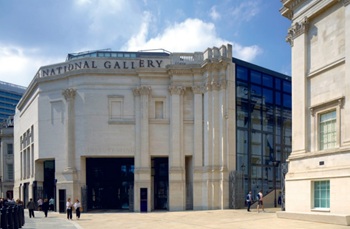
A landmark moment for postmodern heritage.
A safe energy transition – ECA launches a new Charter
Practical policy actions to speed up low carbon adoption while maintaining installation safety and competency.
Frank Duffy: Researcher and Practitioner
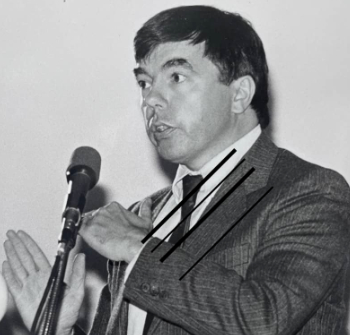
Reflections on achievements and relevance to the wider research and practice communities.
The 2026 Compliance Landscape: Fire doors

Why 'Business as Usual' is a Liability.
Cutting construction carbon footprint by caring for soil

Is construction neglecting one of the planet’s most powerful carbon stores and one of our greatest natural climate allies.
ARCHITECTURE: How's it progressing?

Archiblogger posing questions of a historical and contextual nature.
The roofscape of Hampstead Garden Suburb
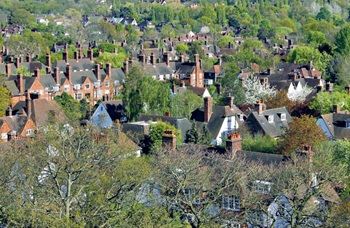
Residents, architects and roofers need to understand detailing.
Homes, landlords. tenants and the new housing standards
What will it all mean?
The Architectural Technology podcast: Where it's AT

Catch-up on the latest episodes.
Edmundson Apprentice of the Year award 2026

Entries now open for this Electrical Contractors' Association award.

Traditional blue-grey slate from one of the oldest and largest UK slate quarries down in Cornwall.
There are plenty of sources with the potential to be redeveloped.
Change of use legislation breaths new life into buildings

A run down on Class MA of the General Permitted Development Order.
Solar generation in the historic environment
Success requires understanding each site in detail.
Comments