





Technical consultation on planning
On 31 July 2014, the Department for Communities and Local Government (CLG) published a Technical consultation on planning which puts forward a significant range of proposals to change the planning system.
This follows a great number of reforms that have already been introduced since the coalition government came to power in 2010, such as the introduction of the National Planning Policy Framework (NPPF), and provides more detail about proposals set out in the Infrastructure Bill.
Brandon Lewis MP, Minister of State for Housing and Planning said ‘…we are proposing here practical improvements that build on earlier reforms, to help more people benefit and, overall, help us get the development and housing our future growth depends upon.’
- Section 1 focuses on proposals to make it easier for residents and business to come together to produce a neighbourhood plan or neighbourhood development order, drawing on the experience gained from over 900 neighbourhood areas that have already been designated by local authorities.
- Section 2 sets out proposals to expand permitted development rights, further reducing red tape and supporting housing and growth. These proposals are intended to help ensure the planning system is proportionate and a planning application is only required where this is genuinely justified.
- Section 3 seeks views on four proposals to improve the use of planning conditions and enable development to start more quickly on site after planning permission is granted.
- Section 4 focuses on improving engagement with statutory consultees so they are consulted in a proportionate way on those developments where their input is most valuable.
- Section 5 outlines proposals to raise the environmental impact assessment screening thresholds for industrial estate and urban development projects which are located outside of defined sensitive areas. Raising the threshold will reduce the number of projects that are not likely to give rise to significant environmental effects that are screened unnecessarily. This is intended to remove unnecessary bureaucracy and reduce both the cost and time taken to get planning permission for these projects.
- Section 6 sets out proposals for making improvements to the nationally significant infrastructure projects planning regime as identified as part of the 2014 review of the regime. The government is seeking views on proposals to amend regulations for making changes to development consent orders, and to expand the number of non-planning consents which can be included within development consent orders.
This consultation closed on 26 September 2014.
On 31 December, the government has published its response on neighbourhood planning measures in the 2014 technical consultation on planning. This included new measures giving councils just 13 weeks to consider a community’s application to create a neighbourhood area. 8 weeks will be allowed where the neighbourhood follows a parish boundary, and 20 weeks where applications cover an area straddling more than one planning authority. See Neighbourhood planning: government response to consultation (31 December 2014) for more information.
This article contains public sector information licensed under the Open Government Licence v2.0 ref, Department for Communities and Local Government published a Technical consultation on planning, 31 July 2014.
[edit] Find out more
[edit] Related articles on Designing Buildings Wiki
- Development consent order.
- Environmental impact assessment.
- National Planning Policy Framework.
- Nationally significant infrastructure projects.
- Neighbourhood planning.
- Overview of the road development process.
- Permitted development.
- Planning conditions.
- Planning conditions.
- Planning permission.
- Road improvement scheme consultation.
- Statutory consultees.
Featured articles and news
Costs and insolvencies mount for SMEs, despite growth

Construction sector under insolvency and wage bill pressure in part linked to National Insurance, says report.
The place for vitrified clay pipes in modern infrastructure
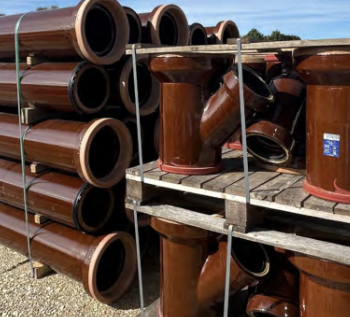
Why vitrified clay pipes are reclaiming their role in built projects.

Research by construction PR consultancy LMC published.
Roles and responsibilities of domestic clients

ACA Safety in Construction guide for domestic clients.
Fire door compliance in UK commercial buildings

Architect and manufacturer gives their low down.
Plumbing and heating for sustainability in new properties

Technical Engineer runs through changes in regulations, innovations in materials, and product systems.
Awareness of the Carbon Border Adjustment Mechanism
What CBAM is and what to do about it.
The new towns and strategic environmental assessments
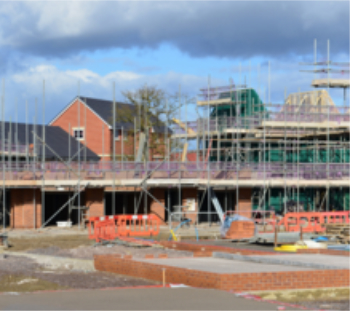
12 locations of the New Towns Taskforce reduced to 7 within the new towns draft programme and open consultation.
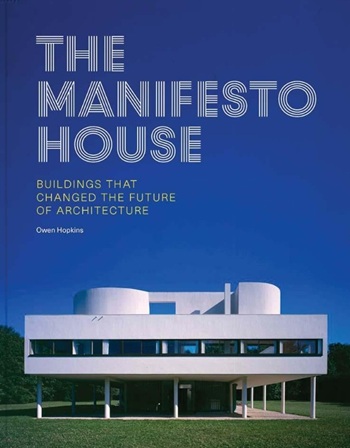
Buildings that changed the future of architecture. Book review.
The Sustainability Pathfinder© Handbook
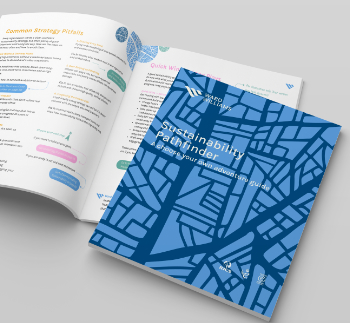
Built environment agency launches free Pathfinder© tool to help businesses progress sustainability strategies.
Government outcome to the late payment consultation, ECA reacts.
IHBC 2025 Gus Astley Student Award winners

Work on the role of hewing in UK historic conservation a win for Jack Parker of Oxford Brookes University.
Future Homes Building Standards and plug-in solar
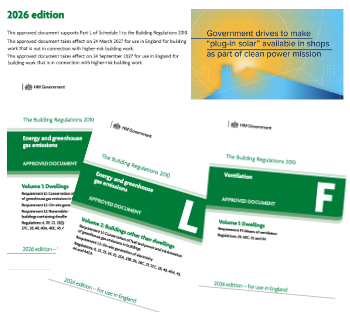
Parts F and L amendments, the availability of solar panels and industry responses.
How later living housing can help solve the housing crisis

Unlocking homes, unlocking lives.
Preparing safety case reports for HRBs under the BSA

A new practical guide to preparing structural inputs for safety cases and safety case reports published by IStructE.
Male construction workers and prostate cancer

CIOB and Prostate Cancer UK encourage awareness of prostate cancer risks, and what to do about it.