





G-value in buildings
Understanding the solar transmittance through translucent and transparent materials such as glass is important for determining the solar heat gain into the space they enclose during sunny conditions. Solar heat gain can be beneficial in the winter, as it reduces the need for heating, but in the summer can cause overheating.
The total solar heat transmittance through transparent and translucent materials is equal to the solar heat that is transmitted through the material directly, plus the solar heat that is absorbed by the material and then re-emitted into the enclosed space.
Traditionally this was expressed in terms of a shading coefficient which described the amount of solar heat transmitted through a material compared to the amount of solar heat transmitted through a standard sheet of clear float glass 3 mm thick.
However, manufacturers are now moving away from shading coefficients. In the USA, they are moving towards the use of solar heat gain coefficients (SHGC) and in Europe, g-values (window solar factors, solar factors or total energy transmittance (TET)). In essence, these both represent the fraction of incident solar radiation transmitted by a window, expressed as a number between 1 and 0, where 1 indicates the maximum possible solar heat gain, and zero, no solar heat gain.
g-value = total solar heat gain / incident solar radiation
The difference between g-values and solar heat gain coefficients is that they use a different value for air mass.
g-values can refer to the centre-of-glass g-value, or can relate to the entire window, including frame (gglass or gwindow). Generally, a higher g-value will be beneficial in cooler climates and a lower g-value in warmer climates. Typically g-values will range between 0.2 and 0.7, with solar control glazing having a g-value of less than 0.5.
[edit] Related articles on Designing Buildings
- BREEAM.
- Code for Sustainable Homes.
- Computational fluid dynamics (CFD).
- Emission rates.
- Emissivity.
- Energy certificates.
- Environmental legislation.
- Green deal.
- Leadership in Energy and Environmental Design.
- Low-e glass.
- Shading coefficient.
- Solar heat gain coefficient.
- Solar transmittance (gtot).
- Sustainability.
- Thermal bridge.
- Thermal resistance.
- U value.
- Zero carbon homes.
- Zero carbon non-domestic buildings.
Featured articles
Check out some of the best features and news from Designing Buildings as well as key stories from around the web.

Accommodating the Victorian and Edwardian working woman. Book review.
Rethinking passive fire protection in design

PFP demands the same level of design rigour as structure or services.

38% of Gen Zs feel safe when a fire door is wedged open.
Stunning images from around the world
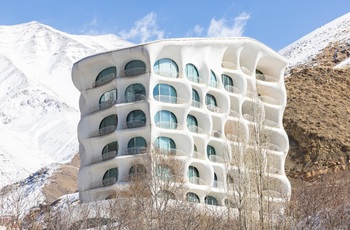
Shortlist for CIOB’s Art of Building photography competition.

Guidance for conversion of traditional pre-1919 stone buildings.
Industrial heritage in the Ruhr

A marked difference to the fate of industrial landscapes in the UK.

Communities will be able to build their own clean energy.
Why diversity and inclusion matters for SMEs

CIOB’s D&I Charter shows how practical changes can support long-term growth.
Cut electricity bills to power growth

Coalition sends joint letter to the Chancellor.

Gasholders: a history in pictures. Book review.
Recognition, influence and growth

SocEnv identifies three strategic pillars in new strategy to 2045.
Discover the future of roofing, cladding and insulation.
Comments