





Sustainability in Machinery: The Environmental Impact of Choosing Used Forklifts
Contents |
[edit] Sustainability in Machinery: The Environmental Impact of Choosing Used Forklifts
Sustainability has become a major consideration for industries looking to reduce their carbon footprint and lower their environmental impact. The forklift sector is one of the driving forces behind this eco-friendly approach, and the machinery and apparatus you choose can play a significant role in achieving sustainability goals.
Used and refurbished forklifts are a green and cost-effective solution for any business or organisation with a focus on improving its sustainability practices. From construction to farming to warehouse management, used forklifts offer a green alternative to new forklifts, provide substantial cost savings, and also make a significant contribution towards the UK’s Net Zero emissions target which aims to decarbonise all sectors of the economy by 2050.
With the future health of the planet taking centre stage at Earth Day 2024 on April 22nd, forklift experts, PHL are highlighting the numerous environmental advantages of used forklifts and why more businesses should make them their number one sustainable choice for heavy-duty lifting equipment.
[edit] Reduced Carbon Footprint
Like any new vehicle or machinery, significant amounts of energy, raw materials, and precious resources are consumed in the process of manufacturing new forklift trucks. Not only that but harmful compounds that can affect the environment are produced while making new forklifts.
By choosing a used and repurposed forklift that has been carefully serviced and maintained, businesses are extending the lifespan of existing equipment while reducing their carbon footprint. Reusing forklifts is always a smarter and greener alternative to manufacturing new machines, and it helps businesses contribute towards a brighter and greener future.
[edit] Less Waste
In addition to generating waste and harmful emissions, the manufacture of new forklifts can negatively impact the environment in other ways. For instance, when a business decides it’s time to get rid of their old forklifts, the machines often end up in scrapyards and landfill sites where they pollute the land around them.
However, acquiring a used forklift is a simple way for businesses to reduce the level of waste generated by the industry. After all, used and refurbished forklifts are made from parts that have already been manufactured, so they produce less waste and don’t require the additional resources that a new forklift would.
[edit] Greater Efficiency
Many used forklift trucks are retrofitted with energy-saving features that provide greater efficiency for users. For example, some used forklifts are fitted with LED lights which consume less energy than traditional lights. Similarly, used forklifts can also benefit from regenerative braking which harnesses the energy produced when slowing down to recharge its batteries. Not only does this reduce the energy required to operate the forklift, but it can also save a business money on fuel costs.
Another sustainable benefit of used forklifts is that their old, polluting fossil-fuel engines are often replaced with energy-efficient engines that require less fuel. You’ll also find used forklifts with fully electric engines or hybrid engines that combine gas and electric power, again providing greater efficiency and lower carbon emissions.
[edit] Less Downtime
You will benefit from less expensive downtime with a well-maintained used forklift than you would with a neglected model. Regular servicing and thorough inspections will ensure your used forklift gives you hours of uninterrupted service, providing greater efficiency across your business.
You won’t have to look far to find a high-quality used forklift in pristine condition either. Many used forklifts have been carefully looked after by their previous owners and fully refurbished. This means they can operate just as efficiently as a brand new forklift yet at a much lower cost, and they won’t require frequent and expensive repairs.
It’s clear that opting for a used forklift can help businesses align their operational needs with sustainability goals and reduce their carbon footprint by extending the lifespan of existing machinery. Not only that, but many forklift manufacturers are incorporating eco-friendly features into their second-hand forklifts so that businesses can take advantage of these environmental benefits without the extra cost involved with purchasing a new machine.
However, if your business is looking to invest in a new forklift truck or fleet of trucks, there are several factors to consider that can help you make a sustainable choice. For instance, electric forklift trucks and lithium-ion battery forklifts are more energy-efficient and quieter than traditional diesel and petrol forklifts, contributing to a cleaner working environment. Similarly, a quality, reconditioned, used electric forklift will operate just as efficiently as most new forklifts but at a fraction of the cost, and don’t consume dirty fossil fuels.
When it comes to sustainability, used forklifts win hands down on numerous fronts compared to new forklifts. Whether reducing your carbon footprint, providing enhanced efficiency, or keeping waste to a minimum, used and refurbished forklifts are becoming increasingly popular with eco-conscious businesses looking to improve their operations in a sustainable fashion.
Featured articles
Check out some of the best features and news from Designing Buildings as well as key stories from around the web.
Building Safety Regulator, 19 August

Gill Kernick appointed Independent Chair of Residents’ Panel.
Connecting knowledge, technology and conservation
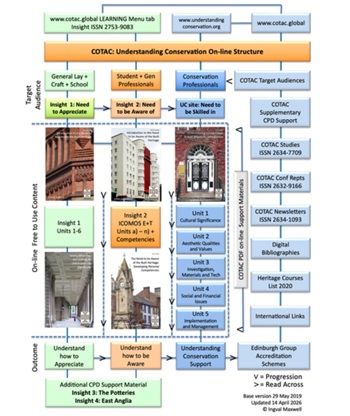
Building competence for the future of built heritage.
Building Regulations and Building Safety Act
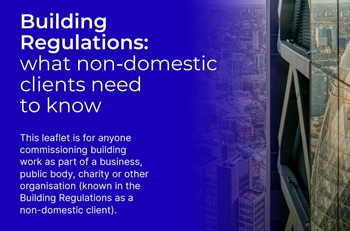
CIOB publishes free advice for non-domestic clients.

Building Safety Newsletter from MHCLG.

An extraordinary record of steel engineering worldwide.
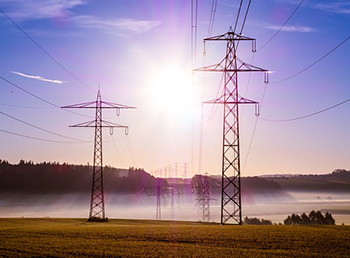
Households living near new pylons to save on bills.

ECA warns growth must not outpace grid capacity or skills.
The role of the client and decision making

CIOB response to built environment professions call for evidence.
Construction's sustainability reporting revolution
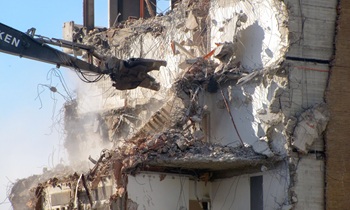
Tracking upfront embodied carbon with digital tools.
ECA welcomes procurement reforms
Public spending must back British jobs and skills.
Campaigning for Edinburgh: the Cockburn Association 1875-2049

The role of the civic voice in protecting character. Book review.

CIOB photography competition is open for entries.
Comments
https://www.designingbuildings.co.uk/wiki/Marketing_opportunities_on_Designing_Buildings
https://www.designingbuildings.co.uk/wiki/Editorial_policy
https://www.designingbuildings.co.uk/wiki/Page_about_me