





Statutory nuisance
A statutory nuisance is an issue that unreasonably and substantially interfere with the use or enjoyment of a home or other premises or an issue that might injure health or be likely to injure health. Such issues that might constitute as being a statutory nuisance could include:
- noise from premises or from vehicles, equipment or machinery in the street
- smoke from premises
- smells from industry, trade or business premises (for example, sewage treatment works, factories or restaurants) also referred to as nuisance smells
- artificial light from premises
- insect infestations from industrial, trade or business premises
- accumulation or deposits on premises (for example, piles of rotting rubbish) see nuisance smells
Statutory nuisances are covered by the Environmental Protection Act 1990, where by councils must investigate complaints about issues that could considered as a statutory nuisance. Where applicable councils can serve an abatement notice on people responsible for statutory nuisances, or on a premises owner or occupier if this is not possible. Such a notice may require the person or people responsible to stop the activity or limit it to certain times to avoid causing a nuisance.
Such notices, served on premises can be delayed for 7 days while the council tries to get the person responsible to stop or restrict the noise. The abatement notice must be served on the owner or occupier if either of the following apply:
- the person responsible cannot be found
- the nuisance has not yet happened but is likely to happen in the future
- If the nuisance is caused by a structural defect on the premises, the abatement notice must be served on the premises owner.
- If the nuisance is caused by unattended vehicles, machinery or equipment in the street, the notice can be served by fixing the notice to the vehicle, machinery or equipment if the person responsible cannot be found.
If someone does not comply with an abatement notice they can be prosecuted and fined:
- a lump sum (the amount is set by the court)
- further fines for each day they fail to comply (the amount is set by the court)
Councils can also take action to stop or restrict the nuisance by:
- carrying out works and making the person given the notice pay for them (this can include seizure and confiscation of equipment)
- applying to the High Court for an injunction (if a prosecution is not adequate)
For further information see also UK government guidance Statutory nuisances: how councils deal with complaints
[edit] Related articles on Designing Buildings
- A case study of adopting BIT-Kit: A method uncovering the impact buildings have on people.
- A measure of net well-being that incorporates the effect of housing environmental impacts.
- BSRIA Briefing 2023. Cleaner Air, Better Tomorrow.
- Characteristics of buildings that impact wellbeing.
- Indoor air quality.
- Indoor environmental quality.
- Nuisance in construction.
- Odours in and around buildings.
- The real cost of poor housing.
- Ubiquitous sensors to assess people’s energy consumption and wellbeing in domestic environments.
- Wellbeing.
- Wellbeing and buildings.
- Wellbeing in Buildings TG 10/2025.
- Wellbeing and creativity in workplace design - case studies.
Featured articles and news
The future workforce: culture change and skill

Under the spotlight at UK Construction Week London.
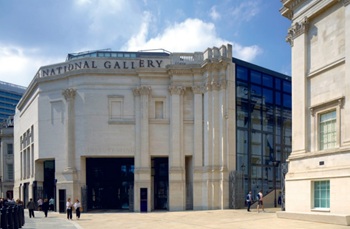
A landmark moment for postmodern heritage.
A safe energy transition – ECA launches a new Charter

Practical policy actions to speed up low carbon adoption while maintaining installation safety and competency.
Frank Duffy: Researcher and Practitioner
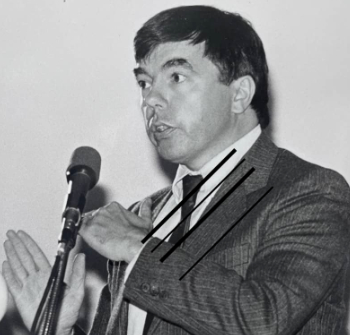
Reflections on achievements and relevance to the wider research and practice communities.
The 2026 Compliance Landscape: Fire doors

Why 'Business as Usual' is a Liability.
Cutting construction carbon footprint by caring for soil

Is construction neglecting one of the planet’s most powerful carbon stores and one of our greatest natural climate allies.
ARCHITECTURE: How's it progressing?
Archiblogger posing questions of a historical and contextual nature.
The roofscape of Hampstead Garden Suburb
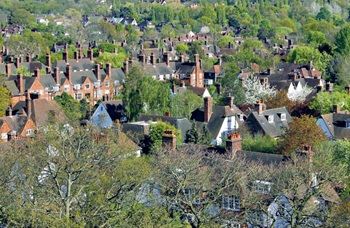
Residents, architects and roofers need to understand detailing.
Homes, landlords. tenants and the new housing standards

What will it all mean?
The Architectural Technology podcast: Where it's AT

Catch-up on the latest episodes.
Edmundson Apprentice of the Year award 2026

Entries now open for this Electrical Contractors' Association award.
Traditional blue-grey slate from one of the oldest and largest UK slate quarries down in Cornwall.

There are plenty of sources with the potential to be redeveloped.
Change of use legislation breaths new life into buildings

A run down on Class MA of the General Permitted Development Order.
Solar generation in the historic environment

Success requires understanding each site in detail.