





Staircase tax
The term ‘staircase tax’ is sometimes used critically to refer to the reform of business rates which left many businesses facing backdated charges to April 2015.
Businesses which occupied more than one adjoining floor in a building but used a communal staircase, lift or corridor between them, were to be taxed as though the floors were separate properties. This also barred businesses from accessing rates relief payments – only available if they owned one property.
The controversy surrounding the so-called ‘staircase tax’ stemmed from a Supreme Court judgement in the case of ‘Woolway v Mazars’ [2015]. This held that a tenant occupying separate floors in a building would only be entitled to treat the floors as part of the same rateable occupation (hereditament) if they could move between the floors without leaving space that is exclusively for their use, i.e. not entering into communal space.
Under the ruling, quantum relief, which is used to claim an allowance for size, would be unlikely to reduce a tenant’s liability for business rates, meaning that they would have to treat the separate floors as separate hereditaments. A tenant with a private lift or staircase between floors would still be able to claim quantum relief.
Following this decision, the Valuation Office Agency (VAO) stated that they were duty-bound to retrospectively apply the rates. This left many businesses (80,000 properties according to the Federation of Small Businesses) with backdated charges to April 2015 where ‘incorrect quantum relief’ had been granted.
In challenging this, the Federation of Small Businesses said:
"This is no way to run a tax system in the 20th century, let alone the 21st. Ministers have the power to provide relief, and they should do this urgently - to correct this defect in the UK tax system."
In December 2017, the government published draft legislation to reverse the ‘staircase tax’ and write off the bills that had been charged.
The Communities Secretary Sajid Javid said that the tax was “...an unfair rates hike for businesses” and that he was “ending this by giving those businesses affected the option of getting their rates bill recalculated and any savings due backdated.”
[edit] Related articles on Designing Buildings Wiki
Featured articles and news
Costs and insolvencies mount for SMEs, despite growth

Construction sector under insolvency and wage bill pressure in part linked to National Insurance, says report.
The place for vitrified clay pipes in modern infrastructure
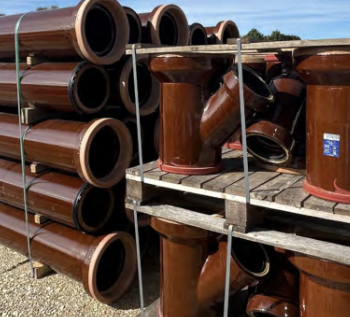
Why vitrified clay pipes are reclaiming their role in built projects.

Research by construction PR consultancy LMC published.
Roles and responsibilities of domestic clients

ACA Safety in Construction guide for domestic clients.
Fire door compliance in UK commercial buildings

Architect and manufacturer gives their low down.
Plumbing and heating for sustainability in new properties

Technical Engineer runs through changes in regulations, innovations in materials, and product systems.
Awareness of the Carbon Border Adjustment Mechanism
What CBAM is and what to do about it.
The new towns and strategic environmental assessments
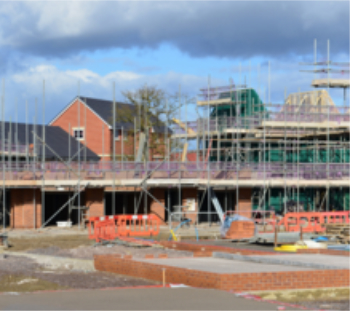
12 locations of the New Towns Taskforce reduced to 7 within the new towns draft programme and open consultation.
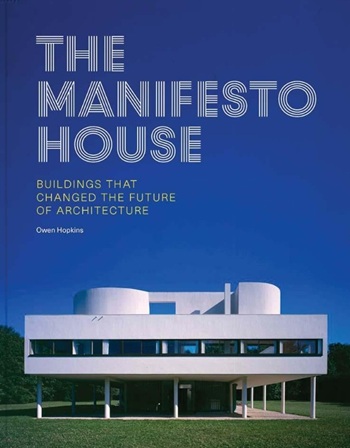
Buildings that changed the future of architecture. Book review.
The Sustainability Pathfinder© Handbook
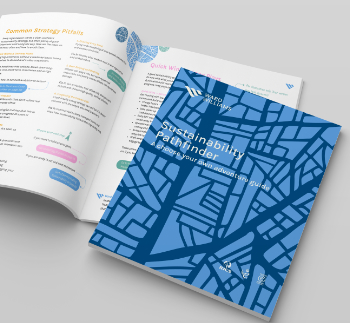
Built environment agency launches free Pathfinder© tool to help businesses progress sustainability strategies.
Government outcome to the late payment consultation, ECA reacts.
IHBC 2025 Gus Astley Student Award winners
Work on the role of hewing in UK historic conservation a win for Jack Parker of Oxford Brookes University.
Future Homes Building Standards and plug-in solar
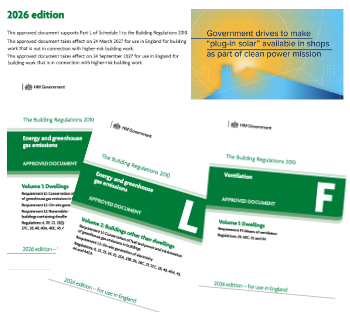
Parts F and L amendments, the availability of solar panels and industry responses.
How later living housing can help solve the housing crisis
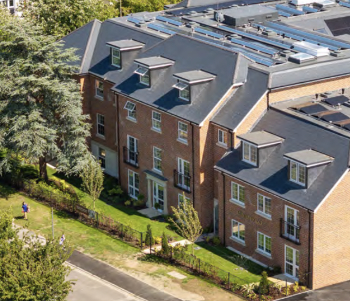
Unlocking homes, unlocking lives.
Preparing safety case reports for HRBs under the BSA
A new practical guide to preparing structural inputs for safety cases and safety case reports published by IStructE.
Male construction workers and prostate cancer

CIOB and Prostate Cancer UK encourage awareness of prostate cancer risks, and what to do about it.