






Specify with caution to new BS 8579:2020

Contents |
[edit] Introduction
Designers working on high-rise residential projects are being advised to specify with caution to meet the fire requirements of a new British Standard. BS 8579 Guide to the Design of Balconies and Terraces was released at the end of August 2020, but developers and main contractors were already understood to be upgrading completed and signed-off flat developments before this in order to deliver the Class A fire performance at 18m+ they anticipated to be detailed in the new standard.
[edit] Product offerings under review
Whilst such moves are to be applauded, there are industry concerns that a 'double whammy' of implementing the new standard and new, unfamiliar products coming to market could jeopardise safety.
"This situation has the potential to affect a wide range of building components within balcony and terrace construction," said Julian Thurbin, of specialist building products manufacturer Wallbarn. "We are receiving high volumes of calls from construction professionals, including designers and cost engineers, requiring guidance on the products that can – and cannot – be considered.
"We have also heard reports of completed and fully legal products being revised with exterior materials, including balcony constructions, removed post sign-off and replaced with Class A systems – in extreme cases across the entire project and not just 18m and above. It highlights the importance parties are placing on delivering safe, compliant buildings and underlines the need to be absolutely sure only the best quality products and systems make it to site," added Julian.
[edit] Performance testing
To achieve the fire performance required by BS 8579, specifications will have to change. Manufacturers are responding with Class A product developments but concerns remain that some of the new solutions coming to market may not be adequately tested or designed for use at height and/or outdoors.
"Our sector is a really good example," said Julian. "Traditionally heavy duty plastic pedestals have been specified to support suspended balcony or terrace decking and paving. To achieve Class A performance these pedestals must now be metal. We have achieved this with our new product MetalPad, which is fully tested and fit for purpose. From sampling the market we have concerns that not all products offer the level of performance we feel is required, with some modified from interior usage and others utilising plastic or rubber parts, which are obviously combustible.
"There's also the question of product testing – in the case of pedestals load-bearing is critical – which we appreciate is a challenge. However, our advice is always to consult with your original supplier (whatever the product and even if they do not supply a Class A alternative) to at least understand the questions you should be asking of a new supplier.
"Safety is of prime importance and we do not want to be in a situation where, in our efforts to increase fire safety standards, we replace fully tested and compliant products with those that may not have been properly tested or are of a poorer quality," added Julian.
"Given that this issue centres around outdoor structures mounted 18m or more above ground level, industry concerns about product performance must be given serious consideration; system failure at height has the potential to have tragic consequences."
This article originally appeared on the CIAT website. It was published on 14 September 2020.
--CIAT
[edit] Related articles on Designing Buildings Wiki
- Balcony.
- British Standards Institution BSI.
- BS 8579:2020 Guide to the design of balconies and terraces.
- BS 9999: Code of practice for fire safety in the design, management and use of buildings.
- Building regulations.
- CIAT articles.
- Fire risk in high-rise and super high-rise buildings DG 533.
- Higher risk residential buildings.
- High-rise building.
- Veranda.
Featured articles and news
Costs and insolvencies mount for SMEs, despite growth
Construction sector under insolvency and wage bill pressure in part linked to National Insurance, says report.
The place for vitrified clay pipes in modern infrastructure
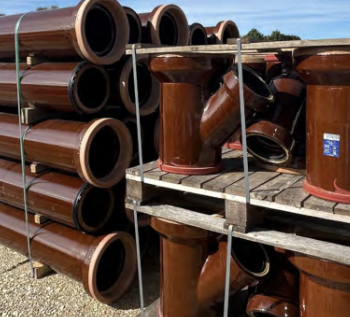
Why vitrified clay pipes are reclaiming their role in built projects.

Research by construction PR consultancy LMC published.
Roles and responsibilities of domestic clients
ACA Safety in Construction guide for domestic clients.
Fire door compliance in UK commercial buildings

Architect and manufacturer gives their low down.
Plumbing and heating for sustainability in new properties
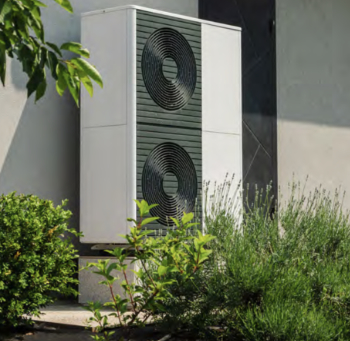
Technical Engineer runs through changes in regulations, innovations in materials, and product systems.
Awareness of the Carbon Border Adjustment Mechanism
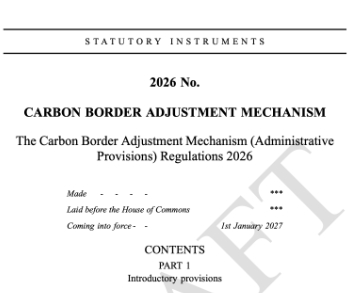
What CBAM is and what to do about it.
The new towns and strategic environmental assessments
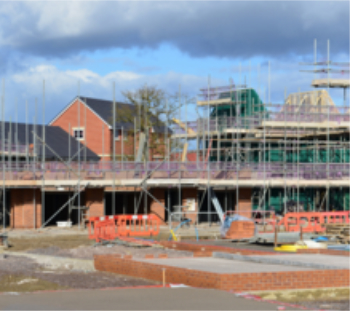
12 locations of the New Towns Taskforce reduced to 7 within the new towns draft programme and open consultation.

Buildings that changed the future of architecture. Book review.
The Sustainability Pathfinder© Handbook
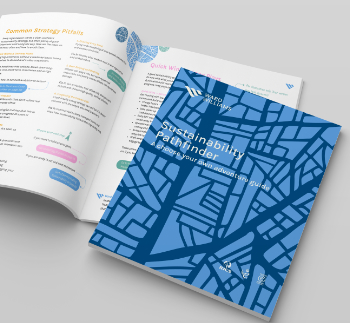
Built environment agency launches free Pathfinder© tool to help businesses progress sustainability strategies.
Government outcome to the late payment consultation, ECA reacts.
IHBC 2025 Gus Astley Student Award winners
Work on the role of hewing in UK historic conservation a win for Jack Parker of Oxford Brookes University.
Future Homes Building Standards and plug-in solar
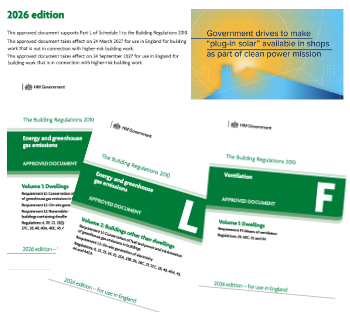
Parts F and L amendments, the availability of solar panels and industry responses.
How later living housing can help solve the housing crisis
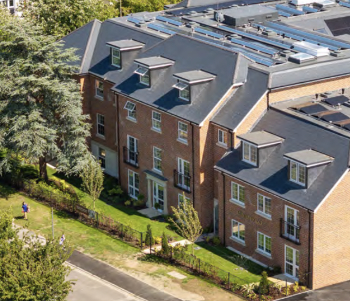
Unlocking homes, unlocking lives.
Preparing safety case reports for HRBs under the BSA
A new practical guide to preparing structural inputs for safety cases and safety case reports published by IStructE.
Male construction workers and prostate cancer

CIOB and Prostate Cancer UK encourage awareness of prostate cancer risks, and what to do about it.