





Self-build home: Prepare a brief

Introduction.
A clear, written brief should be prepared:
- To help decide what is required.
- To create a record of what has been agreed.
- To describe requirements to other people, such as designers.
It can take a considerable time to develop a thorough brief and some self-builders may wish to seek expert advice to help them. However, it is important that the brief is 'owned' by the self builder, reflecting their personal requirements, not those of a consultant.
The brief is not a static document, it will develop as the project progresses and requirements are better understood. However, beyond the concept design stage, the brief should be strictly controlled as subsequent changes will incur increasingly large abortive costs.
Prepare a brief.
In the first instance, the brief should focus on the functions that need to be performed in the building, and should avoid being just a list of accommodation. That is, it should focus on ‘what you want to do’ rather than ‘what rooms you want to build’. This helps keep options open during the design process and avoids leaping to conclusions before requirements have been properly assessed.
The brief might include information about:
- The overall context for the project, including a description of the self-builder, their lifestyle and aspirations for the project.
- The budget.
- The programme and any key dates.
- The functions that the building will be required to accommodate.
- The qualities that will be required from the project, and their relative priority.
- Any comparable facilities that might act as a benchmark.
- Any specific sizes, relationships or other spatial requirements.
- Any functions that require privacy, separation or connection.
- Any particular technical requirements.
- Specific inclusions and exclusions.
- Initial assumptions about the likely procurement strategy and organisation of the project (see Develop a delivery strategy for more information).
- Assumptions about durability, lifespan and maintenance requirements.
- Internal thermal, ventilation, acoustic and lighting conditions.
- Requirements for sustainability.
Featured articles and news
Costs and insolvencies mount for SMEs, despite growth

Construction sector under insolvency and wage bill pressure in part linked to National Insurance, says report.
The place for vitrified clay pipes in modern infrastructure
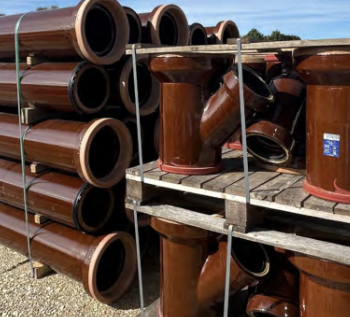
Why vitrified clay pipes are reclaiming their role in built projects.
Research by construction PR consultancy LMC published.
Roles and responsibilities of domestic clients
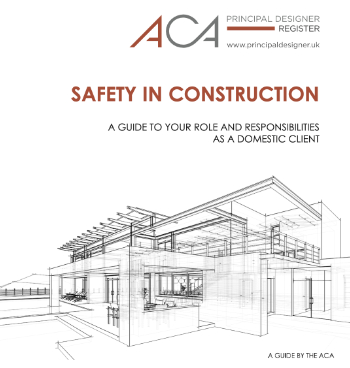
ACA Safety in Construction guide for domestic clients.
Fire door compliance in UK commercial buildings

Architect and manufacturer gives their low down.
Plumbing and heating for sustainability in new properties
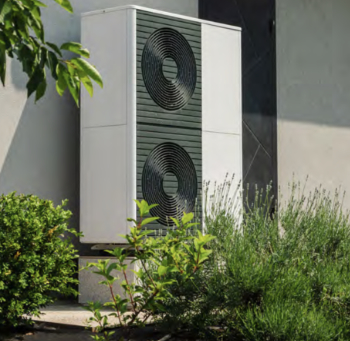
Technical Engineer runs through changes in regulations, innovations in materials, and product systems.
Awareness of the Carbon Border Adjustment Mechanism
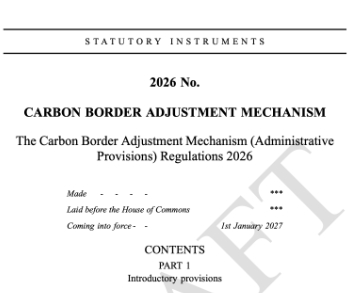
What CBAM is and what to do about it.
The new towns and strategic environmental assessments
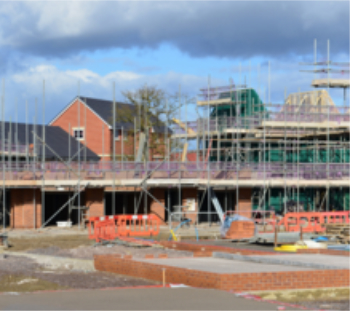
12 locations of the New Towns Taskforce reduced to 7 within the new towns draft programme and open consultation.
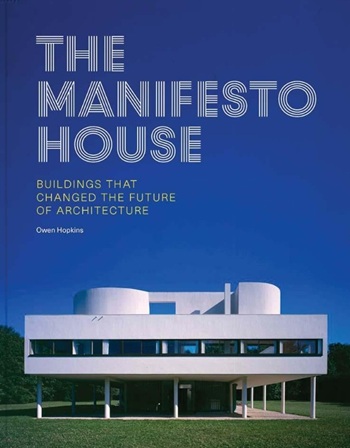
Buildings that changed the future of architecture. Book review.
The Sustainability Pathfinder© Handbook
Built environment agency launches free Pathfinder© tool to help businesses progress sustainability strategies.
Government outcome to the late payment consultation, ECA reacts.
IHBC 2025 Gus Astley Student Award winners

Work on the role of hewing in UK historic conservation a win for Jack Parker of Oxford Brookes University.
Future Homes Building Standards and plug-in solar
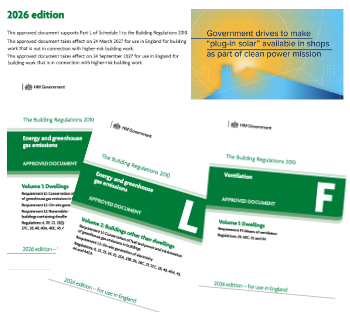
Parts F and L amendments, the availability of solar panels and industry responses.
How later living housing can help solve the housing crisis

Unlocking homes, unlocking lives.
Preparing safety case reports for HRBs under the BSA
A new practical guide to preparing structural inputs for safety cases and safety case reports published by IStructE.
Male construction workers and prostate cancer

CIOB and Prostate Cancer UK encourage awareness of prostate cancer risks, and what to do about it.