





Renewable chemicals
Renewable chemicals or 'bio-based chemicals' are chemicals obtained from renewable sources such as agricultural feedstock, agricultural waste, organic waste products, biomass, and microorganisms. They have a lower carbon footprint compared to conventional petro-based chemicals and are use widely as a direct substitution.
They account for about one percent of the global chemicals market.
End user applications include; industrial, transportation, food and beverages packaging, consumer goods packaging, bio-medicals, fertilizers, agriculture, textiles, environment, housing, recreation, and health and hygiene.
Some of the most commonly-used renewable chemicals are:
- Polymeric: lignin, hemicellulose, cellulose, starch, chitin and protein.
- Monomeric: carbohydrates, oils, plant extracts and amino acids.
On the basis of chemical properties of renewable chemicals, they can be segmented into five different variants:
- Alcohols (such as methanol and ethanol).
- Polymers (such as polylactic acid or PLA, bio based polyethylene and polyhydroxyalkanoates or PHA).
- Organic acids (such as formic acid, acetic acid, and glycolic acid).
- Ketones (such as acetone and methyl ethyl ketone).
- Others (such as 1, 4-butanediol, 1, 3-propanediol, and Bio-BDO).
Alcohol had the largest market share in 2013; whereas the polymer segment has had the highest growth rate over the past few years driven by growing demand for green packaging from the food and beverages and consumer goods sectors.
The market is driven by the global trend away from oil, increasing awareness of sustainability issues, landfill issues, and changing consumer preferences, as well as the political instability of major oil producing countries and continuous fluctuation in price.
However, the rising concern of policymakers over food security and deforestation has emerged as one of the major challenge for the diversification of the renewable chemical market.
Europe was the largest market for renewable chemicals in 2013 closely followed by Asia Pacific and North America. The Asia Pacific is growing in double digits and is expected to take over Europe in terms of market share, driven by the availability of raw materials, cheap labour and increasing demand of renewable chemicals from growing countries such as China, Japan and India. Ref http://www.persistencemarketresearch.com/samples/3118
Major companies operating in the renewable chemicals market include, Archer-Daniels-Midland Company (ADM), Amyris Inc., BASF SE, Bioamber Inc., Biomethanol Chemie Nederland B.V., Braskem, Cargill Inc., DSM, E. I. DU Pont DE Nemours & Company, Evonik Industries AG, Genomatica Inc., Metabolix, Inc., Myriant Corporation, Natureworks LLC, Novozymes A/S, OPX Biotechnologies, Solazyme Inc., Solvay, The Dow Chemical Company and Verenium Corp.
Featured articles and news
Cutting construction carbon footprint by caring for soil

Is construction neglecting one of the planet’s most powerful carbon stores and one of our greatest natural climate allies.
ARCHITECTURE: How's it progressing?

Archiblogger posing questions of a historical and contextual nature.
The roofscape of Hampstead Garden Suburb

Residents, architects and roofers need to understand detailing.
Homes, landlords. tenants and the new housing standards

What will it all mean?
The Architectural Technology podcast: Where it's AT

Catch-up on the latest episodes.
Edmundson Apprentice of the Year award 2026

Entries now open for this Electrical Contractors' Association award.

Traditional blue-grey slate from one of the oldest and largest UK slate quarries down in Cornwall.

There are plenty of sources with the potential to be redeveloped.
Change of use legislation breaths new life into buildings

A run down on Class MA of the General Permitted Development Order.
Solar generation in the historic environment
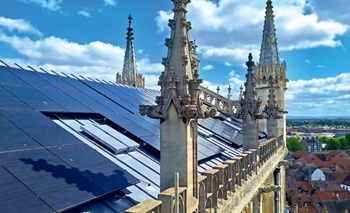
Success requires understanding each site in detail.
Level 6 Design, Construction and Management BSc

CIOB launches first-ever degree programme to develop the next generation of construction leaders.

Open for business as of April, with its 2026 prospectus and new pipeline of housing schemes.
The operational value of workforce health

Keeping projects moving. Incorporating unplanned absence and the importance of health, in operations.
A carbon case for indigenous slate
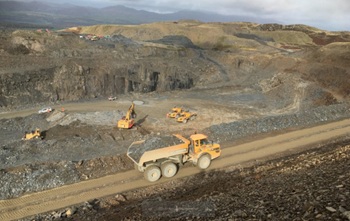
UK slate can offer clear embodied carbon advantages.
Costs and insolvencies mount for SMEs, despite growth

Construction sector under insolvency and wage bill pressure in part linked to National Insurance, says report.