






Peel tower

|
| The peel tower at the north end of the village of Clifton (near Penrith) is a remnant of the old Clifton Hall. It serves as a reminder of the days of Scots raids from over the border, which is approximately 30 miles away. |
A peel tower or pele tower (not to be confused with the commemorative Peel Monument in Bury, Greater Manchester) is a freestanding structure built for defence. From about 1450 to 1600, these small houses or keeps were constructed in strategic locations in the UK, mainly as protection in Northern England and Scotland against the invasion of Edward I.
These small, square (or oblong) stone buildings had thick walls, which were meant to protect the occupants from sieges. Comprising three storeys, they included a storage area or garderobe for supplies and animals (on the ground floor), a hall and kitchen (on the first floor) and living, sleeping and strategic observation quarters (on the top floor). The roof was normally flat and could be used for protective purposes.
In all, approximately 90 peels were built. They were primarily constructed along the borders; many were built in the Tweed valley. Under a 1455 Act of Parliament, these specific peels (Fruid, Hawkshaw, Oliver, Polmood, Kingledoors, Mossfennan, Wrae, Quarter, Stanhope, Drumelzier, Tinnies, Dreva, Stobo, Dawyck, Easter Happrew, Lyne, Barnes, Caverhill, Neidpath, Peebles, Horsburgh, Nether Horsburgh, Cardrona, Kirna, and Elibank) had to have defensive features at the ready, including an iron basket and a smoke or fire signal.
In addition to their strategic function, peel towers were sometimes used as dwellings for lairds and landlords. They also served as temporary protective residences for townspeople when raiding parties threatened their villages. Some peels were incorporated into churches (as belltowers) or converted into castles. One in North Yorkshire was converted for a television programme into Hellifield Peel Castle bed and breakfast.
[edit] Related articles on Designing Buildings Wiki
Featured articles and news

We're expanding our collaborative mission by launching DB Intelligence, an exclusive market research advisory panel. Built environment professionals can now get paid to share their expertise on industry trends, products and services.
Panel members receive direct financial incentives for participating in research projects like short surveys, 1-2-1 interviews and focus groups. Register today to shape the future of the construction sector.
Planning condition discharge in England and Wales

A brief exoplanation from a building compliance expert, with further links.
Overheating guidance and tools for building designers

Guidance for dealing with element of building fabric control that have increasing importance.
Shading for housing, a design guide

From the Good Homes Alliance and British Blind and Shutter Association.
UK Standard Skills Classification (SSC)

A shared framework for describing skills needs.
Social media ban consultation comes to close

CIOB urges UK Government to consider social media’s role in careers guidance in ban debate.
The latest of eight Skills England apprenticeship units

The addition of battery manufacturing welcomed by ECA with a warning about the risks of fast-tracked apprenticeship units.
Building Control Independent Panel final report
A precis of a key report led by Dame Hackitt with full recommendations and link to the government response.
Building Safety recap April, 2026
A short and longer run-through of the month, with links to further information and sources.
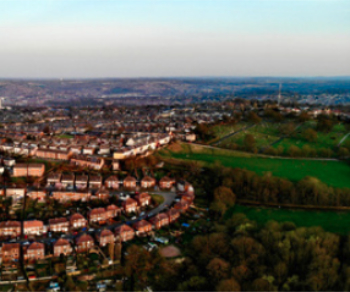
CIAT May 2026 briefing.

From medieval scribes to modern word art.

ECA welcomes crackdown on late payment and push for clean energy, whilst CIOB seek fixed cladding removal timeframes.
Cyber Security in the Built Environment
Protecting projects, data, and digital assets: A CIOB Academy TIS.
Managing competence in the built environment
ITFG publishes new industry guide on how to meet the ICC principles.

The UK's campaign to reduce noise pollution: Mythbusting, articles and topic guides.