




Cupola
A cupola is a small structure located on top of a building’s roof or dome. It is common for cupolas to have a round or square bases, but they may also be polygonal.
Originally, cupolas had functional purposes, such as to admit light and air or to provide a lookout position. In these cases, the entire main roof of a tower or spire might be referred to as a cupola. Cupolas differ from bell towers, steeples or campaniles in that they are details on a structure rather than being a structural part of a building.
Cupolas with small windows to allow light into the area below are called ‘lanterns’ and are often found at the top of domed roofs.
A variation of a normal cupola is one that can be reached by climbing an internal stairway. This is often called a belvedere or widow’s walk.
Modern cupolas are mostly ornamental architectural features crowning the main roof, sometimes providing a position for a flag, religious symbol, weather vane, and so on.
[edit] Related articles on Designing Buildings Wiki
Featured articles
Check out some of the best features and news from Designing Buildings as well as key stories from around the web.
Code of Practice for Electrical Energy Storage Systems.

ECA calls on members to comment on draft 4th edition.

Bringing together expertise and creating cultural benefits.

CIOB celebrates positive Ofsted report.

The Building Safety Regulator announces a call for evidence.

Government approach could undermine delivery and regeneration.
World's first mass timber data centre.
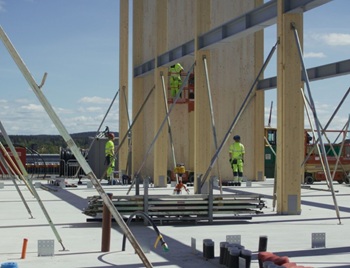
The overlooked environmental aspect of data centre development.
Introduction to radon awareness

New technical information sheet published by CIOB.

Updated supplier guide can help electrical contractors engage with NHP.

CIAT confirm the winners of the 2026 architectural technology awards.

Government launches a one stop shop for flood preparedness.

Sir Edwin Lutyens: Britain's greatest architect? Book review.

CIOB publishes free template to help assess and manage risks.