






Party Wall Notice Timings
[edit] Understanding Party Wall Notice Timings
If you're planning construction work on or near a shared property boundary in the UK, the Party Wall Act 1996 is a crucial regulation you must follow. One of the most essential parts of complying with this Act is serving a Party Wall Notice to your neighbours within the correct timeframe. Here is a detailed guide on Party Wall Notice timings, ensuring that your project proceeds smoothly and legally.
[edit] What is a Party Wall Notice?
A Party Wall Notice is a formal communication issued to your neighbours informing them of your proposed construction work that affects a shared or adjoining wall, boundary, or excavations near the adjoining building. This notice is necessary for any work that could impact the structural integrity of shared or adjacent property boundaries.
[edit] Key Timing Requirements for a Party Wall Notice
The timing of when to serve a Party Wall Notice is crucial to ensure legal compliance and avoid project delays. Here’s what you need to know:
[edit] Standard Notice Periods
For Work on a Party Wall or Structure: A Party Wall Notice must be served at least two months before starting work on a party wall or shared boundary.
For Excavations: When your construction involves excavations within three to six meters of a neighbour's property, you are required to serve notice at least one month in advance.
[edit] What Happens if Your Neighbour Responds?
If your neighbour agrees to the work in writing, you can usually proceed without delay, provided that there is no dispute.
If your neighbour does not agree or does not respond, you are in a "dispute" situation, and you may need to appoint a Party Wall Surveyor to draw up an agreement. This process can extend the notice period significantly.
[edit] Types of Party Wall Notices
Understanding the type of notice you should serve depends on the nature of your project:
- Line of Junction Notice: Required if you are building a new wall on the line of junction (boundary line) between two properties. You must serve this notice at least one month before commencing the work.
- Party Structure Notice: Necessary for alterations affecting an existing party wall, such as cutting into the wall or removing chimney breasts. You need to issue this at least two months before starting.
- Notice of Adjacent Excavation: Applicable if you're digging near a neighbouring building to a depth greater than the foundation of that building. This must be issued at least one month before excavation work begins.
[edit] Practical Tips for Serving Party Wall Notices
- Plan Early: Construction projects can face unexpected delays if your neighbour raises a dispute. To mitigate this, serve your notice as early as possible.
- Clear Communication: Make sure your notice is well-documented and includes a detailed description of the proposed work. Use diagrams if necessary to clarify your intentions.
- Engage a Surveyor: It is often beneficial to consult with or appoint a Party Wall Surveyor to assist with preparing and serving the notice, especially for more complex projects.
- Follow-Up: If your neighbour does not respond to the notice within 14 days, follow up to avoid prolonged disputes.
Consequences of Not Serving a Party Wall Notice
Failing to serve a Party Wall Notice can lead to several complications:
Your neighbour can apply for a court injunction to stop your construction.
You may be held responsible for any damage caused to the adjoining property.
Legal disputes can become expensive and time-consuming, potentially delaying your project significantly.
[edit] Final Thoughts
Timing is everything when it comes to Party Wall Notices. By understanding and adhering to these guidelines, you not only ensure compliance with the law but also foster good relations with your neighbours. Remember, the earlier you engage with your neighbours about your plans, the smoother your project will likely proceed.
By following this comprehensive timing guide, you’re set to manage the Party Wall Act 1996 requirements effectively and avoid unnecessary setbacks.
[edit] Related articles on Designing Buildings
- 10(4) Party Wall Surveyor Appointments.
- Adjoining buildings definition.
- Adjoining owner.
- Construction covered by the Party Wall Act of 1996.
- Counter Notice.
- Disputes Resolution - Section 10 of the Party Wall Act
- Institute of party wall surveyors.
- Line of junction notice.
- Neighbour dispute.
- Party structure notice.
- Party Wall Act.
- Party wall notice.
- Party wall surveyor.
- Preventing wall collapse.
- Responsibility for boundary features.
- Right of entry.
- Right of support.
- Right to access land.
- Security for expenses under the Party Wall Act.
- Three party wall notice responses.
- Trespass.
- What approvals are needed before construction begins.
- Who Pays for Party Wall Surveyor's Fees?
Featured articles
Check out some of the best features and news from Designing Buildings as well as key stories from around the web.

New and updated CLC building safety guidance.
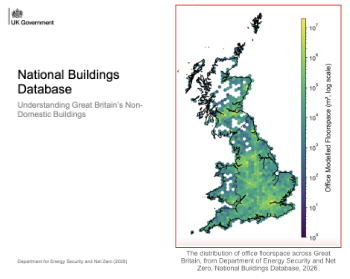
New UK National Buildings Database.
Building Safety Wiki Interviews

Chief executive of the British Woodworking Federation.
Planning condition discharge in England and Wales

A brief explanation from a building compliance expert, with further links.
Overheating guidance and tools for building designers

Guidance for dealing with element of building fabric control that have increasing importance.
Shading for housing, a design guide

From the Good Homes Alliance and British Blind and Shutter Association.
UK Standard Skills Classification (SSC)

A shared framework for describing skills needs.
Social media ban consultation comes to close

CIOB urges UK Government to consider social media’s role in careers guidance in ban debate.
The latest of eight Skills England apprenticeship units

The addition of battery manufacturing welcomed by ECA with a warning about the risks of fast-tracked apprenticeship units.
Building Control Independent Panel final report
A precis of a key report led by Dame Hackitt with full recommendations and link to the government response.
Building Safety recap April, 2026
A short and longer run-through of the month, with links to further information and sources.