





Network for Neighbourhoods
Network for Neighbourhoods is an element of the ten year UK Pride in Place Programme and described in the Pride in Place Programme prospectus as promoting the sharing of best practices across communities via the Neighbourhood Boards and supported by the Communities Delivery Unit.
The Network for Neighbourhoods aims to reduce reliance on external consultants and build local capacity, ensuring skills and knowledge endure beyond ten years, enabling Neighbourhood Boards to use flexible funding, training, and technical support to leverage public, private, and philanthropic investment for sustainable regeneration.
The Neighbourhood Boards being responsible for representing the diverse community voices and co-creating the decade-long plan, with membership from residents, grass roots activists, local businesses, cultural, sports organisations, and anchor institutions. They must maintain a majority of residents over elected representatives and actively engage traditionally under-represented groups. The Communities Delivery Unit is there to support both bodies offering guidance, mentorship, and technical expertise,
[edit] Related articles on Designing Buildings
- Adverse possession.
- Architecture of Christiania.
- Breach of condition notice.
- City deals.
- Collaboration needed to deliver national and regional transport strategies.
- Community.
- Community Infrastructure Levy.
- Community right to bid.
- Community right to build.
- Community right to reclaim land.
- Community rights.
- Devolution.
- Devolution and development.
- Empty dwelling management orders.
- Empty housing in London - documentary.
- Excluded occupier.
- Housing tenure.
- How to evict a tenant.
- IHBC articles.
- Land registry.
- Local development order.
- Local Enterprise Partnerships.
- Local government.
- Local resident.
- Localism Act.
- National Planning Policy Framework.
- Neighbourhood planning.
- Neighbourhood development order.
- Permitted development.
- Place-shaping: a shared ambition for the future of local government.
- Planning Act 2008.
- Planning legislation.
- Pride in Place Programme prospectus.
- Property guardianship.
- Rating (Property in Common Occupation) and Council Tax (Empty Dwellings) Bill.
- Repurposing Empty Spaces. Addressing the Housing Crisis Across England, Scotland and Wales in 2025.
- Repurposing Empty Spaces a report by Habitat for Humanity.
- Right of entry.
- Right to access land.
- Right to regenerate.
- Self build initiative.
- Social housing.
- Special licences.
- Squatting.
- Tenant management organisation.
- The UK Pride in Place Programme.
- Town and Country Planning (Local Planning) (England) Regulations 2012.
- Village green registration.
Featured articles and news

We're expanding our collaborative mission by launching DB Intelligence, an exclusive market research advisory panel. Built environment professionals can now get paid to share their expertise on industry trends, products and services.
Panel members receive direct financial incentives for participating in research projects like short surveys, 1-2-1 interviews and focus groups. Register today to shape the future of the construction sector.
Building Control Independent Panel final report
A precis of a key report led by Dame Hackitt with full recommendations and link to the government response.
Guide to ISO 19650 for Architecture Firms (2026)
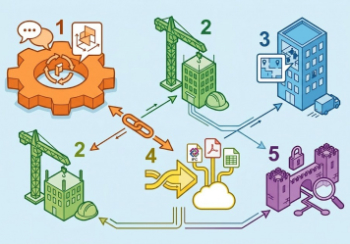
A user gives their low down.

A UK training and membership provider for mould remediation professionals.
Building Safety recap April, 2026

A short and longer run-through of the month, with links to further information and sources.

CIAT May 2026 briefing.

Independent NSI and BAFE study exploring how organisations are changing the way they buy fire safety services.

From medieval scribes to modern word art.

ECA welcomes crackdown on late payment and push for clean energy, whilst CIOB seek fixed cladding removal timeframes.
Cyber Security in the Built Environment

Protecting projects, data, and digital assets: A CIOB Academy TIS.
Managing competence in the built environment

ITFG publishes new industry guide on how to meet the ICC principles.

The UK's campaign to reduce noise pollution: Mythbusting, articles and topic guides.