





Neighbourhood development order
Neighbourhood development orders are defined by the National Planning Policy Framework (NPPF) as orders '... made by a local planning authority (under the Town and Country Planning Act 1990) through which Parish Councils and neighbourhood forums can grant planning permission for a specific development proposal or classes of development.'
The Localism Act, which was introduced in 2011, allows town and parish councils and 'neighbourhood forums’ to have some control over how their neighbourhood develops.
The Act gives neighbourhood forums and town and parish councils two main powers:
- They can create 'neighbourhood development plans’ which establish general planning policies for a neighbourhood.
- They can use 'neighbourhood development orders' to permit certain developments or certain classes of development in a neighbourhood without the need for a planning application.
Neighbourhood development plans and neighbourhood development orders may be linked as part of a coherent strategy that creates an overall plan and then permits specific developments within that plan.
Neighbourhood development orders may not permit, minerals and waste development, types of development that always need an environmental impact assessment, or nationally significant infrastructure projects.
The local planning authority must agree who should be the neighbourhood forum for an area, and once a plan or order has been developed, will verify that the proper consultation has been carried out and that an environmental impact assessment is not required. An independent person then carries out checks to ensure that:
- They are consistent with national planning policy.
- They are consistent with the development plan for the local area.
- They comply with EU and human rights requirements.
- They would not damage local heritage assets.
Neighbourhood development plans or orders can then face a neighbourhood referendum. If there is a majority of support in the referendum, the local planning authority must bring the plans or orders into force.
The Localism Act also allows community organisations to use community right to build orders to allow small-scale development on a specific site. Benefits resulting from such developments stay within the community, and could be used for example to create or maintain local facilities.
Community right to build orders are a type of neighbourhood development order.
Any local community organisation is able to create a community right to build order, provided that the organisation exists to further the economic, environmental and social well-being of the area and that at least half of the organisation’s members live in the area.
As with neighbourhood development orders, community right to build orders are checked by an independent person and are subject to a community referendum.
Community right to build orders are not permitted if the development would need an environmental impact assessment or if they would be on a designated site (such as a site of special scientific interest).
See the article on the Community Right to Build for more information.
[edit] Related articles on Designing Buildings
- Community right to bid.
- Community right to build.
- Development proposal DP.
- Local development order.
- Local resident.
- Localism Act.
- National Planning Policy Framework.
- Neighbourhood planning.
- Planning appeal.
- Planning objection.
- Planning permission.
- Sustainability.
[edit] External references
- Planning Help: Community Right to build orders.
- Planning Help: Neighbourhood development orders.
- Planning Portal: Neighbourhood planning.
- My Community Rights: Understanding the community right to build.
- Communities and Local Government: Neighbourhood planning.
Featured articles and news
Costs and insolvencies mount for SMEs, despite growth

Construction sector under insolvency and wage bill pressure in part linked to National Insurance, says report.
The place for vitrified clay pipes in modern infrastructure

Why vitrified clay pipes are reclaiming their role in built projects.

Research by construction PR consultancy LMC published.
Roles and responsibilities of domestic clients

ACA Safety in Construction guide for domestic clients.
Fire door compliance in UK commercial buildings

Architect and manufacturer gives their low down.
Plumbing and heating for sustainability in new properties

Technical Engineer runs through changes in regulations, innovations in materials, and product systems.
Awareness of the Carbon Border Adjustment Mechanism
What CBAM is and what to do about it.
The new towns and strategic environmental assessments
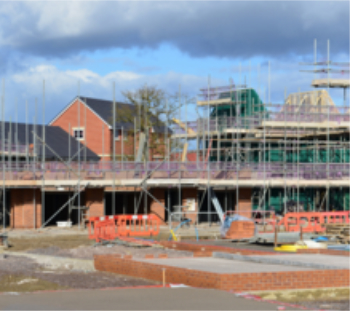
12 locations of the New Towns Taskforce reduced to 7 within the new towns draft programme and open consultation.
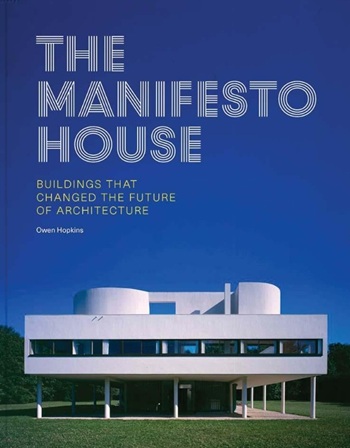
Buildings that changed the future of architecture. Book review.
The Sustainability Pathfinder© Handbook
Built environment agency launches free Pathfinder© tool to help businesses progress sustainability strategies.

Government outcome to the late payment consultation, ECA reacts.
IHBC 2025 Gus Astley Student Award winners

Work on the role of hewing in UK historic conservation a win for Jack Parker of Oxford Brookes University.
Future Homes Building Standards and plug-in solar

Parts F and L amendments, the availability of solar panels and industry responses.
How later living housing can help solve the housing crisis

Unlocking homes, unlocking lives.
Preparing safety case reports for HRBs under the BSA
A new practical guide to preparing structural inputs for safety cases and safety case reports published by IStructE.
Male construction workers and prostate cancer

CIOB and Prostate Cancer UK encourage awareness of prostate cancer risks, and what to do about it.