







Locating ventilation inlets to reduce ingress of external pollutants into buildings: A new methodology IP 9 14
BRE (Building Research Establishment) is an independent, research-based consultancy, testing and training organisation, operating in the built environment and associated industries.
Locating ventilation inlets to reduce ingress of external pollutants into buildings: A new methodology (IP 9/14), was written by Hong Cheng, Vina Kukadia and David Hall. It was published by BRE on 27 June 2014.
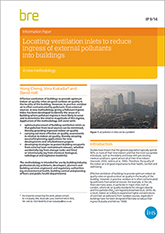
Studies have shown that the general population spends 90% or more of their time indoors, and the most susceptible individuals, such as the elderly and those with pre-existing medical conditions, spend almost all their time indoors. This means that the quality of indoor air is of great importance to health, comfort and wellbeing.
Effective ventilation to provide optimum indoor air quality relies on good outdoor air quality. In practice however, outdoor air may be contaminated by pollutants. A new methodology has been developed, using a Pollutant Ingress Index, to identify areas of a building where pollutant ingress is most likely and to determine the relative magnitude of this ingress.
This methodology will assist with:
- Placement of ventilation inlets so that pollution can be minimised.
- Carrying out more effective indoor air quality assessments to ensure successful planning applications.
- Developing strategies to protect building occupants from toxic contaminants releases, whether accidentally (such as from storage tanks and fires) or intentionally (such as from chemical, biological, radiological or explosive incidents).
The methodology is intended for use by professionals such; as architects, developers, planners and building services engineers, as well as regulatory authorities such as; environmental health, building control, planning officers and public health departments.
The contents of the 16-page Information Paper are:
- Introduction.
- Earlier BRE studies.
- Impact of outdoor pollutants on indoor environments.
- Methodology for determining the Pollutant Ingress Index.
- Wind tunnel studies.
- Application of the new methodology.
- Practical application of the Pollutant Ingress Index.
- Conclusions.
- References.
[edit] Find out more
[edit] Related articles on Designing Buildings Wiki
- Air change rates.
- Air quality.
- BRE articles on Designing Buildings Wiki.
- BRE Buzz articles on Designing Buildings Wiki.
- BRE Buzz.
- BREEAM Indoor air quality plan.
- BREEAM Indoor air quality Ventilation.
- BREEAM Indoor pollutants VOCs.
- Building Research Establishment.
- Cross ventilation.
- Displacement ventilation.
- Domestic ventilation systems performance.
- HVAC.
- Indoor air quality,
- Indoor air velocity.
- Mechanical ventilation.
- Natural ventilation.
- Sick building syndrome.
- Stack effect.
- Ventilation.
- Wellbeing.
- Whole building ventilation.
Featured articles and news
Latest Build UK Building Safety Regime explainer published

Key elements in one short, now updated document.
UKGBC launch the UK Climate Resilience Roadmap
First guidance of its kind on direct climate impacts for the built environment and how it can adapt.
CLC Health, Safety and Wellbeing Strategy 2025

Launched by the Minister for Industry to look at fatalities on site, improving mental health and other issues.
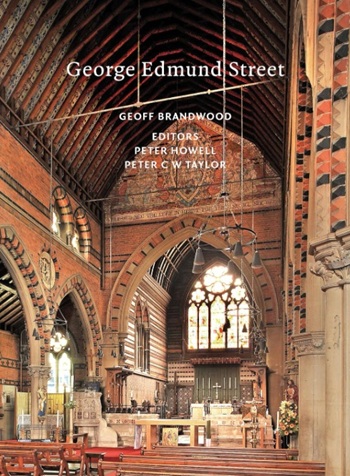
One of the most impressive Victorian architects. Book review.
Common Assessment Standard now with building safety

New CAS update now includes mandatory building safety questions.
RTPI leader to become new CIOB Chief Executive Officer

Dr Victoria Hills MRTPI, FICE to take over after Caroline Gumble’s departure.
Social and affordable housing, a long term plan for delivery
The “Delivering a Decade of Renewal for Social and Affordable Housing” strategy sets out future path.
A change to adoptive architecture
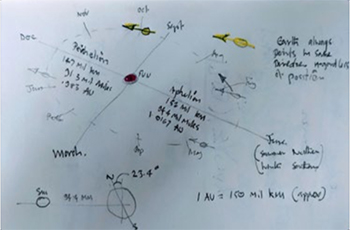
Effects of global weather warming on architectural detailing, material choice and human interaction.

The proposed publicly owned and backed subsidiary of Homes England, to facilitate new homes.

How big is the problem and what can we do to mitigate the effects?
Overheating guidance and tools for building designers

A number of cool guides to help with the heat.
The UK's Modern Industrial Strategy: A 10 year plan
Previous consultation criticism, current key elements and general support with some persisting reservations.
Building Safety Regulator reforms

New roles, new staff and a new fast track service pave the way for a single construction regulator.
Architectural Technologist CPDs and Communications
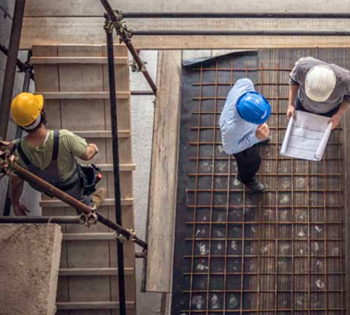
CIAT CPD… and how you can do it!
Cooling centres and cool spaces
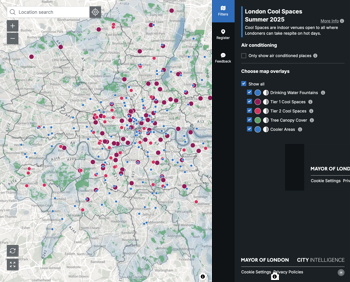
Managing extreme heat in cities by directing the public to places for heat stress relief and water sources.
Winter gardens: A brief history and warm variations
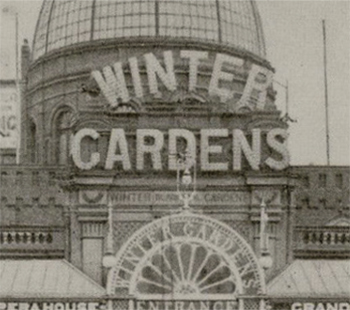
Extending the season with glass in different forms and terms.
Restoring Great Yarmouth's Winter Gardens

Transforming one of the least sustainable constructions imaginable.