






Kitchen designs with Moroccan tiles
Moroccan kitchen tiles can offer a perfect blend of rich history, intricate patterns, and vibrant colours, transforming a kitchen into a cultural masterpiece. Known for their bold aesthetics, these tiles bring an exotic yet timeless charm to any space, making them ideal for kitchens that crave character, elegance, and warmth.
Contents |
[edit] Aesthetic Appeal
Moroccan tiles are synonymous with visually stunning geometric designs and intricate details. Whether you are aiming for a traditional or contemporary style, the Moroccan tile patterns by Future Stiles adapt seamlessly to any kitchen environment. Each tile is a work of art, featuring complex motifs such as stars, crosses, and floral patterns, often rendered in bold colours like cobalt blue, terracotta, emerald green, and sunshine yellow. These tiles can be used for backslashes, counter tops, or flooring, creating a captivating focal point that adds vibrancy and elegance to your kitchen.
[edit] Durability and Practicality
Moroccan tiles by Future Stiles are not just visually appealing but also highly durable. Made from high-quality materials, these tiles are resistant to heat, moisture, and stains, making them an excellent choice for kitchen areas. Their glazed finish ensures they are easy to clean and maintain, helping you keep your kitchen looking fresh and beautiful without the hassle of extensive upkeep. The tiles are also scratch-resistant, perfect for areas with high foot traffic or regular use.
[edit] Customisation and Versatility
Customisation can be key. Moroccan kitchen tiles come in various sizes, shapes, and finishes, allowing you to tailor your kitchen design to your specific taste. Whether you prefer a mosaic arrangement or a larger tile format, the collection offers endless possibilities to mix and match patterns, colours, and textures. You can opt for a full Moroccan backslash, where intricate designs create a statement, or add subtle highlights through feature walls or tiled counter tops. The versatility of these tiles allows you to play with designs and create a unique, personalised kitchen space.
[edit] Cultural Essence and Inspiration
Moroccan tiles are deeply rooted in the country’s cultural heritage, drawing inspiration from Islamic art, Andalusian architecture, and Berber craftsmanship. By incorporating these tiles into your kitchen, you’re not just choosing a decorative element; you’re bringing a piece of history and tradition into your home. The geometric patterns often represent spiritual or philosophical ideas, while the vivid colours symbolise elements of nature. This infusion of meaning adds depth and cultural richness to your kitchen, making it more than just a functional space—it becomes a work of art.
[edit] Eco-Friendly Choice
In line with modern sustainability trends Moroccan kitchen tiles can be eco-friendly, manufactured using sustainable practices. Minimising environmental impact, ensuring that beauty and style in tiles comes without a heavy carbon footprint.
[edit] Conclusion
Moroccan kitchen tiles by Future Stiles offer a stunning, durable, and eco-conscious solution for those looking to elevate their kitchen design. With intricate patterns, vibrant colours, and practical functionality, these tiles bring the allure of Moroccan craftsmanship into your culinary space. Whether you want to create a striking statement or subtle accent, these tiles ensure that your kitchen is a place where tradition, beauty, and modern living harmoniously come together.
[edit] Related articles on Designing Buildings
Featured articles
Check out some of the best features and news from Designing Buildings as well as key stories from around the web.
Your views needed - a strategy for the professions, trades and occupations.

Confronting competency, codes, capacity and costs.

The hidden risk in modern construction supply chains.
Construction Management, 10 June
24 months to 14: CITB launches accelerated apprenticeships.
Bridging the gap between clients and contractors

Concerns remain around contractor quality, capability, and delivery.
Construction Management, 10 June.
Heat pumps beat boilers in new home tests.
Building Safety Act implementation in Wales

CIAT to host industry panel on 26 June.
New and updated CLC building safety guidance.
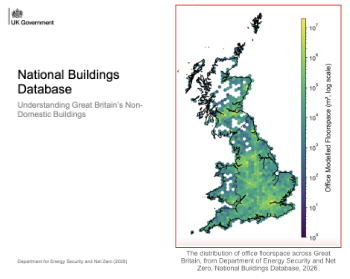
New UK National Buildings Database.
Building Safety Wiki Interviews

Chief executive of the British Woodworking Federation.
Planning condition discharge in England and Wales

A brief explanation from a building compliance expert, with further links.